
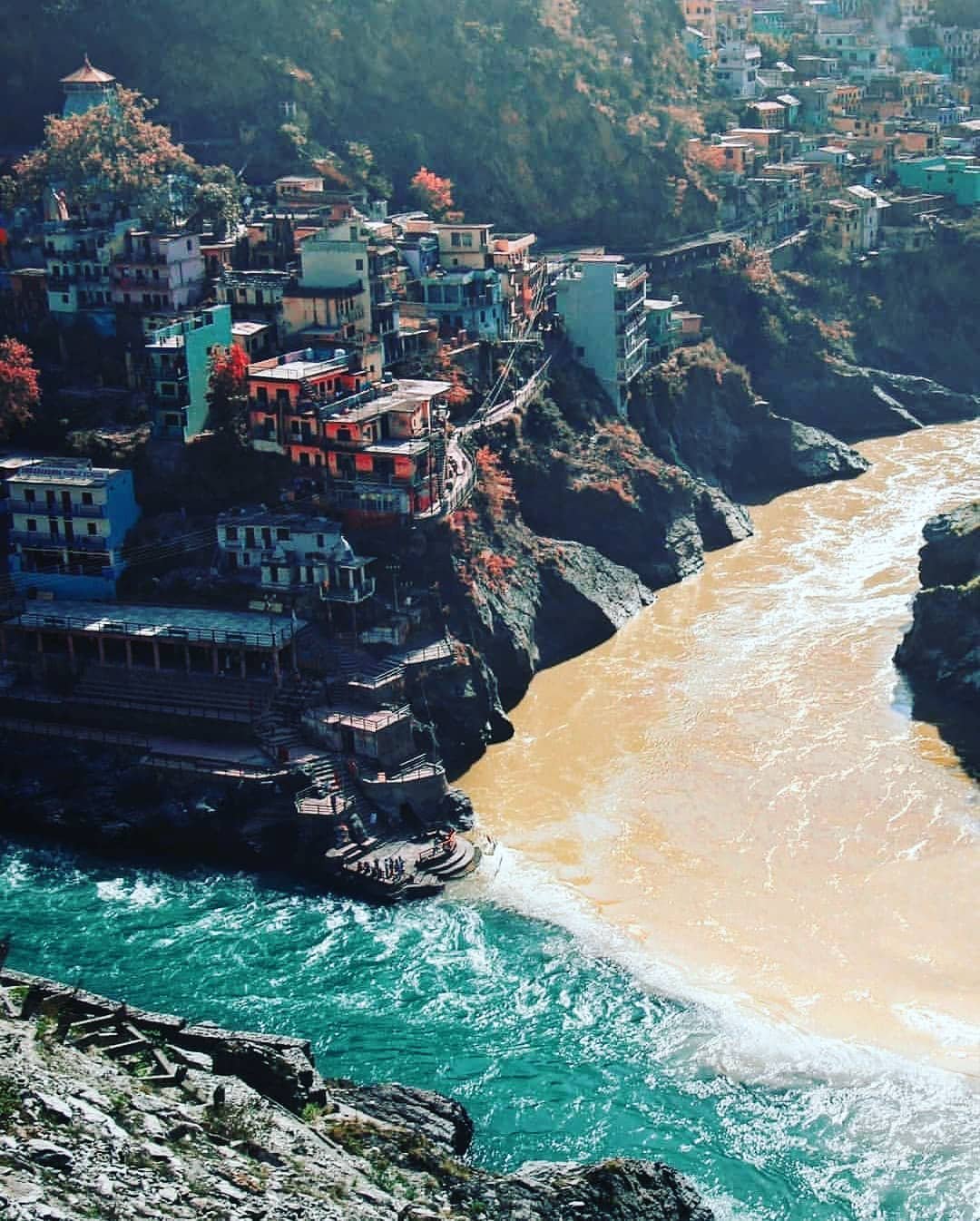
Heavy monsoon rain has pushed the latest updates about the Alaknanda River having crossed the danger mark to the forefront of Uttarakhand’s disaster response. Rising water levels, flash floods and landslides have disrupted daily life in several districts. As a result, authorities have issued alerts and monitor vulnerable areas around the clock.
Officials have urged residents living along riverbanks to remain vigilant as intense rainfall continues across parts of the Himalayan state. In light of the Alaknanda River crossing the danger mark, rescue teams have also been deployed. These teams are sent to locations affected by flooding and road blockages.
Alaknanda River above The Danger Mark after heavy rainfall
The Alaknanda River rose above the danger level following continuous rainfall across its upper catchment. The increase in water discharge has heightened concerns in districts including Rudraprayag and Chamoli. In addition, nearby regions where rivers respond quickly to intense mountain rainfall are also concerned now. This is because the Alaknanda has been reported to cross the danger mark.
Authorities have advised people to avoid riverbanks and unnecessary travel in vulnerable areas. Several stretches of mountain roads have experienced disruptions because of landslides and falling debris. This has affected transport and essential supplies—a direct outcome after the Alaknanda River crossed its safe mark.
The India Meteorological Department (IMD) has continued to warn of heavy to very heavy rainfall in parts of Uttarakhand. This increases the possibility of flash floods and slope failures. In particular, this is a serious issue where rivers such as the Alaknanda River cross the safe mark.
Rescue teams remain on high alert
State disaster response agencies, the National Disaster Response Force and local administrations have been placed on standby. They are ready to respond as the Alaknanda River crosses the safe mark in some regions. This is necessary as weather conditions remain unstable.
Officials are monitoring river gauges and inspecting bridges. In this context, teams are coordinating with district authorities. This ensures timely evacuation wherever the Alaknanda River has crossed the safe mark.
Emergency shelters are also being kept ready in vulnerable locations. Pilgrimage routes have received particular attention because thousands of devotees travel through the region during the monsoon season. Especially in areas where rivers like the Alaknanda can cross the danger mark rapidly, extra care is being taken.
Authorities have advised pilgrims to follow official advisories before beginning their journeys, especially considering reports of the Alaknanda River crossing its danger mark.
Why Uttarakhand faces repeated flood risks
The Alaknanda River crossing the danger mark situation highlights the geographical challenges faced by Uttarakhand every monsoon.
The state’s steep mountains, narrow valleys and fast-flowing rivers make it highly vulnerable to flash floods. Heavy rainfall over short periods can rapidly increase river discharge. Sometimes this leads rivers like the Alaknanda to cross the danger mark. In addition, saturated slopes become prone to landslides.
Climate scientists have also warned that changing rainfall patterns are increasing the frequency of extreme precipitation events in parts of the Himalayas. Although no single weather event can be attributed solely to climate change, researchers say warmer atmospheric conditions can increase the amount of moisture available for intense rainfall. This, in turn, leads to scenarios where the Alaknanda River crosses the safety mark.
Rapid infrastructure development in fragile mountain regions has also become part of the wider debate. Experts continue to discuss how road construction, hydropower projects and urban expansion should be balanced with environmental protection and disaster resilience. In particular, this is important in the context of rivers such as the Alaknanda River crossing the safe mark with increasing frequency.
Impact on transport and daily life
Flooding and landslides have disrupted road connectivity across several parts of Uttarakhand, particularly in response to incidents like the Alaknanda River crossing the safe mark.
National highways and local roads have experienced temporary closures after rocks and debris blocked key routes. Public transport services have been affected. Meanwhile, travellers have been advised to check road conditions before starting their journeys. This is especially true near rivers that have recently crossed the danger mark, such as the Alaknanda.
Local businesses have also felt the impact as movement of goods slowed in some districts—another challenge when the Alaknanda River crosses the danger mark. Schools and government offices in affected areas remain prepared to respond if weather conditions deteriorate further.
Power supply and communication networks have faced intermittent disruptions in some locations. However, restoration teams have been working to minimise outages caused by adverse events like the Alaknanda River crossing its danger mark.
Monsoon challenges extend beyond Uttarakhand
Heavy rainfall has affected several northern and central Indian states during this year’s monsoon season, but Uttarakhand grabs attention as the Alaknanda River crosses the danger mark. Meanwhile, meteorological agencies continue to monitor weather systems capable of producing intense rainfall across the Himalayan region.
Rivers originating in the mountains often respond rapidly because of their steep gradients; when the Alaknanda River crosses the danger mark, it highlights the importance of early warning systems.
Disaster management experts say timely forecasts, community awareness and coordinated emergency responses remain the most effective tools for reducing the impact of floods like those associated with the Alaknanda River crossing the danger mark.
What happens next?
The IMD has indicated that wet conditions may continue over parts of Uttarakhand in the coming days. Therefore, river levels will remain under close observation, especially since the Alaknanda River has crossed the danger mark this season. Authorities have appealed to residents and tourists to rely on official weather updates rather than unverified social media posts.
The coming days will determine whether rainfall eases enough for water levels to recede or whether additional rescue operations become necessary in areas where the Alaknanda River crosses the danger mark. For now, emergency teams remain on alert as Uttarakhand navigates another challenging phase of the monsoon. Public safety remains the top priority.

Curated news reports, in-depth analysis, and special features by India’s Opinion editorial team.