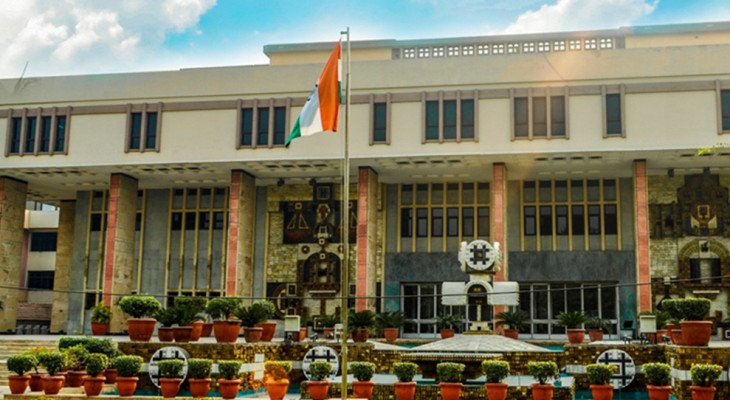
Delhi trade associations approached the Delhi High Court on Tuesday seeking urgent relief against aggressive police restrictions. Business owners claimed devastating financial losses exceeding Rs 2,000 crore during recent weekend demonstrations. The legal plea followed three days of heavy security clampdowns across central shopping hubs.
The high court agreed to an urgent hearing of petitions filed by merchant collectives and bar associations. According to court filings reported by The Indian Express, business federations challenged sudden metro station closures and extensive roadblocks. The curbs coincided with mass protests organized by the Cockroach Janta Party (CJP) and the INDIA bloc. Therefore, commercial groups demanded judicial intervention to prevent repetitive economic disruption.
Festive Footfalls Collapse Across Central Commercial Corridors
The sweeping transit shutdown paralyzed key retail markets right at the start of the peak festive shopping season. Police sealed arterial entry roads leading into Connaught Place, Janpath, and Khan Market. Furthermore, the Delhi Metro Rail Corporation shut down gates at dozens of central transit stations, including Rajiv Chowk.
Customer footfall collapsed by nearly 90 percent across central showrooms, restaurants, and retail bazaars. As highlighted by ANI News, shopkeepers struggled with piled-up seasonal inventory and cancelled service bookings. Perishable food stocks spoiled as delivery vans could not cross police barricades. Consequently, trade representatives argued that disproportionate administrative measures punished innocent shop owners and daily wage workers.
Petitioners Demand Strict Standard Operating Guidelines
The joint petition urges the court to frame clear Standard Operating Procedures (SOPs) for managing urban demonstrations. Merchants argued that security agencies cannot impose blanket bans on civilian movement without prior public notice.
The plea noted that the sudden closure of metro stations violated citizens’ right to travel freely. In addition, petitioners requested the court to mandate prior consultations between trade bodies, municipal authorities, and police planners. Traders emphasized that administrative agencies must regulate protest crowds without choking legitimate retail businesses. As a result, commercial establishments sought institutional safeguards against future unannounced lockdowns.
Protecting Commercial Rights Alongside Civic Protests
Legal counsels representing the traders invoked fundamental economic protections under Article 19(1)(g) of the Constitution. The petition stressed that the right to livelihood deserves equal constitutional protection alongside the right to assemble.
Meanwhile, police authorities defended their weekend deployment, asserting that extensive barricades averted severe law-and-order incidents. On the other hand, trade leaders maintained that authorities can maintain public safety through smarter perimeter management. Moreover, business associations welcomed the government’s recent decision to shift future protests away from Jantar Mantar. The high court will consider the traders’ petition later this week to determine administrative accountability.

Curated news reports, in-depth analysis, and special features by India’s Opinion editorial team.