
India’s retail inflation accelerated sharply to 5.54 percent in September, according to official data released on Monday. The headline figure rose from 4.83 percent recorded in August. The Ministry of Statistics and Programme Implementation released the Consumer Price Index (CPI) numbers in New Delhi.
The latest reading marks the highest inflation level recorded this year under the updated 2024 base series. Furthermore, retail inflation has now exceeded the Reserve Bank of India’s (RBI) medium-term target of 4 percent for four consecutive months. As reported by The Indian Express, the sharp price rise validates the central bank’s recent hawkish stance. Therefore, financial analysts expect interest rates to remain elevated across commercial banks.
Soaring Vegetable and Kitchen Bills Drive Food Surge
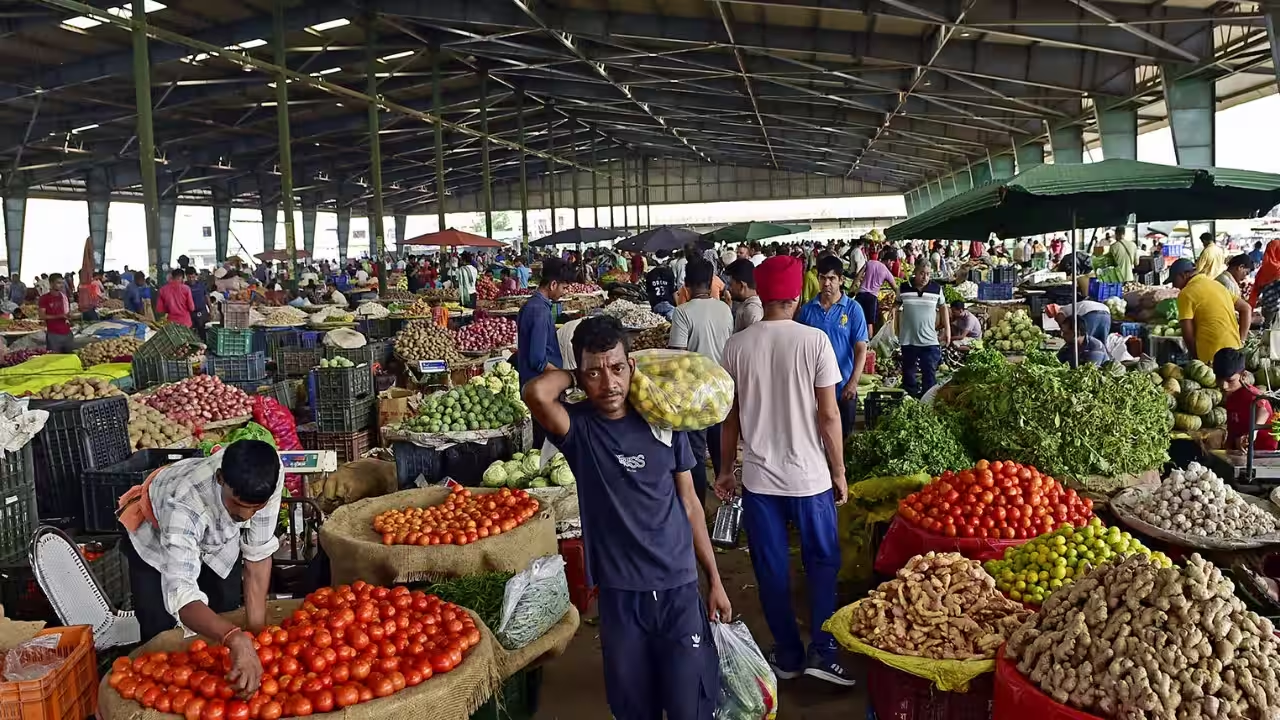
A steep increase in food costs drove the nationwide inflation spike during the festival month. Food inflation jumped to 7.74 percent in September, up from 5.66 percent in August. Essential kitchen staples like vegetables, edible oils, and pulses recorded heavy price increases.
Uneven monsoon rainfall disrupted seasonal vegetable harvests in major agricultural belts. Consequently, wholesale mandi arrivals dropped significantly, pushing up retail market prices across metropolitan hubs. Detailed data analysis by The Economic Times revealed that over 37 percent of consumer basket items now trade above the 4 percent mark. Moreover, household budgets faced immediate pressure from costlier tomatoes, onions, and cooking oils.
Rural Households Bear the Brunt of Price Spikes
The inflation data revealed a noticeable divide between village economies and urban centers. Rural consumer inflation jumped to 6.08 percent in September, breaching the RBI’s upper tolerance ceiling of 6 percent. In contrast, urban retail inflation stood lower at 4.88 percent during the same period.
Higher transportation costs and localized supply bottlenecks hit rural markets harder. Meanwhile, agricultural laborers faced reduced purchasing power as daily food expenses consumed larger shares of their earnings. On the other hand, urban consumers benefited slightly from better logistics and supermarket discount networks. In addition, state governments increased market inspections to curb local price gouging in rural districts.
External Headwinds Deepen Policy Dilemma for RBI
The domestic price surge coincides with worsening global financial headwinds. International crude oil prices crossed $100 per barrel following military strikes in the Middle East. Higher fuel rates directly inflate domestic freight costs and manufacturing inputs.
Simultaneously, the Indian rupee fell close to 97 against the US dollar, making critical imports significantly costlier. As highlighted by Investing.com, costlier imports imported fresh price pressures into the domestic market. Therefore, the combination of expensive crude and a weaker rupee complicates the national economic outlook.
Markets Brace for Further Interest Rate Increases
The sharp price surge arrived days after the Monetary Policy Committee unexpectedly raised the repo rate to 5.50 percent. Central bank officials warned that inflationary pressures were spreading across broader consumer goods.
Economists believe the September data strengthens the argument for additional policy tightening. If consumer prices remain sticky near the 6 percent upper band, the central bank may hike rates again in December. Consequently, commercial banks could raise home loan and vehicle loan interest rates soon. While business leaders worry about slowing credit growth, policymakers maintain that price stability remains their topmost economic priority.

Curated news reports, in-depth analysis, and special features by India’s Opinion editorial team.