
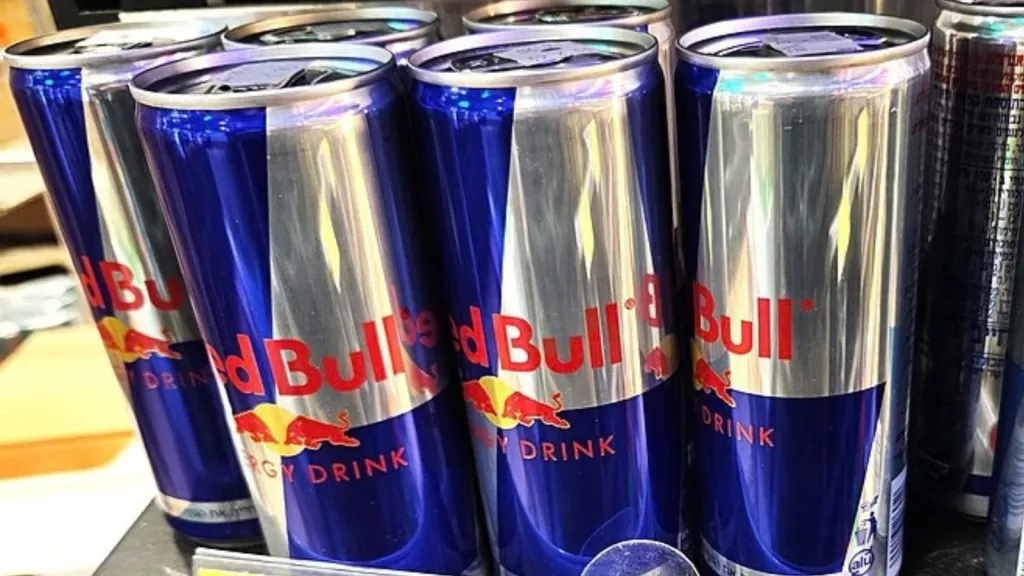
Global beverage giant Red Bull has moved the Delhi High Court to challenge a regulatory order issued by the Food Safety and Standards Authority of India (FSSAI). The regulator’s directive prohibits companies from using the popular term “energy drink” on product packaging and promotional materials.
The food safety watchdog instructed beverage manufacturers to reclassify high-caffeine formulations strictly as “caffeinated beverages.” Red Bull argued in its petition that the blanket prohibition was issued arbitrarily. The company claimed it was done without following established procedural norms, according to a report by The Indian Express.
FSSAI Push to Regulate High-Caffeine Products
The FSSAI’s decision stems from consumer health and transparency concerns regarding caffeine consumption. The authority contends that the phrase “energy drink” is misleading to the public.
Regulators argue that caffeine acts merely as a central nervous system stimulant rather than a source of physiological nutrition. They say it is also not a source of sustained metabolic energy. Under the revised regulatory framework, brands including Red Bull, Monster, and PepsiCo’s Sting were asked to overhaul their packaging labels within a defined transition window. This was detailed by Livemint.
The regulator aims to prevent young consumers and fitness enthusiasts from conflating stimulant drinks with rehydrating sports beverages.
Red Bull Alleges Breach of Natural Justice
In its petition before the high court, Red Bull contended that the regulatory body violated principles of natural justice. Counsel for the company submitted that the regulator failed to issue a prior show-cause notice before imposing the label ban.
Red Bull pointed out that the term “energy drink” is recognized across international food safety codices and global jurisdictions. The beverage maker submitted that an abrupt ban disrupts supply chain logistics and erodes established brand equity.
The bench questioned whether the FSSAI provided affected stakeholders with an effective opportunity to present scientific and commercial representations before enforcing the measure. This was reported by The Hindu.
High Court Seeks Regulatory Clarity
During preliminary hearings, the Delhi High Court examined whether standard administrative safeguards were adhered to before the directive went into effect.
Legal representatives for Red Bull argued that the product has complied with Indian safety standards on permissible caffeine limits and ingredient disclosures for years. They said forcing a sudden label change without statutory consultations creates unfair market disruptions.
The court has asked the FSSAI to explain the procedural steps taken before passing the order. It has listed the dispute for continued examination, according to The Economic Times.
Wider Impact on India’s Fast-Growing Beverage Sector
The court’s eventual verdict will have significant consequences for the broader consumer goods industry in India.
The domestic caffeinated beverage category has expanded rapidly in recent years, driven by aggressive distribution and strong demand among urban youth. If the FSSAI order is upheld, multiple domestic and multinational manufacturers will need to redesign inventory packaging. They will also need to adjust marketing campaigns across the country.
A ruling in favor of Red Bull, conversely, could compel food regulators to conduct structured stakeholder consultations before reclassifying established retail categories.

Curated news reports, in-depth analysis, and special features by India’s Opinion editorial team.