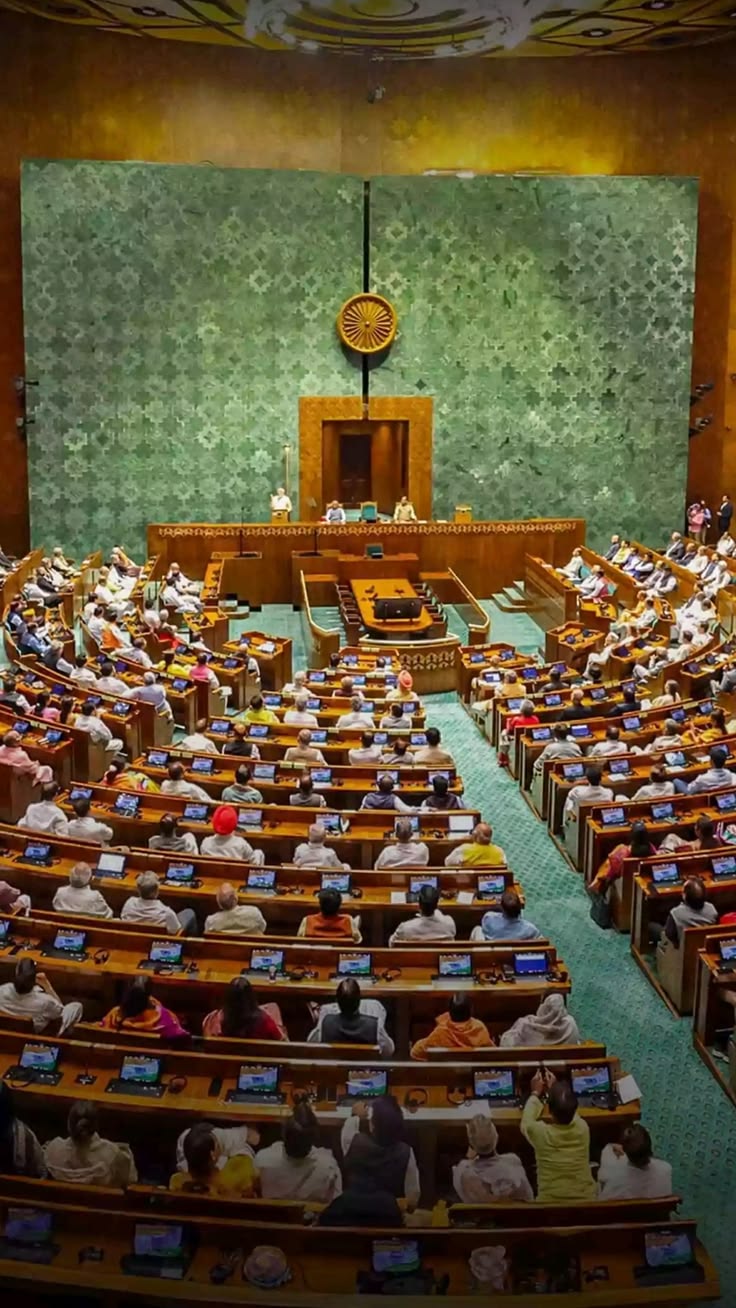
India’s Parliament is set to begin its Monsoon Session on July 20, marking the start of an important phase in the country’s legislative calendar. The session will continue until August 13, during which Members of Parliament from both the Lok Sabha and the Rajya Sabha will gather to discuss important national issues, introduce new legislation, and review the government’s policies. The schedule was officially approved by the President on the recommendation of the Central Government.
The upcoming session is expected to witness extensive discussions on matters that directly affect millions of Indians. Economic growth, employment opportunities, inflation, agriculture, healthcare, education, infrastructure development, national security, and digital governance are likely to dominate parliamentary proceedings. With several important policy decisions awaiting legislative approval, both the ruling alliance and the opposition are preparing for weeks of detailed debate and discussion.
The government is expected to introduce and push forward several legislative proposals aimed at improving governance and supporting long-term national development. Along with new bills, ministers are likely to present updates on ongoing welfare schemes, infrastructure projects, and economic reforms. Parliament will also review the implementation of various government programmes launched over the past year and discuss measures to improve their effectiveness.
At the same time, opposition parties are expected to raise several issues concerning governance and public welfare. Members are likely to seek explanations from the government regarding economic challenges, rising prices, employment generation, farmers’ concerns, and other matters affecting citizens. Parliamentary debates provide an opportunity for elected representatives from different political parties to express their views and hold the government accountable through questions, discussions, and committee reports.
Apart from national policy matters, lawmakers are expected to highlight issues affecting their own constituencies. These may include demands for better roads, railway connectivity, healthcare facilities, schools, irrigation projects, drinking water supply, housing, and industrial development. Such discussions often influence future budget allocations and government planning for different regions across the country.
Foreign policy and India’s growing international role may also receive significant attention during the session. As India continues to strengthen partnerships with countries around the world, Members of Parliament may discuss trade agreements, regional security, diplomatic initiatives, and international cooperation. These conversations are expected to reflect India’s expanding role in global affairs and its efforts to strengthen economic and strategic relationships.
Economic reforms are likely to remain another major focus. Discussions may cover manufacturing growth, investments, startup development, taxation, exports, digital innovation, and job creation. Experts believe that legislative decisions taken during the session could influence India’s economic direction in the coming months and provide greater clarity for businesses and investors.
The Monsoon Session also serves as an important platform for reviewing the functioning of various ministries. Through Question Hour and other parliamentary procedures, MPs will have the opportunity to seek detailed responses from ministers regarding government programmes and administrative performance. These discussions are considered an essential part of India’s democratic system, ensuring transparency and accountability.
Political analysts believe this session will be closely watched because it comes at a time when several important policy matters are under discussion. Decisions taken during the coming weeks could shape governance, influence future reforms, and affect the country’s development priorities. Citizens, businesses, policy experts, and political observers will be following the proceedings closely as Parliament debates issues that have a direct impact on India’s future.

Curated news reports, in-depth analysis, and special features by India’s Opinion editorial team.