
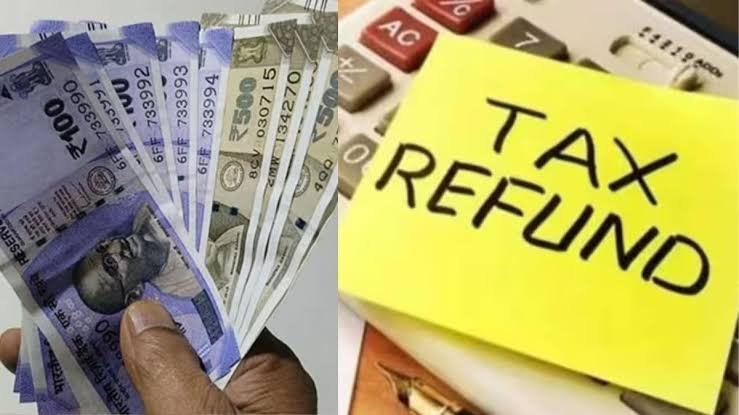
Millions of taxpayers across India are eagerly awaiting their income tax refunds after filing their returns for the current assessment year. While the Income Tax Department usually processes simple returns within four to five weeks, millions of filers report significant delays.
The tax department has deployed advanced automated risk analysis tools to cross-verify every return before authorizing payout credits. Consequently, even minor discrepancies can pause your refund processing at the Centralised Processing Centre (CPC).
Data Discrepancies Between ITR, AIS, and Form 26AS
Mismatch in financial data stands as the primary cause of refund holds this year. Automated systems match your declared income directly against the Annual Information Statement (AIS) and Form 26AS.
If you filed your return before interest income, dividend payouts, or capital gains updated completely in Form 26AS, the system flags the variance. Furthermore, unverified Tax Deducted at Source (TDS) claims from employers or financial institutions will trigger secondary automated compliance reviews.
Unvalidated Bank Accounts and Pending E-Verification
Your return cannot progress to the refund issuance stage if you forget to complete mandatory e-verification. Taxpayers must verify their filed return within 30 days via Aadhaar OTP, net banking, or Electronic Verification Code (EVC).
Additionally, the tax portal requires a pre-validated and active bank account linked with your PAN. An inactive account, incorrect IFSC code, or name mismatch between bank records and PAN will cause the credit transaction to fail.
Outstanding Demands and High-Value Scrutiny
Under Section 245 of the Income Tax Act, tax authorities possess statutory rights to adjust current refunds against unpaid tax demands from previous years. The system holds your payout until you either accept the demand or submit an official disagreement response online.
Furthermore, returns with large refund claims or significant deduction adjustments undergo mandatory manual review. AI-based compliance filters route complex claims for detailed verification to prevent fraudulent tax refund abuse.
What Taxpayers Should Do Next
Taxpayers can track their live refund status by logging into the official e-Filing portal under the ‘View Filed Returns’ section. If your refund failed due to banking errors, update your account details and raise a ‘Refund Reissue Request’ on the portal.
However, if the system issued a compliance notice regarding AIS mismatches or old tax demands, submit a prompt response online to resume processing.

Curated news reports, in-depth analysis, and special features by India’s Opinion editorial team.