
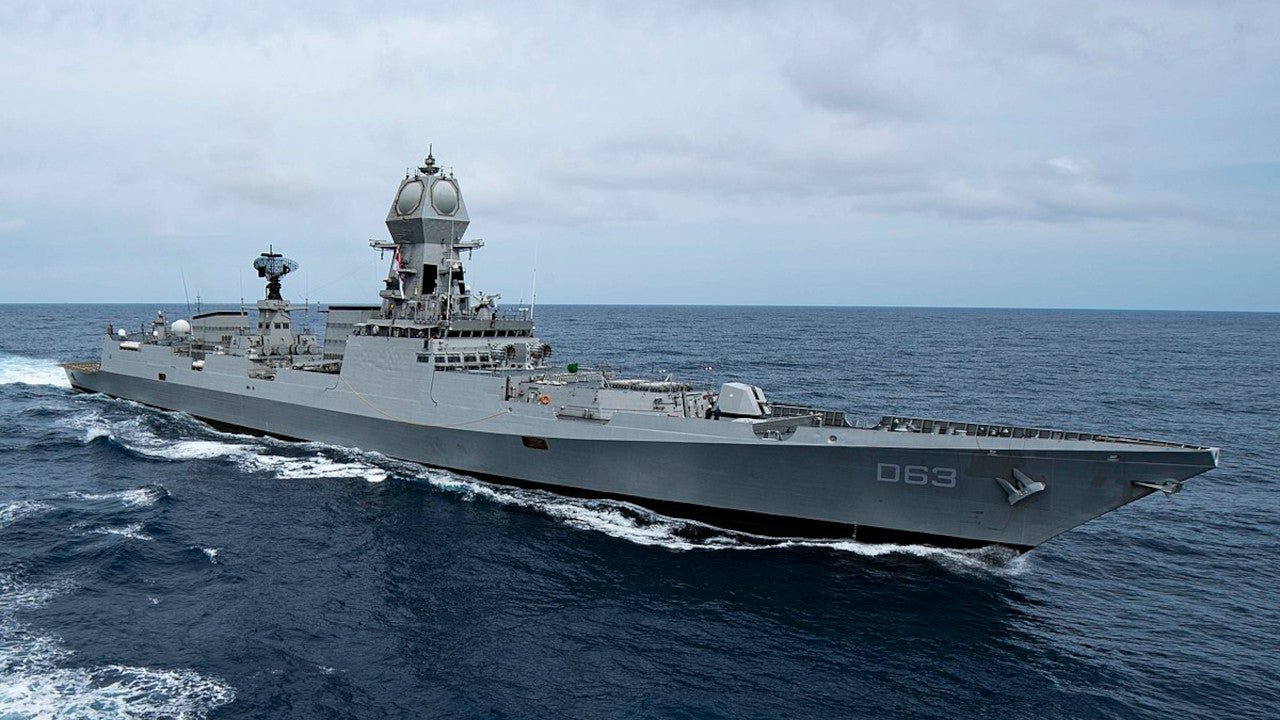
Indian Navy joins search as missing fishermen remain untraced
The search for missing fishermen in Kerala widened on August 9 after the Indian Navy joined rescue teams looking for three men who disappeared following separate boat mishaps off Thiruvananthapuram and Kollam.
The Navy deployed INS Kalpeni for the operation. The vessel sailed from Kochi on Saturday night and reached the Neendakara area on Sunday morning, according to a defence spokesperson
The latest deployment adds naval assets to an operation already involving local authorities and other maritime agencies. Search teams are working across areas including Vizhinjam, Muthalapozhi and Neendakara, where the incidents occurred.
For the families of the missing fishermen in Kerala, however, the arrival of additional resources comes after days of uncertainty. One of the searches at Muthalapozhi had entered its ninth day by August 8, according to local reporting.
What happened to the missing fishermen in Kerala?
Officials linked the current search to separate boat mishaps rather than a single maritime accident. The incidents occurred in coastal areas of Thiruvananthapuram and Kollam districts.
Authorities have continued searches around Vizhinjam and Muthalapozhi in Thiruvananthapuram, while teams have also operated near Neendakara in Kollam.The circumstances differ from one location to another.
That distinction matters because investigators and rescue agencies must establish separate timelines, sea conditions and possible routes for each missing person.
Search operations have also faced the basic difficulty of maritime rescue: the sea can quickly move a person or debris away from the location where an accident occurred.In a separate recent case at Vizhinjam, three fishermen who disappeared after leaving for fishing were eventually found safe following a multi-agency operation involving the Coastal Police, Marine Enforcement wing, Coast Guard and local fishermen.
That episode illustrates both the value and the limits of coordinated searches. Authorities can expand the search area rapidly, but currents and weather can make the location of a missing person difficult to predict.
Why the Kerala coast faces repeated search operations
The current missing fishermen in Kerala case has also renewed attention on safety along the state’s fishing coast.Fishing communities operate in an environment where weather, waves, currents, vessel conditions and visibility can change quickly.
During difficult sea conditions, even a short-distance incident can become a major search-and-rescue challenge.Kerala has repeatedly relied on cooperation between the Coast Guard, Navy, coastal police, fisheries authorities and local fishing communities during maritime emergencies.
The Coast Guard’s official records show that its search-and-rescue operations routinely involve ships, aircraft and coordination with fishing boats. In one March 2026 case off Kochi, the Coast Guard deployed surface and air assets after receiving a report of a man overboard.
The missing fisherman was later located and recovered.Such operations underline why early reporting matters. Once authorities receive reliable information about a missing vessel or person, search coordinators can begin estimating possible drift patterns and deploy assets accordingly.
Families demand answers as search continues
The continuing missing fishermen in Kerala search has also generated frustration among relatives and sections of the fishing community.
The New Indian Express reported on August 8 that protests had intensified while the search continued. The report said the state government had reached out to families of the missing fishermen as it sought to address their concerns.
The political response has also become part of the dispute. Kerala Chief Minister V.D. Satheesan rejected Opposition allegations that authorities had failed in the search operation, according to PTI.That disagreement highlights an important distinction.
A prolonged search does not by itself establish that authorities failed to act. At the same time, families have a legitimate interest in knowing when agencies were alerted, what assets were deployed and how the search area was determined.
Those questions can only be answered properly through official operational records and, where necessary, an independent review.
What happens next in the search?
The missing fishermen in Kerala operation is now entering a phase where coordination between agencies will matter as much as the number of vessels involved.
INS Kalpeni’s deployment gives the operation another maritime platform. The Navy’s participation could also strengthen the ability to cover a wider area while local teams continue searches closer to shore.
The precise outcome remains uncertain. Authorities have not announced that the three fishermen have been located, and there is no verified information establishing their current whereabouts.
Search operations must therefore continue on the basis of available evidence rather than assumptions about survival, location or cause.
The missing fishermen in Kerala case also raises a broader question about coastal safety. Rescue agencies can respond after an accident, but prevention depends on reliable communication, timely weather warnings, safe navigation and vessels equipped for difficult conditions.
The Coast Guard’s documented rescue work shows that coordinated response can save lives. Yet every prolonged search carries a human cost for families waiting for information.
For the missing fishermen in Kerala, the immediate priority remains clear: locate the men and establish what happened.
The Navy’s entry into the operation expands the search effort, but only a confirmed recovery or credible evidence about their whereabouts will bring clarity to their families.
As the operation continues along Kerala’s coast, authorities will face pressure not only to search wider but also to explain how the incidents occurred and whether additional safety measures could prevent similar tragedies.

Curated news reports, in-depth analysis, and special features by India’s Opinion editorial team.