
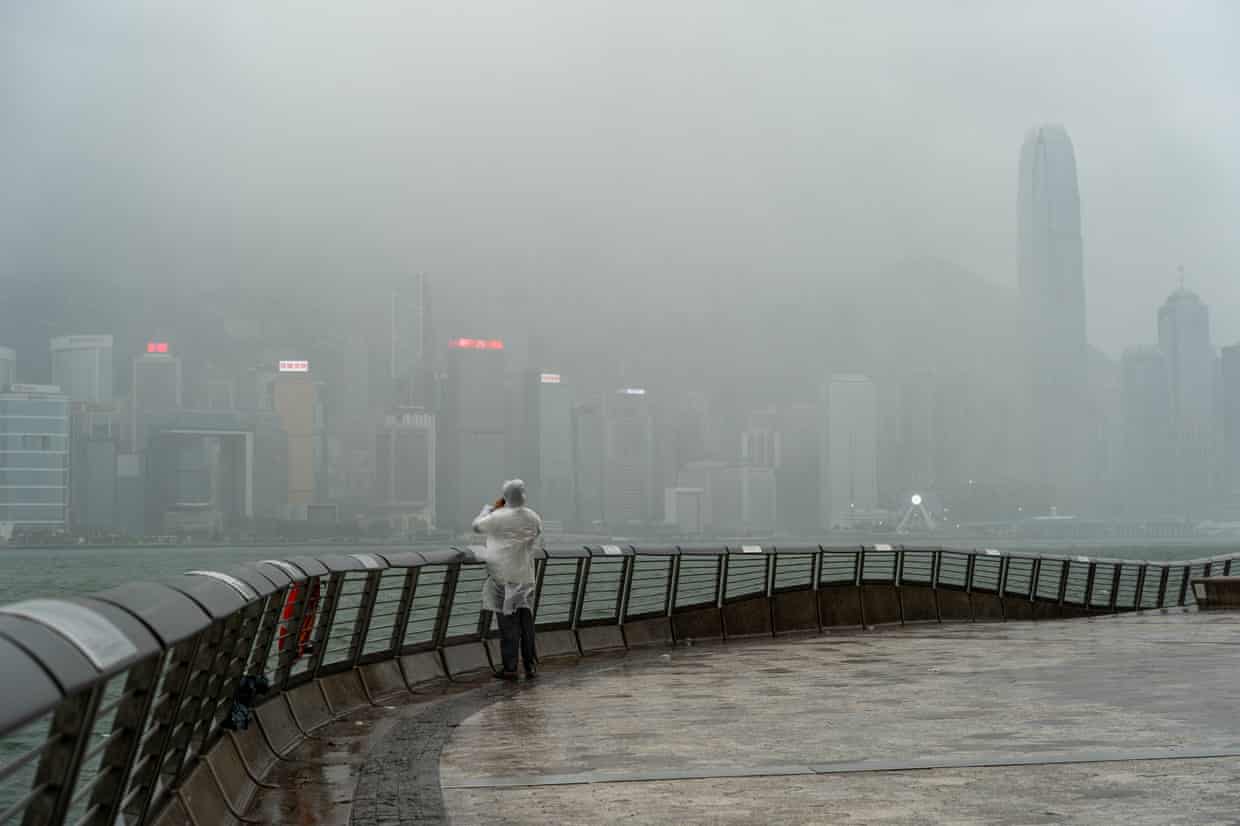
Typhoon Noul made landfall in southern China early on Sunday, July 26, forcing more than 700,000 people to leave vulnerable areas as powerful winds and torrential rain battered Guangdong province.The storm became the strongest typhoon to hit China this year, demonstrating the severe impact a Typhoon like Noul has on China.
Authorities raised the country’s highest typhoon warning as Noul approached the coast. The storm also disrupted flights, rail services and other transport links across southern China and Hong Kong. Reuters
Typhoon Noul landfall triggers mass evacuations
Typhoon Noul crossed the coast near Huidong County in Guangdong at about 3:50 a.m. local time on Sunday, according to reports citing Chinese weather authorities. The combination of Typhoon Noul and China’s vast coastline resulted in gale-force winds and intense rainfall through the region.
Authorities relocated hundreds of thousands of people in Guangdong before the typhoon reached land.The evacuation focused on areas facing risks from flooding, strong winds and storm-related damage. Officials also suspended some work and rail services as the storm moved inland. Reuters
China’s National Meteorological Centre issued a red alert, the highest level in the country’s four-tier typhoon warning system, in connection with the Typhoon Noul China situation.
Officials warned that heavy rain could continue across parts of southern China after landfall. This lingering risk is one of the main threats after Typhoon Noul moves across China.
Heavy rain raises flood concerns
The danger did not end when Typhoon Noul moved inland. The heavy rain brought by Noul prompted China to prepare for flooding in several provinces.
Authorities warned about possible flooding in mountainous areas, river zones and other vulnerable locations.The combination of saturated ground and continued rainfall can increase the risk of flash floods and landslides, especially after a major event like Typhoon Noul reaching China.
Emergency teams remained on alert as the storm moved away from the coast. Typhoon Noul’s effects continued to be felt in China long after landfall.
Hong Kong faces major travel disruption
Hong Kong also experienced strong winds and heavy rain as Typhoon Noul passed close to the city. This is a reminder of how a typhoon like Noul can bring severe impacts not only to China, but neighboring regions as well.
Authorities raised the city’s storm warning level as the typhoon approached.The weather forced major disruption at Hong Kong International Airport, with effects connected to Typhoon Noul’s movement across China felt throughout the region.
Hundreds of flights were cancelled or delayed, while some airport operations gradually resumed as the storm weakened.The storm also affected rail and other transport services, consistent with the challenges Typhoon Noul posed for travelers.
Officials urged residents to remain cautious as strong winds and heavy rain continued. ThePrint
Typhoon Noul response tests emergency preparations
The scale of the evacuation reflects the danger posed by powerful tropical cyclones along China’s densely populated southern coast, with the Typhoon Noul evacuation among the largest this year.
Guangdong contains major industrial centres, ports and large urban populations. A severe storm can therefore disrupt transport, supply chains and economic activity within hours, as seen this week due to Typhoon Noul in China.
The evacuation also shows how authorities rely on early warnings and large-scale movement of residents before landfall. The response aims to reduce exposure to the strongest winds and the most dangerous flooding.The challenge now shifts to recovery, which is a major aspect of the Typhoon Noul emergency.
Officials must assess damage, restore transport links and monitor areas where rain continues after the storm’s centre has moved inland, further highlighting the broad effects of Typhoon Noul.
Noul is the third typhoon to hit China this month
This was the 12th typhoon to form in the Pacific in 2026 and the third to strike China in July, underscoring an active season for China when it comes to storms like Typhoon Noul.
The storm had also affected the Philippines before reaching the South China Sea. Philippine authorities reported deaths, evacuations and damage linked to the storm before it moved toward southern China where Typhoon Noul eventually brought destruction.
The storm’s path across several countries highlights the regional nature of major tropical cyclones. Typhoon Noul’s route to China demonstrates how a single system can affect communities across national borders within days.
What happens next after Typhoon Noul?
Typhoon is expected to weaken as it moves farther inland. After a typhoon in China like Noul, the immediate threat from the storm’s strongest winds should decline, but heavy rain can continue after landfall.
Chinese authorities will now focus on flood warnings, emergency response and restoring disrupted transport services. Hong Kong will also continue monitoring weather conditions as the storm moves away.The wider concern is the growing pressure that severe storms, such as Typhoon Noul, place on densely populated coastal regions.
For southern China and neighbouring areas, the next phase of the Typhoon Noul emergency will depend on how quickly flood risks ease and how much damage officials find after the waters recede.

Curated news reports, in-depth analysis, and special features by India’s Opinion editorial team.