
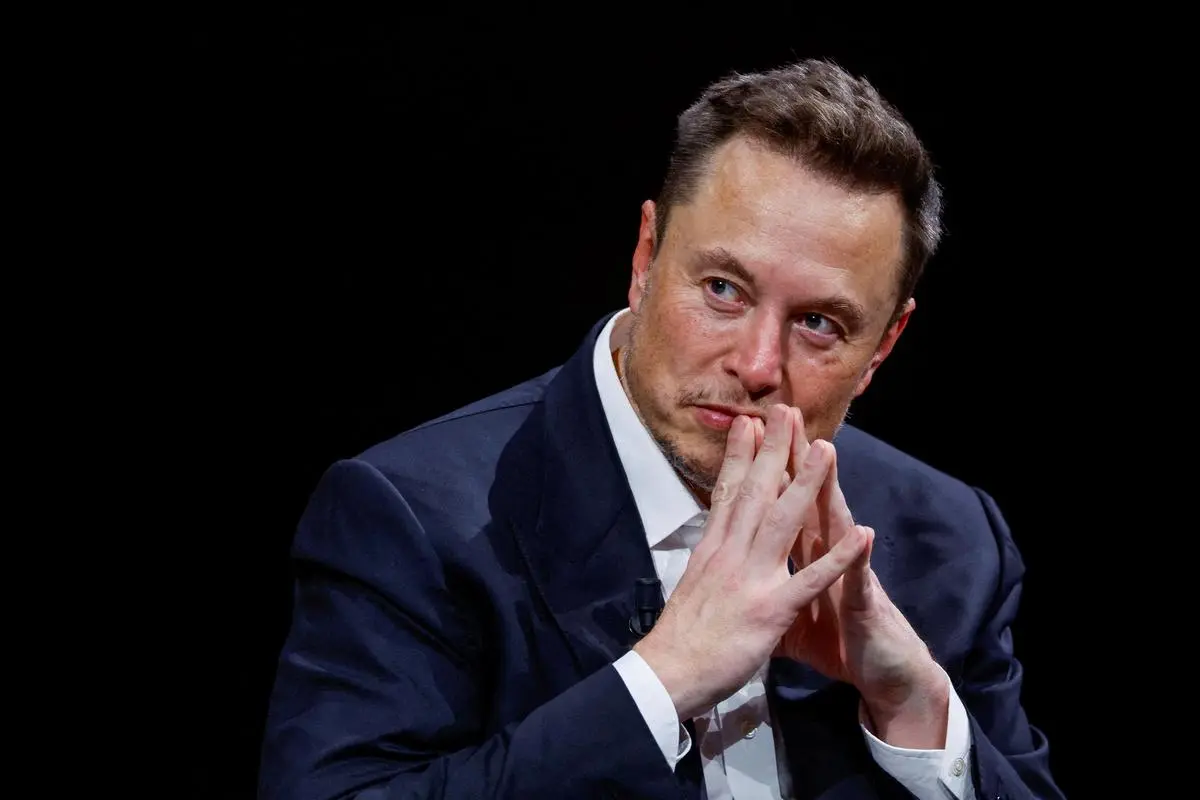
Tech billionaire and SpaceX chief Elon Musk has sharply escalated his war of words over Starlink’s delayed commercial rollout in India. In a provocative late-night post on social media platform X, Musk sarcastically addressed Reliance Industries chairman Mukesh Ambani as the nation’s political head.
“Dear Prime Minister Ambani, please accept my humble apologies for not realising that you are the real boss of India,” Musk wrote. Furthermore, the American entrepreneur accused domestic corporate interests of blocking foreign satellite broadband. He said this was to shield domestic telecom monopolies, according to a report by The Indian Express.
Years of Regulatory Hurdles and Security Delays
Musk’s sarcastic jibe follows five years of complex procedural negotiations with Indian regulators. Starlink obtained an initial telecommunications operating license from the Department of Telecommunications (DoT) after an extended review.
In addition, space regulator IN-SPACe granted technical authorization for Starlink’s low-Earth orbit satellite constellation. However, the service remains stalled at the final regulatory hurdle: national security clearance.
Security agencies have raised concerns regarding satellite data routing. Officials worry that foreign satellite internet providers could bypass domestic landing gateways, complicating sovereign data surveillance, as detailed by NDTV.
Competing Visions for India’s Satellite Space
The high-profile clash highlights an intense commercial battle for India’s emerging satellite broadband market. Starlink aims to beam high-speed internet directly to remote villages, mountainous terrains, and island territories.
Conversely, domestic giants led by Mukesh Ambani’s Reliance Jio and Sunil Mittal’s Bharti Airtel are building rival satellite ventures. Jio is currently designing its own low-Earth orbit constellation with an estimated investment of up to $15 billion.
Earlier, the two billionaires locked horns over spectrum allocation rules. Ambani argued for public spectrum auctions, whereas Musk successfully lobbied for administrative administrative allocation. This approach matched international norms, according to coverage by The Hindu.
Indian Government Dismisses Bias Allegations
The central government previously pushed back against Musk’s claims of crony favoritism. Telecommunications Minister Jyotiraditya Scindia clarified that regulatory scrutiny applies uniformly to all global and domestic applicants.
Officials noted that foreign operators must comply with Indian data residency and lawful interception mandates before offering commercial consumer connections. Meanwhile, Indian political parties sparred over the controversy.
Opposition leaders used Musk’s remarks to question the influence of domestic conglomerates over federal economic policymaking. This was reported by The Times of India.
The Race for Rural Digital Connectivity
India represents one of the largest untapped broadband markets in the world. Millions of rural households still lack reliable optical fiber lines.
Satellite internet promises to bridge this digital divide by delivering fast connectivity to difficult terrains without ground cables. However, the bitter battle between Starlink and domestic operators will dictate how quickly rural schools and remote clinics access this technology.
Ultimately, Elon Musk’s aggressive public posturing ensures that the regulatory tussle over Indian skies will face intense international and domestic scrutiny in the weeks ahead.

Curated news reports, in-depth analysis, and special features by India’s Opinion editorial team.