
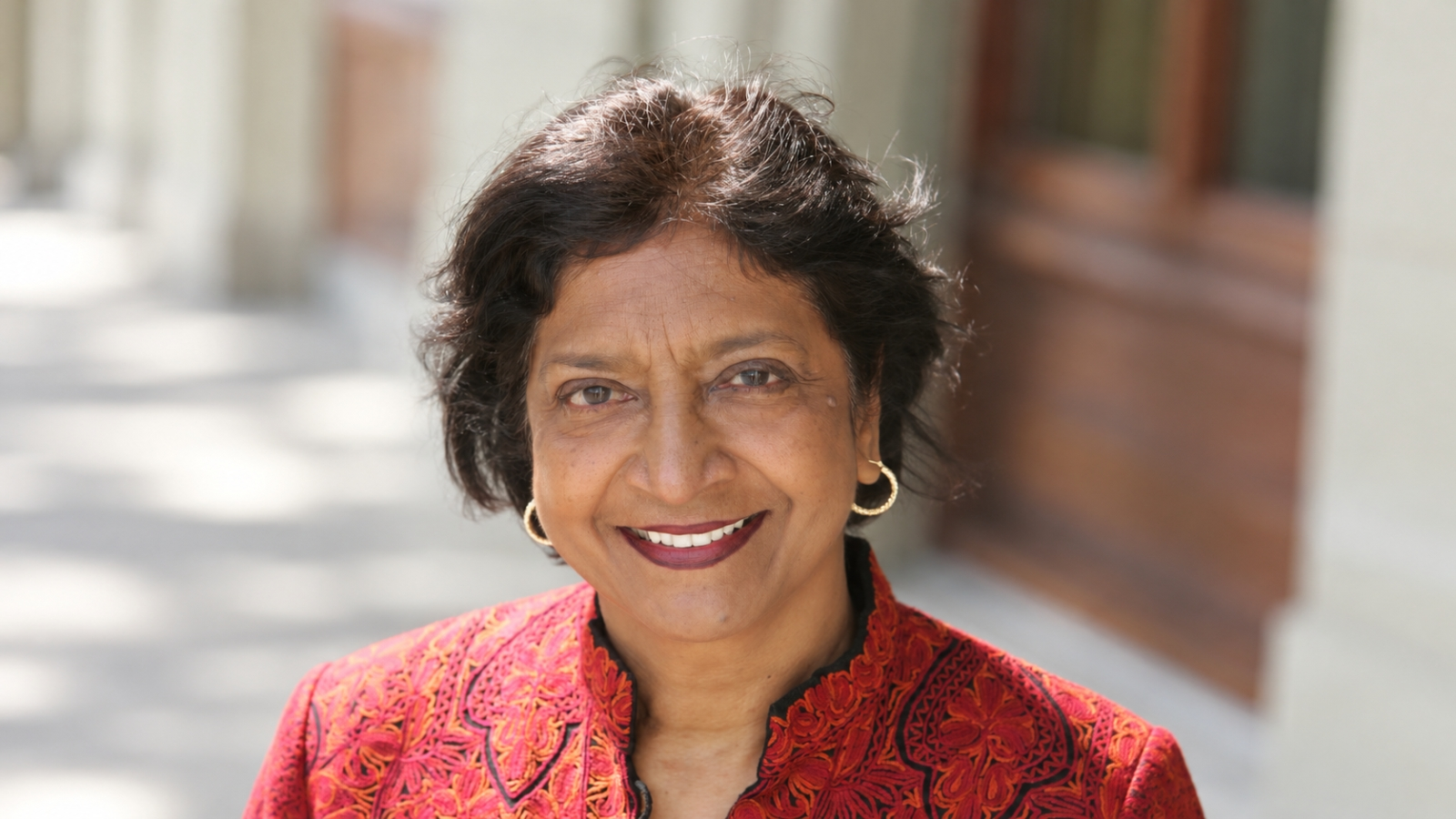
The Norwegian Nobel Committee on Friday awarded the 2026 Nobel Peace Prize to veteran South African jurist Navanethem “Navi” Pillay. The committee honored the 85-year-old pioneer for her courageous, lifelong struggle against systemic oppression, war crimes, and human rights violations across the globe.
Pillay traces her heritage to an Indian immigrant family in Durban. Furthermore, the committee recognized her tireless work defending political dissidents, establishing international criminal accountability, and protecting victims of sexual violence during armed conflict, according to an international dispatch by The Hindu.
Breaking Barriers Under South Africa’s Apartheid
Born in 1941 to a humble bus driver’s family, Pillay faced severe racial and gender discrimination from an early age. However, her intellectual discipline propelled her into legal studies, eventually earning a doctorate in law from Harvard University.
In 1967, she broke historic barriers by becoming the first non-white woman to establish a private law practice in South Africa’s Natal Province. During the dark years of apartheid, she defended anti-apartheid activists, trade union organizers, and political prisoners detained on Robben Island.
Following the collapse of apartheid in 1995, President Nelson Mandela appointed her as the first non-white female judge on the High Court of South Africa, as detailed by The Indian Express.
Landmark Precedent on War Crimes in Rwanda
Pillay soon brought her legal skills to international criminal tribunals. Serving as a judge and later as President of the International Criminal Tribunal for Rwanda (ICTR), she presided over landmark international trials.
Her bench delivered the historic 1998 Jean-Paul Akayesu judgment. For the first time in judicial history, international law recognized sexual violence and systemic rape as direct instruments of genocide and crimes against humanity.
Consequently, her progressive jurisprudence set an unshakeable standard for modern international criminal justice, according to coverage by The Guardian.
Defending Human Rights on the World Stage
In 2003, Pillay was elected to the inaugural bench of the International Criminal Court (ICC) in The Hague. Later, from 2008 to 2014, she served as the United Nations High Commissioner for Human Rights (UNHCHR).
As the UN’s top rights official, she challenged both major superpowers and regional regimes without hesitation. In addition, she championed the universal rights of marginalized communities, indigenous peoples, and sexual minorities across member states.
More recently, she chaired the UN Independent International Commission of Inquiry investigating international law violations in the Middle East, as reported by Al Jazeera.
A Timely Message for International Law
The Nobel Committee’s selection arrives at a moment when global legal institutions and human rights treaties face unprecedented geopolitical strain.
By honoring Navi Pillay, the committee affirmed that international law remains the essential foundation for lasting peace. Her lengthy career proves that impartial judicial principles can hold even the most powerful political actors accountable.
Ultimately, Navi Pillay’s Nobel triumph celebrates six decades of relentless moral courage, inspiring legal advocates and human rights defenders across the world.

Curated news reports, in-depth analysis, and special features by India’s Opinion editorial team.