
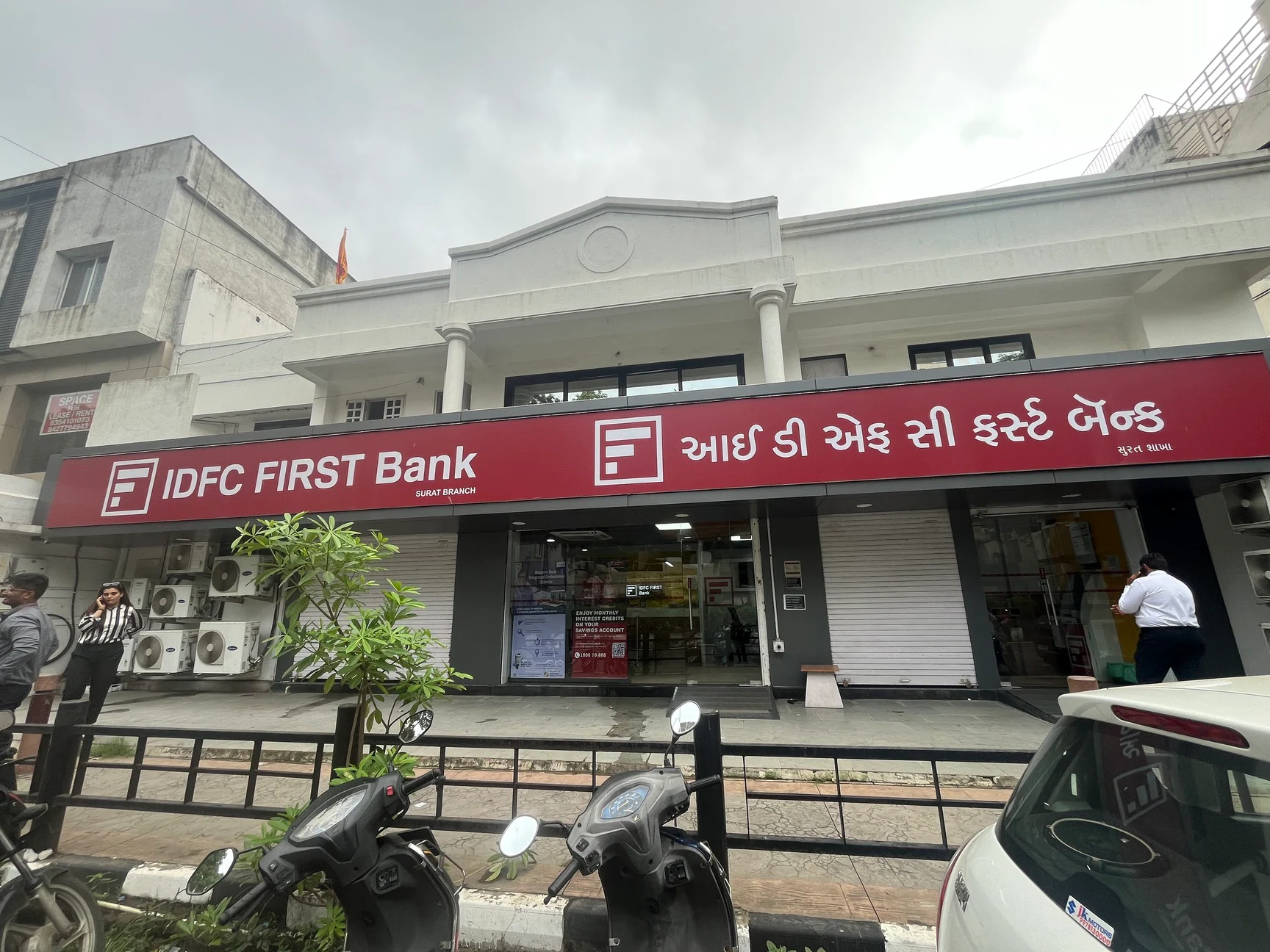
The Central Bureau of Investigation (CBI) has detailed an alleged trail of lavish favors and illicit gifts in its chargesheet for the Rs 504-crore IDFC First Bank public funds fraud case. The investigation targets several senior Haryana IAS officers alongside cooperating banking executives.
Federal investigators alleged that public servants illegally diverted massive government reserves from state-owned bodies into specific private bank accounts. Furthermore, the agency claimed that officials received gold coins, luxury hospitality, and private dance parties in return, according to a report by The Indian Express.
Massive Diversion of State Treasury Funds
The financial scam centers on the systematic diversion of public money belonging to eight Haryana government entities. These departments included the Panchkula Municipal Corporation and state pollution control authorities.
Corrupt bank personnel conspired with senior bureaucrats to park these public funds in a specific bank branch in Chandigarh. In addition, the conspirators bypassed official financial rules and ignored competitive interest rate guidelines.
Consequently, the diverted deposits generated substantial illicit commissions for bank officials. Meanwhile, the public servants responsible for the transfers received regular payouts and hospitality perks, as detailed by The Tribune.
Lavish Parties and Costly Festive Gifts
The formal chargesheet details a startling catalog of illegal inducements provided to state administrators.
Investigators found that the accused bankers gifted solid gold coins to senior bureaucrats ahead of festive seasons. For instance, one department head allegedly received two 50-gram gold coins just before Diwali.
Furthermore, the bank executives booked premium suites in five-star hotels across Chandigarh and Delhi for the officers. During these stays, the organizers arranged private mujra dance performances where guests allegedly showered large sums of cash on performers, according to an investigative report by ThePrint.
Tracing the Complex Hawala Networks
The CBI deployed specialized forensic teams to trace the money trail across northern India. Investigators discovered that middlemen converted banking commissions into cash through illegal hawala operators in Delhi and Chandigarh.
Federal agents tracked these transactions through coded slips and phone records. In fact, officers established that small token notes served as passwords to authorize multimillion-rupee cash deliveries.
Therefore, the agency collected solid digital footprints, hotel guest logs, and recovery receipts to substantiate its prosecution claims before the special CBI court.
Strict Disciplinary and Legal Repercussions
The filing of the chargesheet has sent shockwaves through Haryana’s administrative corridors.
The state government has initiated internal departmental reviews to scrutinize treasury controls across all public boards. Meanwhile, the accused civil servants face rigorous trial proceedings under the Prevention of Corruption Act and the Bharatiya Nyaya Sanhita.
Ultimately, the CBI’s investigation highlights the urgent need for tighter digital oversight over how public departments invest surplus state funds.

Curated news reports, in-depth analysis, and special features by India’s Opinion editorial team.