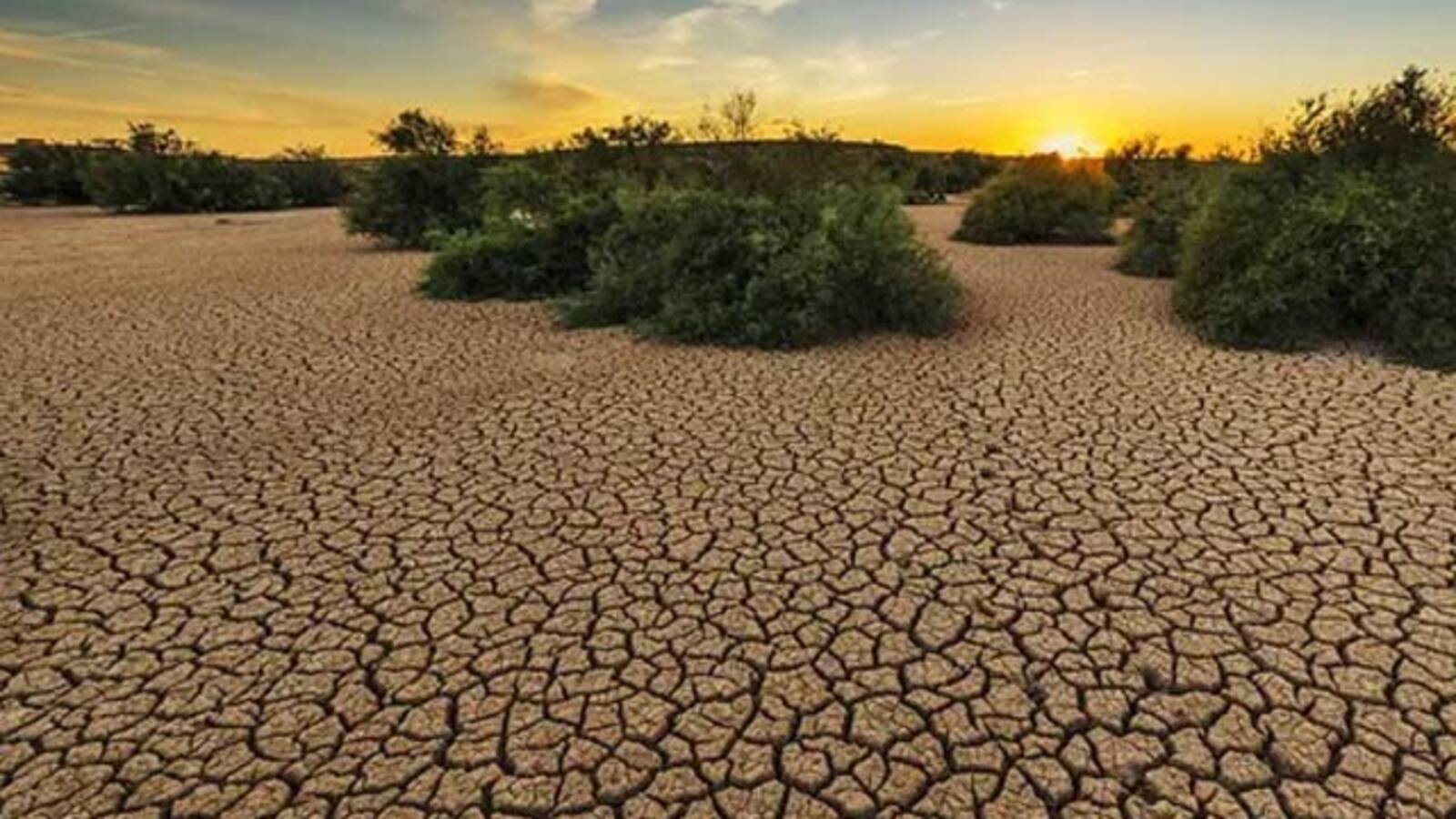
The Maharashtra government has officially declared drought across two hundred sixty-five tehsils. This massive administrative declaration covers nearly three-fourths of the entire western state. Officials took the step following a severe monsoon rain deficit this season. According to The Indian Express, seventy-five percent of sub-districts face water shortages. As a result, millions of farming families are facing acute financial distress. State authorities acted quickly to initiate emergency assistance across all affected areas. Earlier, local farmers had demanded immediate government support to survive crop failures. Consequently, the revenue department notified the drought status under statutory guidelines.
Ground Assessment in Hard-Hit Farm Belts
Chief Minister Devendra Fadnavis recently visited several parched rural districts personally. He traveled through Vidarbha and Marathwada to assess widespread crop destruction. During his field tour, anxious farmers broke down while sharing their struggles. Therefore, the state leadership decided to act without any further delay. A special cabinet sub-committee was formed to supervise relief operations closely. Furthermore, revenue minister Chandrashekhar Bawankule was appointed to lead the committee. Meanwhile, administrative teams carried out rapid damage surveys across rural villages. In addition, officials canceled routine leave to ensure round-the-clock crisis response.
Major Relief Concessions for Distressed Farmers
The state government announced a wide-ranging relief package for rural households. As reported by ThePrint, farm loans will be restructured to stop bank recoveries. In addition, the government will waive land revenue dues for farmers. Similarly, agricultural electricity bills will receive substantial state subsidies this year. However, authorities want to make sure financial relief reaches bank accounts directly. Furthermore, children of farmers will receive total school examination fee waivers. College students from drought-hit tehsils will also benefit from this policy. Consequently, families will not need to borrow money for education costs.
Emergency Water Supplies and Livestock Camps
Water reserves in several major dams have fallen to alarming levels. As a result, hundreds of rural hamlets require daily water supply tankers. Local district collectors received clear orders to deploy tankers without delay. Meanwhile, fodder shortages have begun threatening the health of farm cattle. Therefore, the administration is establishing special fodder camps across dry regions. These community centers will provide free cattle feed and veterinary care. Furthermore, veterinary doctors will visit remote villages to assist dairy farmers. In this way, small farmers can protect their valuable dairy livestock safely.
Rapid State Action Ahead of Central Assistance
Normally, states wait for central funding before beginning expensive relief projects. However, Chief Minister Fadnavis decided to release state funds immediately. He stated that rural families cannot survive long bureaucratic paperwork delays. The government invoked Trigger One rules under the national drought framework. Consequently, relief measures came into force right after the official announcement. Meanwhile, the state will submit an assessment report to central authorities. A central inspection team

Curated news reports, in-depth analysis, and special features by India’s Opinion editorial team.