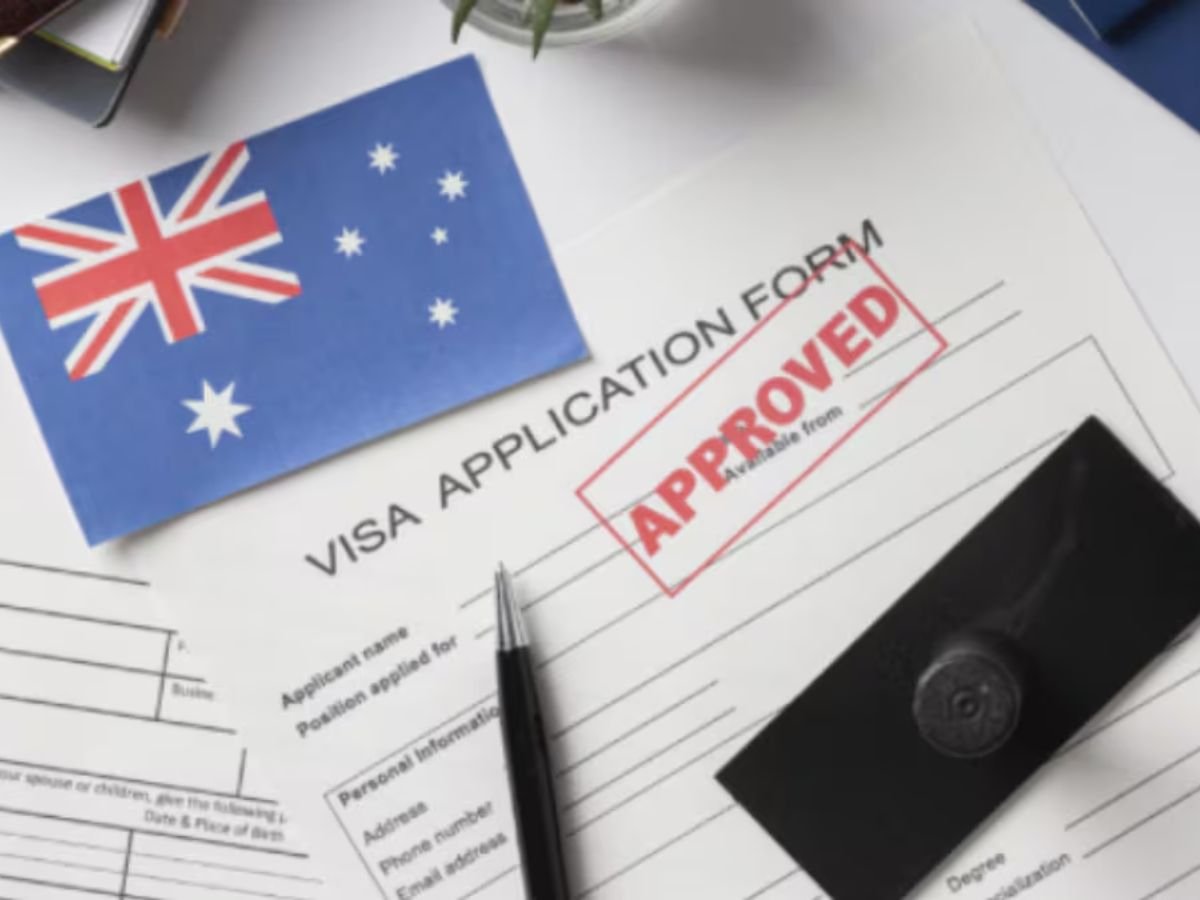
The Australian federal government has announced stringent new restrictions targeting foreign student visas. Authorities will prohibit international students from bringing spouses and dependent children while pursuing educational programs. Furthermore, immigration officials introduced strict conditions preventing overseas visitors from switching visa categories on-shore. The regulatory overhaul aims to curb record net migration amid escalating domestic political pressure, reports The Hindu.
The sweeping policy overhaul significantly alters overseas education plans for thousands of Indian families. India represents one of Australia’s largest sources of international university scholars and technical researchers. However, prospective candidates now face tighter screening protocols and higher financial entry thresholds. Consequently, education consultants advise Indian applicants to review qualification requirements before submitting formal paperwork.
The Blanket Ban on Accompanying Dependents
The prohibition on accompanying family members represents the most consequential change for postgraduate candidates. Under previous immigration provisions, spouses of enrolled international students enjoyed secondary working rights across Australia. Spousal employment provided essential supplemental income to offset expensive tuition and living expenses in metropolitan cities. However, new guidelines completely eliminate secondary dependent applicants across most university degree programs.
Mature students and mid-career professionals from India will feel the sharpest financial impact from this restriction. Many candidates with young families must now choose between solitary overseas study and domestic career advancement. In addition, only select scholars from Pacific Island territories and Southeast Asia retain dependent travel exemptions. Therefore, Indian applicants planning postgraduate study must navigate separate living arrangements or explore alternative global destinations.
Curbing Lateral Course Switching and Visa Hopping
Immigration authorities also unveiled stringent measures to dismantle widespread domestic visa-hopping practices. Students will now only secure visa renewals if they advance upward along official educational qualification ladders. Furthermore, candidates cannot downgrade from university degrees into cheaper vocational diplomas to maintain residency. The Home Affairs department seeks to eliminate non-genuine academic institutions that operate primarily as employment conduits, notes The Indian Express.
The revised framework imposes mandatory ‘no further stay’ conditions on all standard tourist and visitor visas. This restriction bars individuals from arriving as short-term visitors and transitioning onshore into student status. Meanwhile, universities must verify that prospective enrollees possess genuine academic intent and verified credentials. Consequently, applicants can no longer rely on informal bridge courses to prolong their temporary Australian residence.
Rising Financial Hurdles and Visa Application Costs
Prospective students also confront unprecedented financial investments just to file initial visa documentation. The non-refundable student visa application fee has climbed steeply to twenty-five hundred Australian dollars. In addition, the Australian government raised minimum personal savings requirements to prove independent subsistence capacity. These compounding expenses increase the financial vulnerability of families who face unpredictable visa rejection outcomes.
Education sector analysts note that international schooling represents Australia’s fourth-largest export industry. Foreign scholars generated over fifty-three billion Australian dollars for the national economy in recent years. However, government planners face mounting public scrutiny over soaring metropolitan rents and tight housing supplies. Therefore, federal ministers are curbing student inflows to ease pressure on public transport and local accommodation.
What Prospective Indian Applicants Must Do Now
Indian aspirants should recalibrate their application strategies around genuine academic pursuits at accredited institutions. Candidates applying to premier public research universities continue to experience stable visa processing timelines. In addition, official bodies advise candidates to verify English language proficiency benchmarks well in advance, according to Study Australia. Applicants must also present transparent documentation explaining educational progression and verifiable career trajectories.
Prospective scholars must recognize that immigration pathways to permanent residency are narrowing considerably. Education consultants emphasize choosing degree programs that align directly with high-demand domestic skills shortages. Meanwhile, students should budget rigorously for elevated tuition fees without expecting spousal income support. Thorough preparation and compliance with official migration rules remain essential for securing Australian study visas.

Curated news reports, in-depth analysis, and special features by India’s Opinion editorial team.