
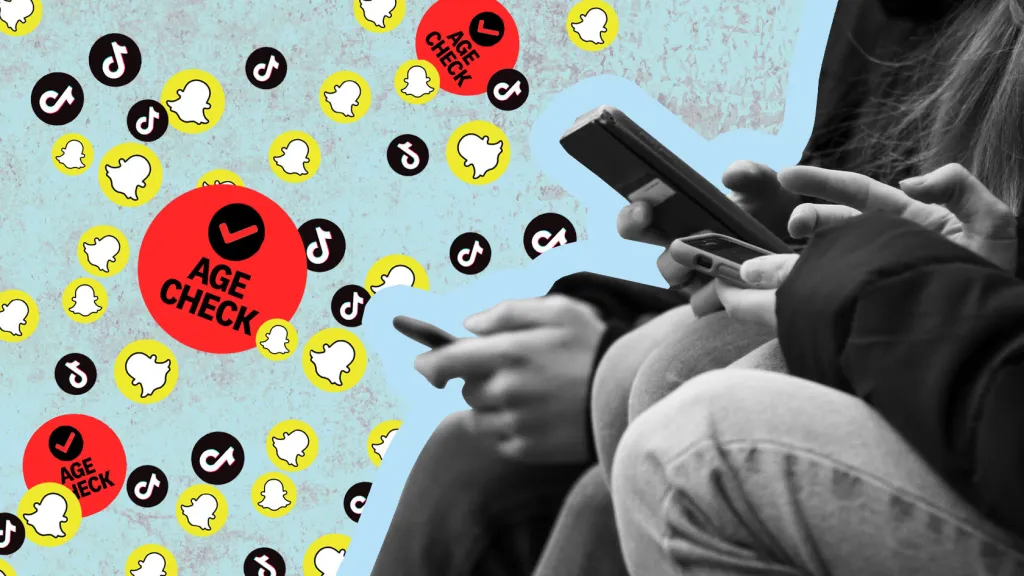
A powerful wave of digital regulation is sweeping across democratic governments. Lawmakers from Australia and France to the United Kingdom are enacting strict age bans on social media, as reported by FOX 5 Atlanta. These laws bar children under 15 or 16 from platforms like TikTok, Instagram, Snapchat, and YouTube. Legal scholars and digital rights activists openly acknowledge that blanket bans carry massive technical and privacy flaws. Yet, political leaders are aggressively pushing ahead with these sweeping bans anyway.
The Escalating Youth Mental Health Crisis
Policymakers face overwhelming clinical evidence linking heavy screen time to declining youth mental health. Studies show alarming spikes in adolescent anxiety, depression, sleep deprivation, and self-harm.
Endless algorithmic feeds push predatory content that fuels severe body dysmorphia and social isolation.
Medical bodies have repeatedly warned that developing teenage brains cannot resist addictive digital loops.
Governments feel a moral imperative to intervene before another generation suffers irreversible psychological harm.
Regulatory Fatigue and Big Tech’s Broken Promises
The aggressive legislative push also stems from deep political frustration with Silicon Valley. For over a decade, governments relied on tech giants to regulate themselves.
Platforms introduced voluntary parental controls and minor safety pledges. However, leaked internal documents revealed that companies continually prioritized user engagement and ad revenue over child safety.
Lawmakers realized that soft guidelines failed completely. Blanket bans have now become the only blunt political tool left to force compliance.
Popular Parental Backing as a Collective Shield
Exhausted parents across the globe are providing massive political momentum for these bans. Individual households struggle daily to limit screen time when every peer is online. Parents fear social ostracization for their children if they unilaterally restrict smartphones.
A state-mandated ban acts as a universal collective shield for families. It resets social norms so that childhood exists offline once again. Voters across party lines strongly support governments stepping in to share the parenting burden.
Privacy Risks and Digital Workarounds
Despite widespread political support, technical experts warn that age bans create serious unintended consequences.
Enforcing age limits requires mandatory digital identification, facial biometrics, or credit card verification. These surveillance measures risk exposing the private data of millions of ordinary citizens.
Furthermore, tech-savvy teenagers easily bypass restrictions using virtual private networks (VPNs) and alternative accounts.
Harsh bans can also push vulnerable youth toward unmoderated underground forums where predatory risks are far worse.
Banning Access vs. Redesigning Safer Tech Architecture
Digital rights advocates argue that bans target the wrong end of the problem. Locking children out lets social media companies avoid redesigning their harmful business models.
Critics demand laws that force platforms to eliminate infinite scrolling and predatory algorithms instead.
However, redesigning complex software systems takes years of legal wrangling. For elected leaders facing urgent public demand, a direct age ban offers an immediate, visible solution.

Curated news reports, in-depth analysis, and special features by India’s Opinion editorial team.