
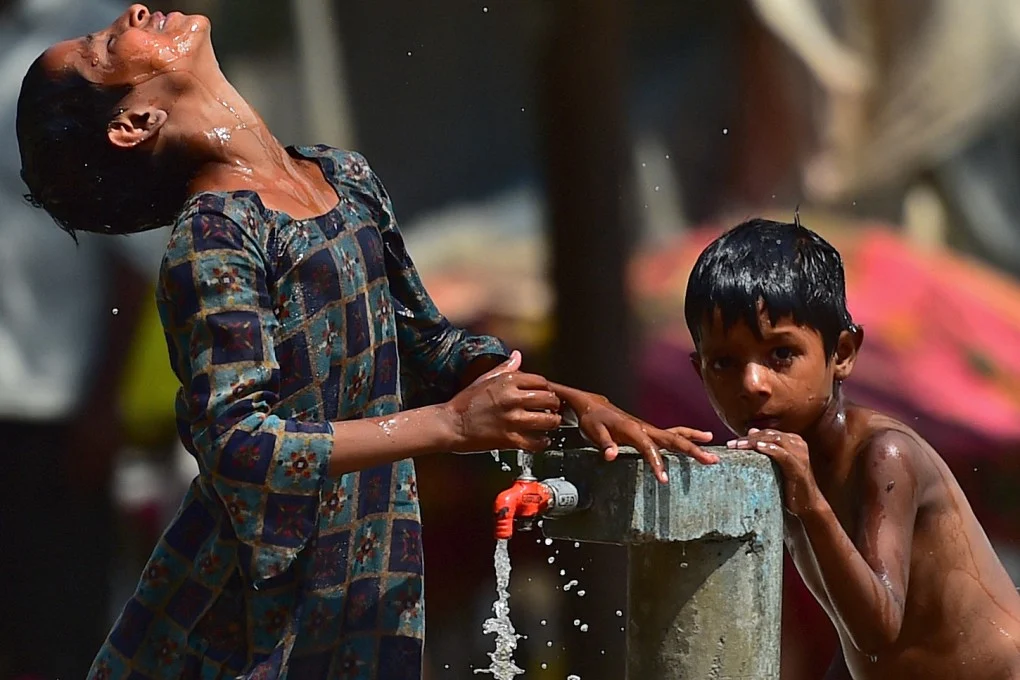
Human-induced climate change is creating an unprecedented health emergency for young children across the subcontinent. A groundbreaking study by the Vrije Universiteit Brussel (VUB) reveals that 145 million Indian children aged 0–9 face dangerous heat stress.
Extreme temperatures significantly increase the risk of severe dehydration, respiratory distress, and fatal heatstroke. The findings highlight how global warming disproportionately threatens the most vulnerable demographic.
Alarming Findings of the Global VUB Climate Study
The comprehensive research combined advanced climate attribution models with global demographic date. Climate change has doubled the number of young Indian children exposed to hazardous heat waves.
Globally, up to 560 million children—representing 43 percent of all kids under ten—endure at least one additional month of dangerous heat annually.
Young children suffer nearly triple the exposure experienced by older adults. India represents one of the world’s most severely impacted regions.
Why Young Children Face Disproportionate Biological Risks
Pediatricians warn that children cannot regulate their body temperature as effectively as adults. Children produce more metabolic heat relative to their overall body mass.
They also sweat less efficiently, reducing their ability to cool down naturally. Prolonged exposure to extreme humid heat rapidly drains bodily fluids.
This causes severe electrolyte imbalances, kidney strain, and acute heat exhaustion. Infants and toddlers face the highest risk of irreversible developmental complications.
Urban Heat Islands, Poverty, and Toxic Air Pollution
Environmental experts emphasize that socio-economic vulnerabilities magnify heat hazards in Indian cities. Dense urban centers lack adequate green cover and shaded recreational spaces.
Millions of underprivileged families live in informal settlements with heat-trapping tin roofs. Frequent power outages and water scarcity leave children without cooling relief.
Additionally, high summer temperatures trap toxic air pollutants close to the ground. This dangerous cocktail triggers severe asthma and chronic respiratory infections in school-going children.
Future Warming Trajectories and Rising Global Vulnerability
The study paints a sobering picture under future climate scenarios. If global temperatures rise by 1.5°C, affected children worldwide will jump to 620 million.
A 2.0°C rise will push that figure to 650 million. In India, prolonged heat seasons will disrupt school calendars and outdoor activities. Experts caution that current climate policies remain insufficient to shield future generations from dangerous thermal limits.
Urgent Policy Interventions and Child-Centric Heat Action Plans
Public health advocates urge immediate municipal reforms to protect young populations. State governments must redesign urban Heat Action Plans with child-specific guidelines.
Schools require mandatory cooling infrastructure, shaded play areas, and clean hydration stations.
City planners must invest in cool-roof initiatives and urban tree canopies. Pediatric hospitals also need dedicated heatstroke management protocols to handle seasonal surges effectively.

Curated news reports, in-depth analysis, and special features by India’s Opinion editorial team.