Every year on August 6, the world pauses to remember one of the darkest moments in modern history. Ceremonies in Hiroshima draw survivors, world leaders, diplomats, and peace activists who honour the victims and renew calls for a future without nuclear weapons. More than eight decades after the attack, the anniversary remains relevant because global tensions continue to fuel debate over nuclear deterrence, arms control, and international security.
The Hiroshima Atomic Bombing marked a turning point in warfare. It introduced a weapon capable of destroying an entire city within moments. Historians continue to debate its military necessity, yet few dispute its devastating human cost. The event reshaped global politics and left a legacy that still influences diplomatic decisions.
Why the United States Dropped the Bomb
By the summer of 1945, the Second World War in Europe had ended, but Japan continued fighting. American forces had captured strategic islands across the Pacific, though each campaign came with heavy casualties. Military planners expected a full invasion of Japan to result in even greater losses for both sides.
The United States had also completed the Manhattan Project, a secret programme that developed the world’s first nuclear weapons. President Harry S. Truman authorised the use of the bomb after consultations with military and political advisers. Supporters argued that it would force Japan’s surrender and shorten the war. Critics have long questioned whether other options could have achieved the same result.
August 6, 1945
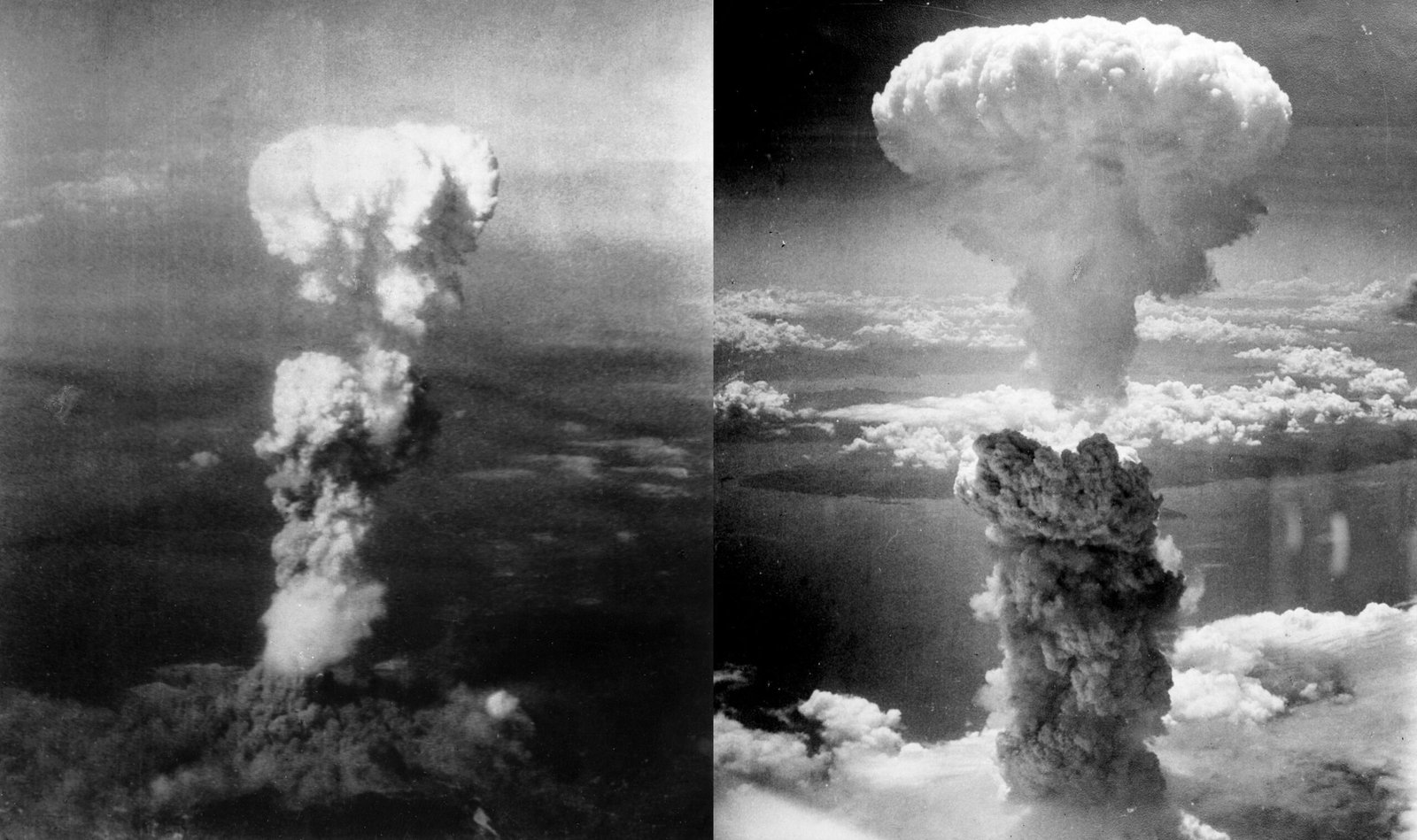
At about 8:15 a.m. local time, the American B-29 bomber Enola Gay released a uranium bomb known as “Little Boy” over Hiroshima. Seconds later, a massive explosion engulfed the city. Buildings collapsed, fires spread rapidly, and temperatures reached levels that caused widespread destruction.
The Hiroshima Atomic Bombing killed tens of thousands of people almost immediately. By the end of 1945, estimates suggested around 140,000 people had died from the blast, burns, and radiation-related illnesses, according to the Hiroshima Peace Memorial Museum. Many victims were civilians, including children, teachers, healthcare workers, and elderly residents.
Human Suffering Beyond the Explosion
The devastation did not end on the day of the attack. Thousands of survivors suffered severe burns, radiation sickness, and long-term illnesses. Hospitals had been destroyed, doctors were killed or injured, and medical supplies were scarce. Rescue efforts struggled against overwhelming destruction.
The Hiroshima Atomic Bombing also left lasting psychological scars. Survivors, known in Japan as hibakusha, faced years of trauma and, in many cases, discrimination linked to fears about radiation exposure. Their testimonies have become central to global campaigns for nuclear disarmament.
Japan’s Surrender and the War’s End
Three days after Hiroshima, the United States dropped a second atomic bomb on Nagasaki. On August 15, Emperor Hirohito announced Japan’s surrender, bringing the Second World War to an end in Asia.
Many historians believe the bombings accelerated Japan’s decision to surrender. Others argue that the Soviet Union’s declaration of war against Japan also played a decisive role. The debate continues among scholars, showing that the end of the war resulted from several military and political developments rather than a single event alone.
The Global Legacy of Hiroshima
The Hiroshima Atomic Bombing reshaped international relations. Nations quickly realised that nuclear weapons had changed the nature of warfare. During the Cold War, the United States and the Soviet Union built vast nuclear arsenals, creating an arms race that lasted for decades.
Governments also pursued agreements to reduce the risk of nuclear conflict. The Treaty on the Non-Proliferation of Nuclear Weapons (NPT), which entered into force in 1970, became the cornerstone of global efforts to limit the spread of nuclear weapons. Even so, several countries continue to maintain or modernise their nuclear capabilities, keeping the issue at the centre of international diplomacy.
Hiroshima’s Message of Peace
Today, Hiroshima stands as both a thriving city and a symbol of resilience. The Hiroshima Peace Memorial Park and the Atomic Bomb Dome attract millions of visitors every year. They preserve the memory of those who died while educating future generations about the consequences of nuclear war.
Each anniversary, city officials, survivors, and representatives from many countries gather to observe a moment of silence at 8:15 a.m., the exact time the bomb exploded. The ceremony honours the victims and renews calls for dialogue, diplomacy, and peaceful conflict resolution.
Why Historians Still Debate the Bombing
The Hiroshima Atomic Bombing remains one of the most debated events in modern history. Some historians argue that it prevented a prolonged invasion of Japan and ultimately saved lives that would have been lost in a conventional war. Others contend that Japan was already close to surrender and that the use of atomic weapons caused unnecessary civilian suffering.
Recently released archives and decades of academic research have enriched this debate, but no universal consensus has emerged. The discussion continues in universities, museums, and policy circles around the world.
Why August 6 Continues to Matter
The Hiroshima Atomic Bombing is more than a historical event. It serves as a reminder of the destructive power of nuclear weapons and the human cost of war. As geopolitical tensions persist and nuclear-armed states continue to invest in their arsenals, the lessons of Hiroshima remain relevant to policymakers and citizens alike.
Educational institutions, international organisations, and peace groups use the anniversary to encourage dialogue on arms control and humanitarian law. Survivors who continue to share their experiences have played a vital role in ensuring that the tragedy is remembered not only as a chapter in history but also as a warning for the future.
The Hiroshima Atomic Bombing continues to shape discussions about security, diplomacy, and ethics. While historians may disagree on aspects of the decision to use the bomb, there is broad agreement that its human impact was immense.
As the number of living survivors declines with time, preserving their stories becomes increasingly important for future generations. The anniversary of August 6 reminds the world that the pursuit of peace requires constant effort, honest reflection, and sustained international cooperation.

Umar Khan is a writer driven by curiosity and a passion for understanding the world. Through thoughtful analysis and evocative storytelling, he seeks to make complex ideas accessible, inspire meaningful conversations, and encourage fresh perspectives on the people, places, and issues that shape our shared future.