
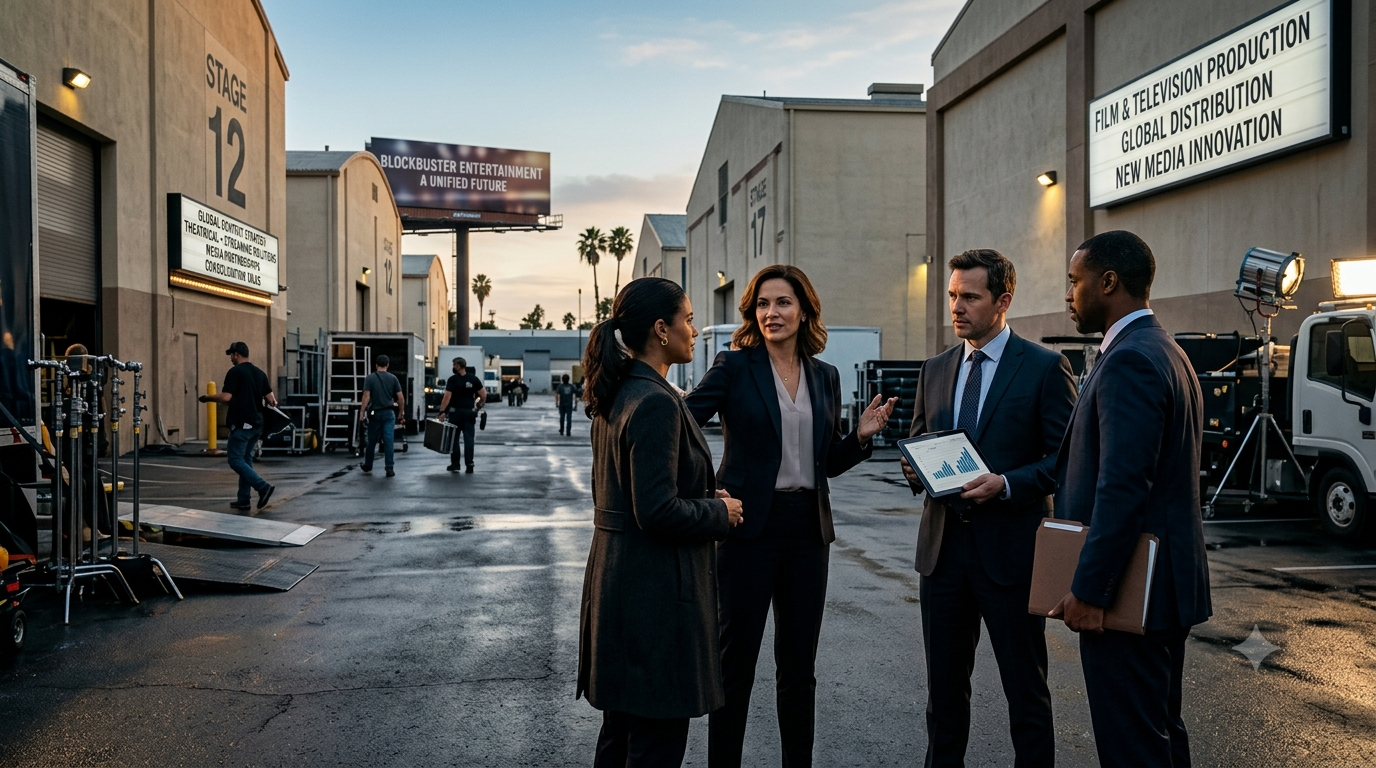
Paramount Skydance has cleared a major legal obstacle to its proposed $110 billion acquisition of Warner Bros. Discovery after reaching settlements with a group of US states and the Writers Guild of America.
The development brings the proposed Hollywood mega-merger closer to completion and could reshape the global film, television and streaming business.The settlement was reached with California and 11 other states that had challenged the transaction on antitrust grounds.
The states had argued that combining two major entertainment companies could reduce competition across film, television and other media markets.The agreement removes a major barrier that had been holding up the transaction.
Paramount Skydance said it now expects to move toward closing the deal, with CEO David Ellison telling employees that the company hopes to complete the transaction in approximately two weeks.
Paramount-Warner Bros Deal Moves Closer to Completion
The proposed acquisition would bring Paramount Skydance and Warner Bros.
Discovery under one corporate structure. The combined group would control major film studios, television networks and streaming operations.
Warner Bros. Discovery owns Warner Bros. film and television operations as well as HBO and other entertainment properties. Paramount Skydance operates Paramount Pictures, CBS and Paramount+, among other businesses.
The transaction has faced regulatory and legal scrutiny for months.
The US Department of Justice had already cleared the deal, while regulators in the European Union and the United Kingdom had also approved it.
However, lawsuits brought by US states created another legal hurdle.
The latest settlement means those state challenges will no longer stand in the way of closing the transaction.
What Paramount Agreed To
The settlement includes several conditions affecting Paramount’s future operations.
Paramount has agreed to increase spending on US film production by at least $300 million a year compared with 2025 levels.
Over five years, that represents at least $1.5 billion in additional domestic film production investment.The company has also committed to releasing at least 30 theatrical films each year.
The requirement can rise to 32 films in later years under the settlement terms.If Paramount fails to meet the agreed film-release targets, it could face financial penalties.
Reuters reported that the penalty can reach $30 million for each film below the required level.
The agreement also includes commitments involving Paramount and Warner Bros. studio facilities in California.
Paramount has agreed not to sell the Paramount Studios or Warner Bros. lots in the state for at least five years.
CNN and CBS Editorial Independence
The settlement also addresses concerns surrounding news operations.
Paramount has agreed to establish independent editorial boards for CBS and CNN.
The boards are intended to provide additional oversight of journalistic independence after the two media operations become part of the same corporate structure.
The issue has attracted attention because the proposed merger would combine a large entertainment company with major television news operations.
The settlement provides for independent monitoring of several commitments.
Reuters reported that compliance will involve an independent trustee, a compliance monitor and a five-state oversight committee.
Writers Guild Drops Its Lawsuit
The Writers Guild of America also agreed to settle its legal challenge against the merger.
The union had opposed the transaction because of concerns about its possible impact on writers, employment and competition within Hollywood.
After the state attorneys general reached their settlement, the WGA said it would no longer continue its own lawsuit.
The guild has continued to express concerns about the broader effects of the merger, even though it agreed to end its litigation.
The settlement therefore removes another legal challenge facing Paramount as it prepares to combine the two companies.
A Major Change for Hollywood
If completed, the transaction would create one of the largest entertainment companies in the world.
The combined company would bring together Paramount’s film and television operations with Warner Bros.
Discovery’s extensive entertainment portfolio. It would also place major theatrical, television and streaming businesses under common ownership.
The scale of the transaction has raised questions about competition, film production, distribution and employment across Hollywood.
Supporters of the agreement have pointed to the production commitments included in the settlement.
Critics, meanwhile, have argued that the deal could reduce competition and create pressure on smaller companies and workers in the entertainment industry.
Reuters reported that some critics believe the settlement does not go far enough in addressing those concerns.
California Attorney General Rob Bonta has defended the settlement while acknowledging that it did not produce every remedy originally sought by the state.

Curated news reports, in-depth analysis, and special features by India’s Opinion editorial team.