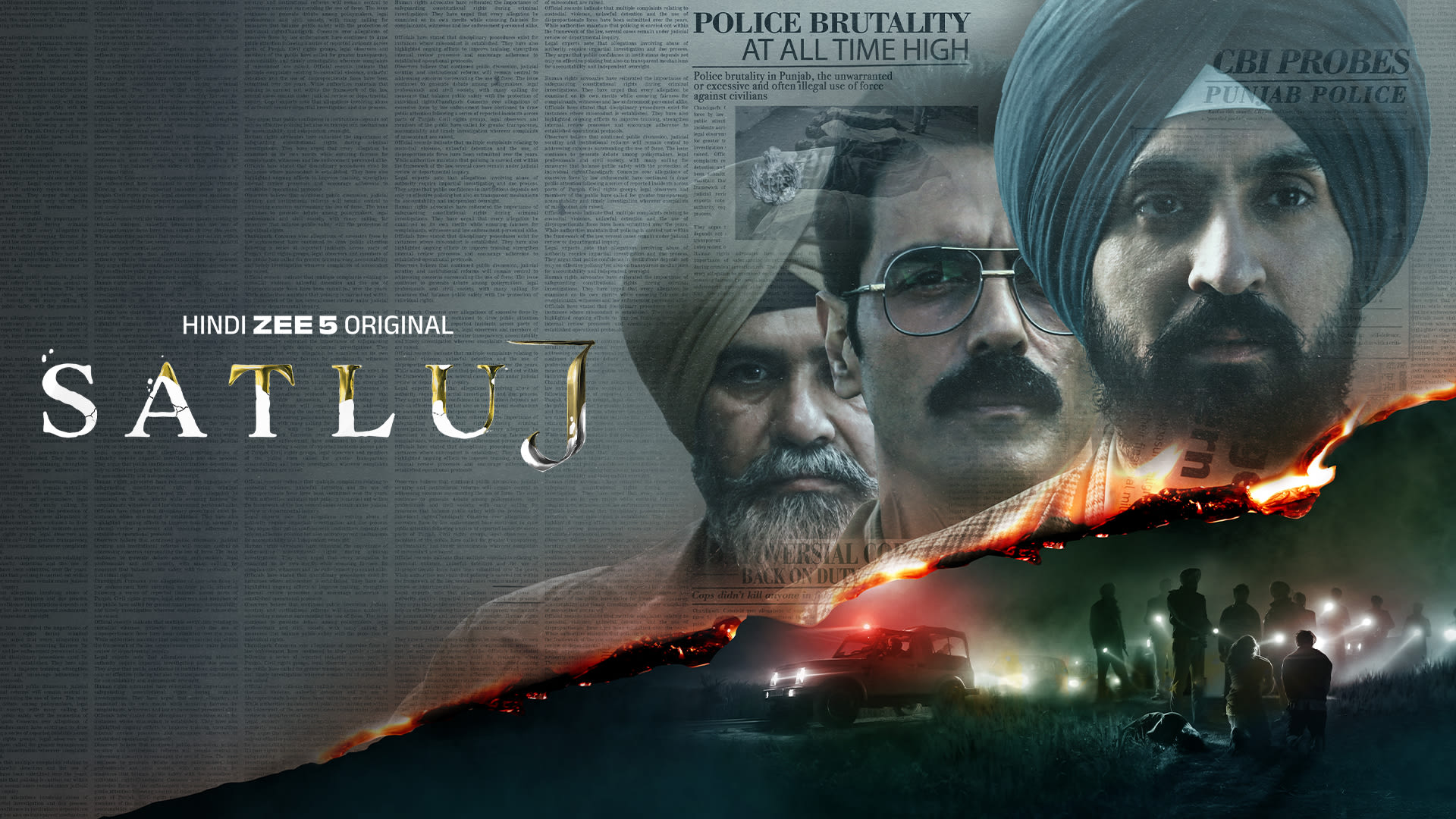
The decision to pull Diljit Dosanjh’s Satluj from ZEE5 in India just days after its long-awaited release has reignited debates around censorship, artistic freedom and politically sensitive storytelling in Indian cinema. The film, originally titled Punjab 95, had already spent years navigating legal and certification hurdles before finally reaching audiences on streaming platforms.
On Saturday, ZEE5 confirmed that Satluj has been removed from ZEE5 in India until further notice, citing “current developments” while also expressing support for the filmmakers and exploring possible legal avenues to restore the film’s availability.
Why Was Satluj Removed From ZEE5?
ZEE5 has not publicly provided a detailed explanation for the removal of Satluj. In its official statement, the platform said that the film would remain unavailable in India “until further notice” and that it was examining options to bring it back to Indian audiences.
The removal comes barely two days after the film’s digital premiere, making it one of the shortest-lived major OTT releases in recent memory. The abrupt withdrawal has triggered questions about whether legal, political or regulatory factors may have contributed to the decision.
The Long Journey of Satluj, Previously Known as Punjab 95
The story of Satluj itself has been marked by controversy. The film, originally announced under the title Punjab 95, is based on the life of human rights activist Jaswant Singh Khalra, who investigated alleged extrajudicial killings and disappearances in Punjab during the 1980s and 1990s.
Directed by Honey Trehan and starring Diljit Dosanjh in the lead role, the project faced a prolonged battle over certification and reportedly encountered demands for extensive cuts before eventually arriving on OTT platforms in its uncut form.
For many observers, the film’s eventual release represented a significant moment for politically sensitive cinema in India. Its sudden removal has therefore raised fresh concerns about the challenges facing films that deal with contentious historical and political subjects.
Diljit Dosanjh’s Response to the Satluj Controversy
Following the removal of Satluj, Diljit Dosanjh appeared to express his disappointment through social media, sharing messages that many supporters interpreted as a response to the film’s withdrawal. According to media reports, the actor emphasized his commitment to confronting attempts to suppress difficult stories.
Dosanjh had previously stated that he would not have supported the release of the film had it been subjected to cuts that compromised its artistic vision.
What Does the Removal of Satluj Mean for OTT Platforms?
The removal of Satluj highlights the increasingly complex environment surrounding digital content platforms in India. While streaming services were once viewed as spaces offering greater creative freedom than traditional cinema, recent controversies suggest that OTT platforms also face growing legal, political and regulatory pressures.
The case of Satluj may therefore become a significant reference point in future debates over artistic freedom, platform responsibility and the limits of creative expression in India.
Will Satluj Return to ZEE5?
At present, neither ZEE5 nor the filmmakers have announced a timeline for the film’s return to Indian audiences. The streaming platform has indicated that it is exploring legal and procedural options to restore access to the film.
For now, Satluj remains unavailable in India, adding yet another chapter to a film whose journey from production to release has been marked by controversy, delays and intense public debate. Whether the film returns soon or remains unavailable for an extended period, its removal has already sparked a broader conversation about cinema, politics and freedom of expression in contemporary India.
Jitendra Kumar is a graduate of the acclaimed IIMC with extensive experience across leading newspapers and media organisations.