
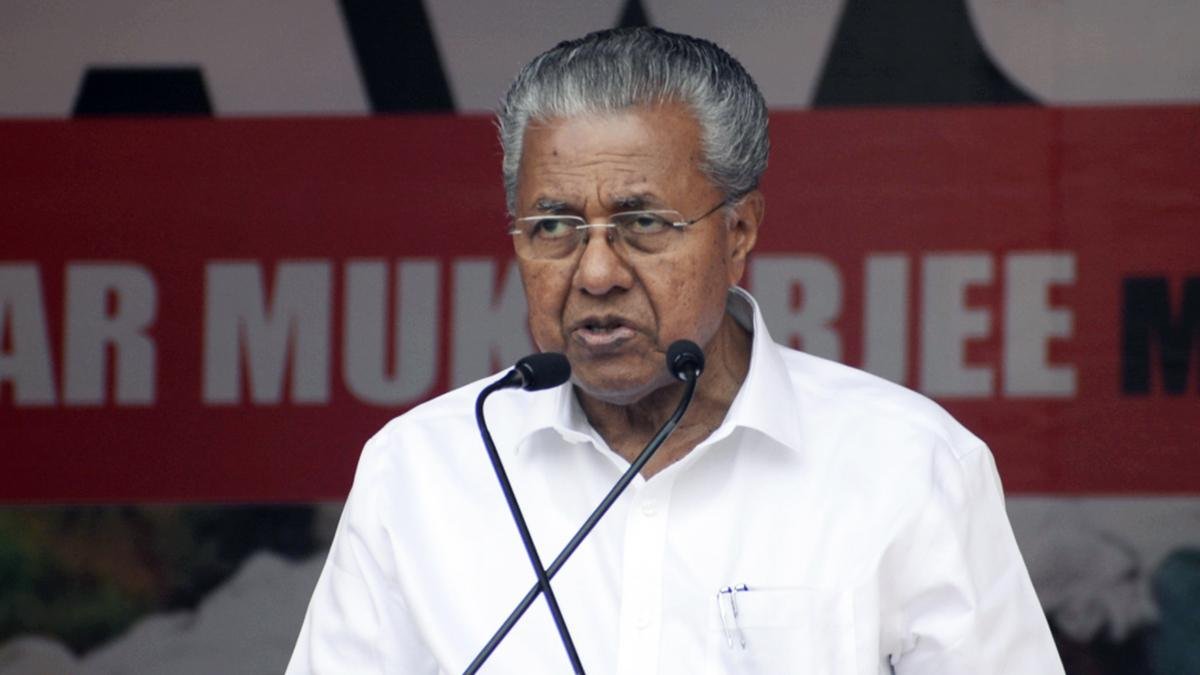
Kerala state authorities formally authorized a preliminary police investigation into former Chief Minister Pinarayi Vijayan. The high-profile investigation examines disputed financial transactions between private mining interests and his daughter’s enterprise. Furthermore, the directive encompasses former state public works minister P A Mohamed Riyas and businesswoman Veena T. State Home Minister Ramesh Chennithala confirmed the decisive investigative step during a media briefing in Thiruvananthapuram, reports The Hindu.
The administrative move follows formal recommendations submitted by the central Enforcement Directorate earlier this month. Federal investigators uncovered evidence of questionable monthly disbursements made by Cochin Minerals and Rutile Limited. However, auditors found that the mineral firm directed recurring payments toward Veena’s defunct software firm, Exalogic Solutions. Consequently, state vigilance officers will assess whether these corporate remittances constituted illegal gratification, notes The Indian Express.
Scrutiny of Mineral Leases and Software Contracts
Central investigative agencies previously tracked these controversial transactions under federal prevention of money laundering statutes. Corporate ledgers showed extensive payments categorised as professional software consulting fees over multiple financial quarters. In addition, income tax interim settlement authorities ruled that Exalogic provided no measurable software services. Investigators suspect that these transactions functioned as covert retainers to facilitate state administrative clearances.
The Serious Fraud Investigation Office collected extensive electronic evidence during searches at private company facilities. Similarly, federal documentation indicated that payment schedules aligned closely with contentious beach mineral mining regulatory approvals. Therefore, state detectives will scrutinize department archives to determine if official decisions favored the commercial extractor. Experienced vigilance officers will lead the forensic document review across multiple government departments, reports The South First.
Government Strategy Behind Preliminary Verification
The United Democratic Front cabinet reviewed the federal findings carefully during prolonged closed-door deliberations. Ministers debated whether to lodge immediate criminal charges or pursue a structured preliminary verification process. Moreover, legal counsels advised that conducting an independent inquiry provides an unassailable factual foundation for future proceedings. The home minister assured citizens that police officers will conduct their work with rigorous impartiality, writes The Week.
A specialized investigative squad will review all relevant corporate filings, bank statements, and executive communications. Investigators will summon company executives to clarify the genuine operational scope of the contested consulting contracts. In addition, state officers will verify whether government agencies bypassed statutory environmental protocols to benefit the firm. Consequently, the preliminary report will determine whether authorities file a regular First Information Report.
Political Clash Between Ruling and Opposition Blocs
The investigative order triggered sharp verbal skirmishes across the state’s polarized political arena. Communist Party of India (Marxist) leaders denounced the inquiry as an orchestrated political vendetta. Furthermore, party officials accused the ruling coalition of weaponizing federal agency reports to tarnish communist leadership. Leftist party units announced widespread public protest demonstrations to oppose what they termed administrative overreach.
Ruling front legislators countered that public accountability demands an exhaustive and uncompromised examination of executive conduct. They maintained that previous regimes suppressed sensitive corporate files to shield prominent political families from scrutiny. Nevertheless, anti-corruption watchdogs praised the inquiry as a vital measure toward enforcing statutory transparency in governance. Good governance advocates emphasize that illicit corporate retainers undermine public trust and environmental protections, observes Rediff.
Complex Multi-Agency Legal Dynamics
Legal analysts suggest that parallel state and central investigations will generate intricate procedural challenges. State police officers will examine potential infractions framed under the Prevention of Corruption Act. Meanwhile, federal enforcement teams continue pursuing money-laundering and corporate fraud cases before central judicial tribunals. Consequently, the defense team must coordinate legal challenges across multiple jurisdictional levels simultaneously.
The unfolding investigation signals a transformative chapter in Kerala’s ongoing political accountability debates. The final findings will strongly influence upcoming local body elections and broader

Curated news reports, in-depth analysis, and special features by India’s Opinion editorial team.