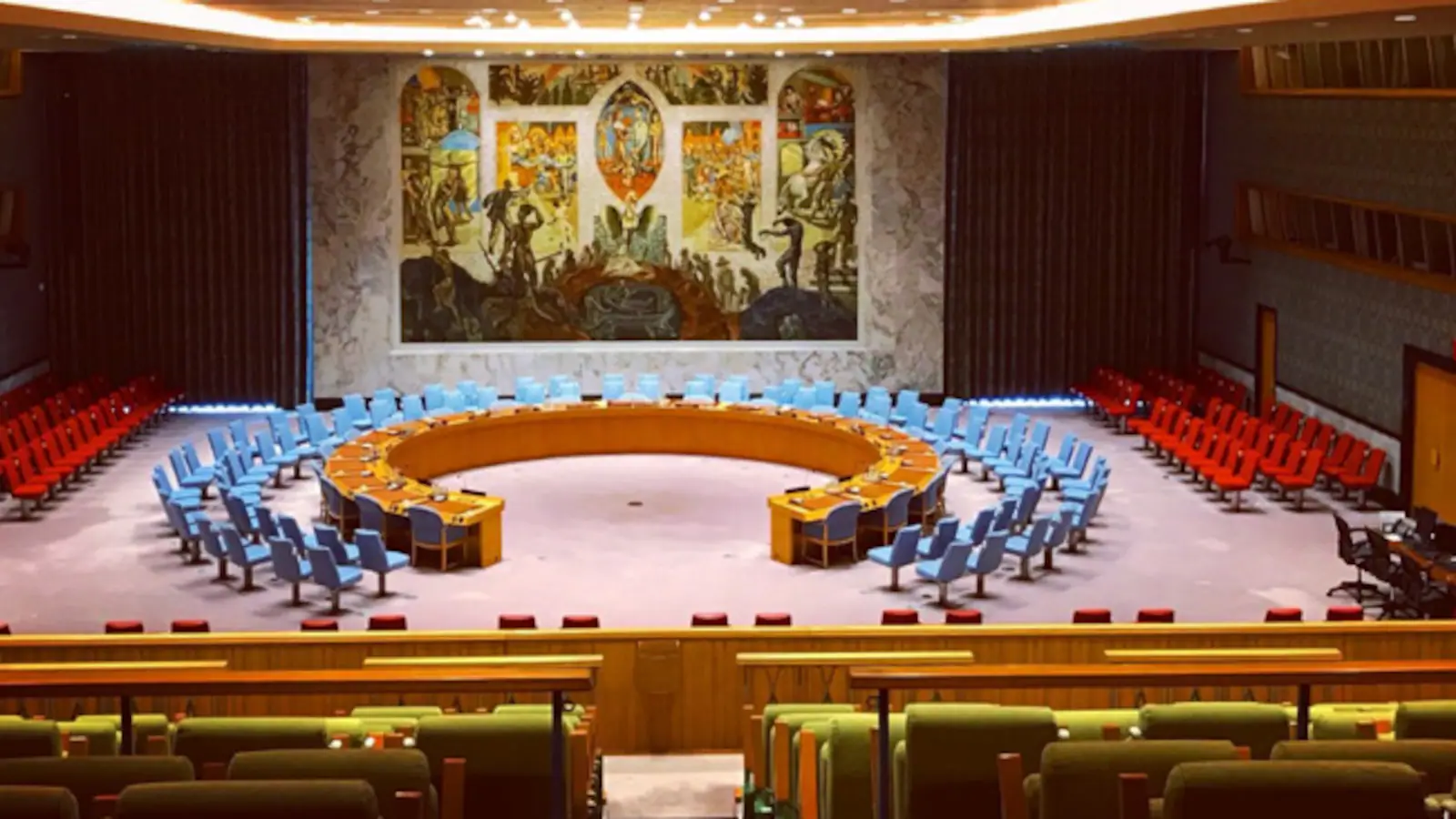
Four influential Central European countries have formally endorsed India’s bid for permanent membership in the United Nations Security Council. The joint endorsement arrived from the Visegrad Group, comprising Poland, Hungary, Slovakia, and the Czech Republic. Furthermore, European diplomats emphasized that modern global governance frameworks require India’s indispensable leadership at the decision-making table. The major diplomatic victory unfolded during high-level bilateral summits held in New York, reports The Indian Express.
The foreign ministers convened on the sidelines of the eighty-first United Nations General Assembly session. External Affairs Minister S Jaishankar participated in the inaugural ministerial dialogue between India and the regional alliance. However, geopolitical discussions quickly focused on urgent reforms needed across multilateral international institutions. Consequently, European envoys reached a unanimous consensus supporting New Delhi’s long-standing permanent council aspirations.
European Leaders Hail India as Rising Superpower
Slovakian Foreign Minister Juraj Blanar delivered the joint declaration during a press briefing alongside Indian representatives. Blanar described India as the undisputed voice of the Global South and an emerging Indo-Pacific superpower. In addition, the Slovak diplomat stressed that representative multilateralism cannot exclude the world’s most populous democracy. The four European nations pledged collective advocacy to advance Security Council expansion proposals, notes ANI News.
Diplomats highlighted India’s constructive contributions toward resolving complex global supply chain disruptions and armed conflicts. Similarly, the Visegrad bloc commended New Delhi’s steadfast commitment to international law and equitable development partnerships. Therefore, European delegates affirmed that elevated Indian stewardship would significantly reinforce global security architecture. They urged fellow member states to overcome entrenched diplomatic paralysis within United Nations committees.
Strengthening India-Visegrad Strategic Ties
The historic meeting marks a pivotal milestone in India’s expanding diplomatic outreach across Central Europe. Bilateral trade volumes between India and Visegrad economies have expanded significantly over recent fiscal quarters. Moreover, strategic cooperation now spans advanced technological innovation, aerospace manufacturing, and resilient renewable energy infrastructure. The ministerial summit formalized mechanisms for regular intergovernmental consultations on pressing security and economic priorities.
Jaishankar expressed profound gratitude to his European counterparts for their resolute and principled endorsement. He emphasized that reformed multilateral institutions remain essential to address interconnected twenty-first-century geopolitical crises. In addition, Indian officials highlighted shared values of democratic governance, economic resilience, and institutional accountability. Consequently, the burgeoning partnership elevates New Delhi’s diplomatic standing across European capitals, observes India Today.
Momentum Builds for Comprehensive UNSC Reform
The current composition of the Security Council reflects geopolitical arrangements established following World War Two. Global leaders increasingly criticize the fifteen-member organ for failing to prevent destructive contemporary wars. Furthermore, prominent regional powers demand equitable representation for developing continents, including Africa, Latin America, and Asia. Developing countries frequently argue that five veto-wielding members cannot monopolize worldwide peace enforcement mandates alone.
India has campaigned vigorously alongside G4 partners Japan, Germany, and Brazil for text-based intergovernmental negotiations. Nevertheless, procedural hurdles and defensive maneuvers by competing diplomatic groupings have stalled formal restructuring initiatives. The decisive endorsement from four European Union members weakens traditional obstructionist arguments significantly. Strategic analysts observe that international support for Indian permanent membership is reaching an unprecedented threshold.
Advancing Global South Priorities on World Stage
New Delhi consistently positions itself as an empathetic bridge connecting developing economies with advanced industrialized democracies. Indian diplomats champion developmental financing, climate equity, and sustainable technological transfers across diverse global summits. Meanwhile, partner nations recognize that India offers balanced mediation capabilities during volatile geopolitical confrontations. Consequently, international support for its permanent seating reflects broad recognition of responsible global leadership.
The Visegrad Group’s unequivocal backing provides vital impetus to New Delhi’s diplomatic calendar this autumn. Indian negotiators will press their advantage during upcoming high-level general debate sessions in New York. Furthermore, policymakers intend to build broad-based coalitions across continents to compel tangible structural voting reforms. The resounding European endorsement confirms that India’s rightful seat at the high table cannot be deferred indefinitely.
Curated news reports, in-depth analysis, and special features by India’s Opinion editorial team.