
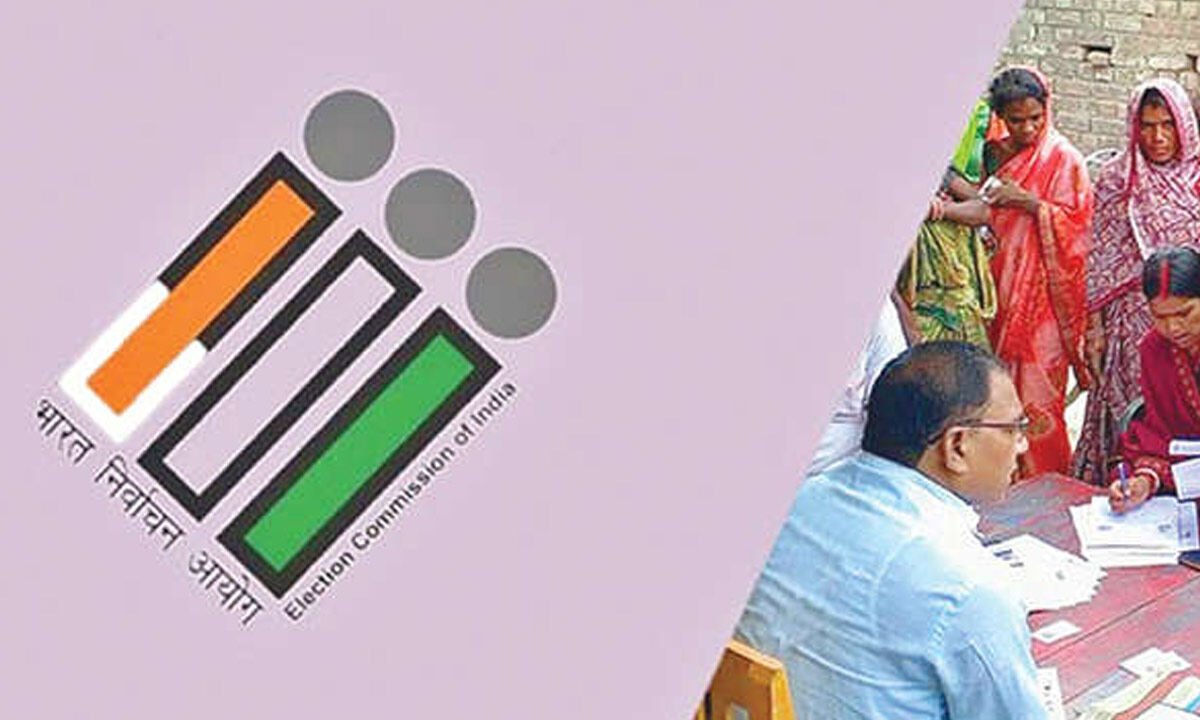
An extensive voter roll audit in Jamshedpur has unsettled the city’s historic Afghan-origin settlement. Local authorities booked three foreign-origin residents for allegedly submitting fraudulent documents during verification. Furthermore, district administrative teams uncovered suspended passport records while scrutinizing draft electoral rosters. Fear quickly gripped hundreds of long-settled community households across the steel city, reports The Indian Express.
The criminal complaint names three cousins residing along Tuila Dungri Lane in Golmuri. Officials identified the primary accused individuals as Ibrahim, Asil, and Aslam. However, relatives maintain that their family has conducted legitimate business locally for decades. Consequently, the formal police registration has sparked widespread bewilderment and anxiety among neighbors.
Discovery of Suspended Passports During Scrutiny
The incident unfolded during the Election Commission’s Special Intensive Revision exercise across Jharkhand. The three men presented photocopied Indian passports to retain active electoral status. In addition, ground-level verification teams forwarded these submissions for secondary technical authentication. The specialized audit revealed that regional passport authorities had already suspended Ibrahim’s passport, notes Times of India.
Dhalbhum Sub-Divisional Officer Arnav Mishra supervised the subsequent investigative inquiry. His administrative team interrogated the accused before dispatching findings to state election headquarters. Therefore, state election officials instructed the district administration to register criminal charges immediately. Subsequently, investigators registered an FIR at Golmuri Police Station under strict statutory provisions, reports Dainik Jagran.
Mass Voter Roll Pruning Across East Singhbhum
The ongoing revision drive has produced massive adjustments across district electoral registries. East Singhbhum previously recorded nearly nineteen lakh enrolled voters before verification commenced. Moreover, booth level supervisors eliminated approximately four lakh invalid or unverified names at the draft phase. Administrative notices reached another four lakh residents facing documentation discrepancies or address mismatches.
Rigorous database cross-checking targets non-citizens who secured official identification documents through irregular channels. Electoral regulations explicitly bar foreign nationals from enrolling on Indian voter registers. Consequently, election magistrates must purge fraudulent entries to protect constitutional integrity. In addition, officials are re-evaluating historical records across neighboring residential wards to identify similar infringements.
Generational Presence Meets Legal Uncertainty
Afghan settlers arrived in industrial Jamshedpur nearly a century ago seeking commercial livelihoods. Many community elders established modest trades in seasonal dry fruits, textiles, and private credit lending. Furthermore, generations of families built homes in neighborhoods like Dhatkidih, Jugsalai, and Mango. Their children grew up speaking Hindi and local dialects, assimilating smoothly into civic society.
Despite deep historical connections, many families never obtained formal Indian naturalization certificates. Community members often relied on informal residency documents and locally issued identity cards. Nevertheless, modern centralized verification algorithms expose gaps between long physical residence and legal nationality. Older residents now dread that routine bureaucratic queries could jeopardize their peaceful existence.
Community Retreats Amid Deepening Apprehension
Following the recent arrests, bustling commercial hubs in Golmuri experienced uncharacteristic stillness. Traders who previously engaged customers openly now avoid speaking with visiting journalists. Meanwhile, community elders advise families to stay indoors and refrain from making public comments. Consequently, anxiety runs high that additional verification notices will arrive at their doorsteps soon.
District administrators assured the public that legitimate citizens face no harassment during verification. They stressed that verification rules apply uniformly without targeting specific demographic groups. Furthermore, authorities urged residents to cooperate by submitting valid citizenship credentials during hearings. The unfolding situation highlights delicate intersections between immigration statutes and generational humanitarian realities.

Curated news reports, in-depth analysis, and special features by India’s Opinion editorial team.