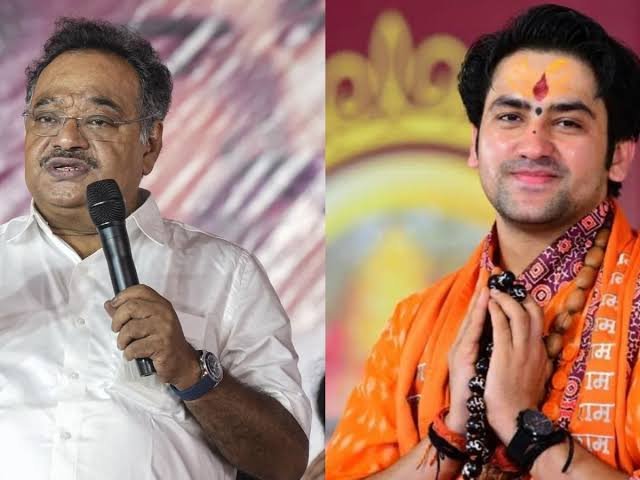
The West Bengal unit of the Bharatiya Janata Party has swiftly countered controversial dietary remarks made by Dhirendra Krishna Shastri. The prominent religious preacher had publicly urged devotees to avoid fish and meat during upcoming Durga Puja celebrations. However, state BJP president Samik Bhattacharya firmly defended Bengal’s historic culinary customs against external dietary prescriptions. The senior parliamentarian declared that Bengali citizens will continue honoring their age-old festive food traditions, according to The Indian Express.
The party moved proactively to contain growing political blowback ahead of crucial festive campaigns. Religious dietary restrictions often provoke intense cultural sensitivity among Bengali Hindu households. Furthermore, non-vegetarian culinary offerings constitute an integral part of centuries-old regional Shakti worship. Consequently, state leaders insisted that spiritual discourses must never encroach upon local festive traditions.
The Preacher’s Diktat and Political Storm
The controversy ignited when Dhirendra Shastri of Bageshwar Dham addressed a massive congregation in Kolkata. During his spiritual discourse, Shastri appealed to followers to shun non-vegetarian cuisine throughout the festive season. Specifically, he argued that consuming animal products during religious observances conflicted with spiritual piety. His unexpected remarks immediately sparked fierce pushback across civil society and regional literary circles, reports The Hindu.
Bengali public intellectuals quickly reminded commentators that eastern religious practices differ vastly from northern rituals. Local culinary habits celebrate fish as an auspicious symbol of prosperity and festive celebration. In addition, eminent spiritual figures like Swami Vivekananda openly defended diverse dietary practices throughout his writings. Therefore, residents viewed the unsolicited dietary sermons as insensitive to regional civilizational realities.
Samik Bhattacharya’s Swift Cultural Rejoinder
Sensing the electoral risk of cultural alienation, state BJP chief Samik Bhattacharya intervened decisively. The Rajya Sabha member publicly rejected any need for controversy surrounding personal food choices. Furthermore, he explicitly affirmed that Bengalis possess an absolute right to preserve their customary diets. The party chief remarked that people should remain authentic to their regional spiritual heritage.
Bhattacharya noted that local religious rituals incorporate specific animal offerings sanctioned by ancient scriptural texts. Forcing uniform dietary practices across diverse linguistic geographies undermines India’s civilizational plurality. Meanwhile, senior party functionaries echoed his remarks across various media interviews and community gatherings. Consequently, the state leadership sought to separate party ideology completely from the visiting preacher’s remarks.
Opposition Seizes on Cultural Imposition Allegations
The ruling Trinamool Congress immediately launched a scathing counteroffensive against the saffron party. TMC spokespersons claimed that the preacher’s sermons reflected a clandestine plan to dictate Bengali culinary choices. In addition, party leaders accused the opposition of attempting to impose northern vegetarian orthodoxy on eastern states. State Congress and Left Front leaders also joined the chorus, condemning external cultural interference.
Opposition leaders highlighted that senior state ministers had previously received the preacher at state accommodations. They alleged that the administration facilitated platforms for religious figures seeking to alter local traditions. However, saffron strategists quickly neutralized the narrative by showcasing their leaders participating in native rituals. Political analysts noted that neither side could afford to alienate traditional Bengali voters before upcoming municipal polls.
Defending Shakta Traditions and Culinary Identity
Leader of the Opposition Suvendu Adhikari delivered an unmistakable symbolic response to settle the raging debate. Adhikari visited Kolkata’s historic Kalighat temple during the auspicious occasion of Kaushiki Amavasya. The senior leader publicly partook in the temple’s traditional fish and pulao consecrated offering. His conspicuous gesture sent a definitive signal rejecting rigid dietary orthodoxy, as reported by The Hindu’s Temple Report.
Party workers shared video footage of the Kalighat meal extensively across regional social media platforms. The public broadcast reaffirmed that local customs remain uncompromised within regional political discourse. Meanwhile, cultural commentators emphasized that Bengal’s syncretic festive joy transcends external theological disputes. The episode demonstrated how deeply regional dietary identity continues to shape West Bengal’s electoral politics.

Curated news reports, in-depth analysis, and special features by India’s Opinion editorial team.