State-run Bharat Petroleum Corporation Limited (BPCL) has addressed ongoing debates surrounding ethanol-blended petrol. BPCL Chairman and Managing Director Sanjay Khanna stated that the industry is exploring the feasibility of offering E10 petrol alongside E20. However, he clarified that there is no decision to replace E20 fuel entirely.
The discussions focus strictly on providing a lower-ethanol choice for older vehicles.
No Move to Replace E20, Focus on Dual Availability
The state-run refiner emphasized that national blending targets remain intact. India completed its nationwide rollout of E20 petrol on April 1. Khanna noted that oil marketing companies can easily manage fuel supply changes.
If the government modifies blending rules, refineries can adapt without operational hurdles. The current policy debate centers on whether older engines require separate fuel access.
Concerns Over Older Vehicles and Mileage Drops
The demand for a dual-fuel option follows feedback from motorists across India. While post-2023 vehicles handle E20 seamlessly, older engines face compatibility challenges.
Many vehicle owners reported minor drops in mileage and higher maintenance costs.
Consumer groups and economic advisers suggested reintroducing an E10 blend. Providing a lower-ethanol option protects pre-2023 two-wheelers and older cars from potential fuel line wear.
Logistical Challenges and Premium 95-Octane Route
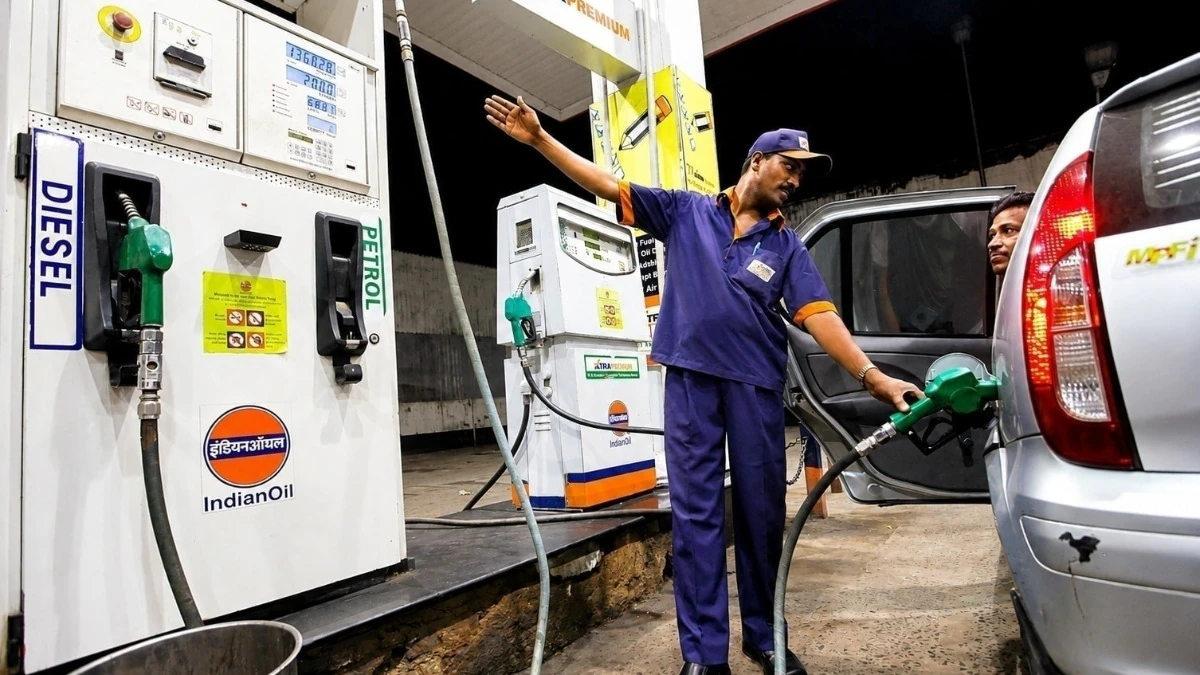
Supplying an additional fuel grade nationwide presents distinct distribution challenges. India operates over one lakh retail petrol outlets with limited underground storage tanks.
Oil companies are evaluating whether to dispense E10 through branded premium variants like Speed and XP95.
This high-octane route utilizes existing dispensing infrastructure without requiring expensive new tanks. The petroleum ministry is currently studying technical and supply chain feasibility reports.
Balancing Green Energy Goals with Consumer Choice
The ethanol blending programme remains a cornerstone of India’s energy security strategy. Blending indigenous bio-ethanol reduces expensive crude oil import bills significantly. It also cuts carbon emissions and supports domestic sugarcane and grain farmers.
Industry experts believe offering a dual-blend mechanism will address consumer anxieties effectively. Policymakers aim to balance green transition milestones with consumer convenience.

Curated news reports, in-depth analysis, and special features by India’s Opinion editorial team.