
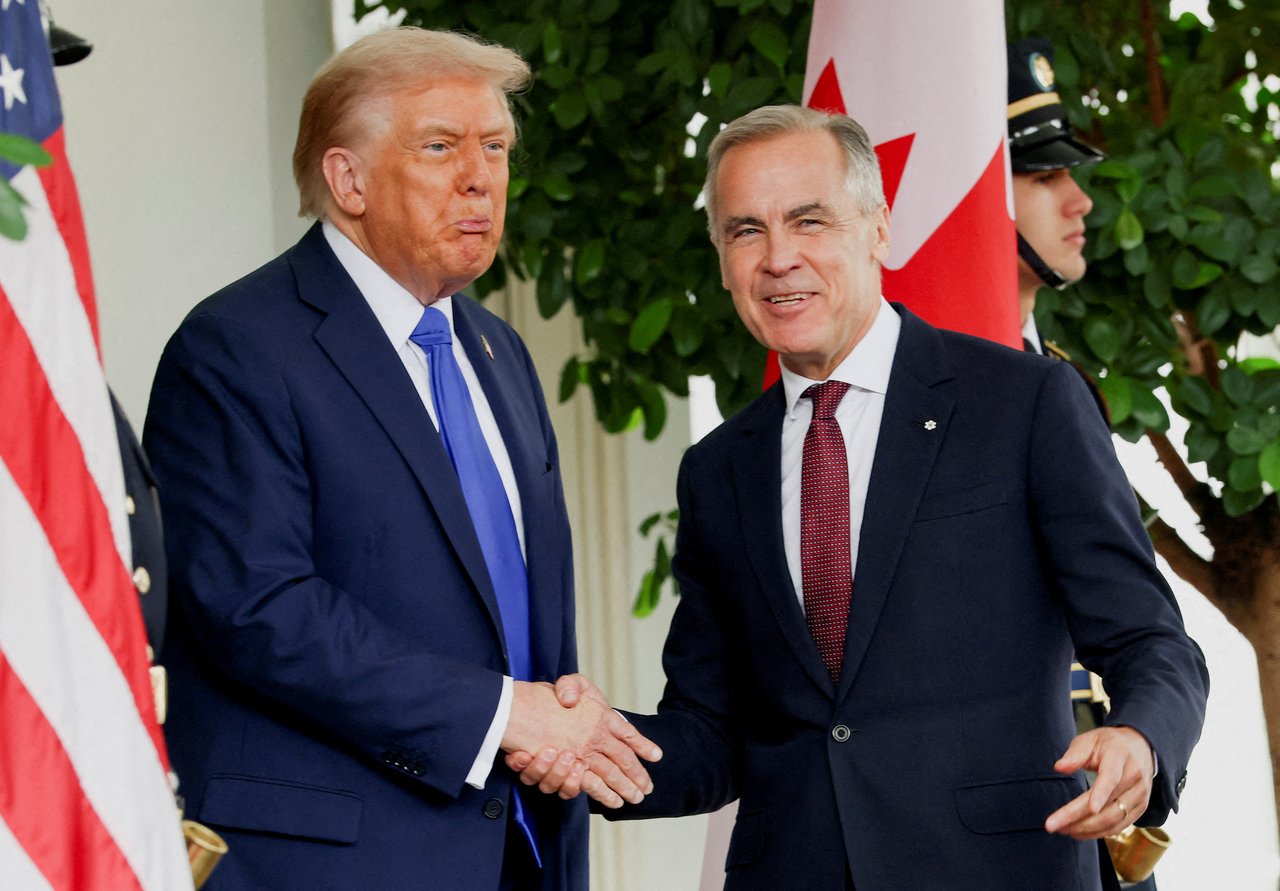
Canadian Prime Minister Mark Carney announced that Canada has suspended bilateral trade negotiations with the United States and recalled its negotiating team from Washington. The sudden breakdown occurred just hours before a midnight deadline. Meanwhile, the Trump administration prepared to enforce a 50 percent tariff on roughly $28 billion worth of Canadian imports.
Carney condemned late revisions tabled by American officials. He declared that Ottawa will not yield to coercive economic terms that threaten domestic industries.
Ottawa Rebuffs Last-Minute US Demands as ‘Unfair and Uneconomic’
In an official statement released by the Prime Minister’s Office, Carney stated that while Canadian negotiators pursued constructive compromises, Washington introduced disruptive eleventh-hour conditions.
Carney noted that these late changes were “unfair, uneconomic, and called into question the reliability of any agreement.”
He emphasized that while Canada remains committed to fair cross-border commerce, the government will never sign a lopsided trade accord at any price or under arbitrary pressure.
Canada Vows Dollar-for-Dollar Retaliatory Tariffs
Following the collapse of negotiations, Carney confirmed that Canada will immediately retaliate against the United States with reciprocal trade measures.
The Canadian government announced plans to match the incoming 50 percent American levies “dollar for dollar” across equivalent US imports. This would shield domestic manufacturers, small businesses, and agricultural producers.
Federal authorities will also unveil a comprehensive financial support package in the coming days. The plan aims to assist Canadian exporters affected by the sudden tariff escalation.
Escalating Trade Standoff Disrupts Cross-Border Commerce
The impasse marks a sharp escalation in North American trade tensions after weeks of high-stakes negotiations over automotive parts, steel, aluminum, and dairy supply management.
US Trade Representative Jamieson Greer claimed that Canada rejected a balanced framework and walked back earlier commitments. He argued this justified the immediate rollout of American levies.
However, business leaders and cross-border trade councils on both sides of the border warned that retaliatory tariffs will raise consumer prices and disrupt supply chains. In addition, they said that the move will complicate broader continental trade partnerships.

Curated news reports, in-depth analysis, and special features by India’s Opinion editorial team.