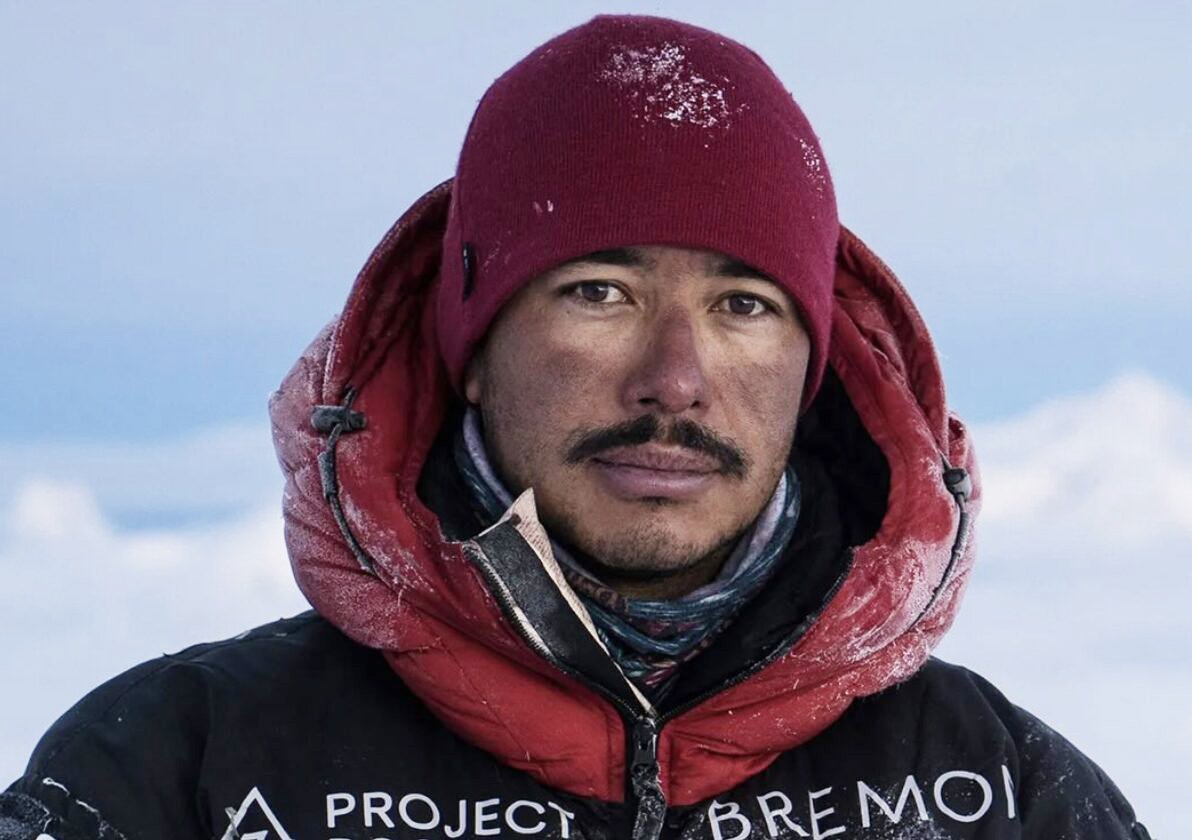
The Nirmal Purja avalanche tragedy has drawn tributes from King Charles III and Prince William after the renowned Nepal-born British mountaineer died on Pakistan’s Broad Peak. The 43-year-old climber was leading an international expedition when an avalanche struck the mountain in the Karakoram range. Rescue teams are still working in dangerous conditions as the search for missing climbers continues
.Purja, widely known as “Nims Dai”, became one of the world’s most recognised high-altitude climbers after completing all 14 mountains above 8,000 metres in record time. His death has now brought renewed attention to the dangers faced by climbers on some of the world’s highest peaks.
Nirmal Purja avalanche triggers royal tributes
King Charles paid tribute to Purja’s unusual journey from military service to international mountaineering fame. The British monarch highlighted his service in the British Army and his later achievements on the world’s highest mountains.
Prince William also expressed his grief. He described Purja as one of the world’s greatest mountaineers and praised his determination, humility and contribution to Nepalese climbing.
The royal tributes reflect Purja’s links with both Britain and Nepal. Born in Nepal, he later became a British citizen and served with the British Armed Forces. His military career included service with the Royal Marines before he turned his attention increasingly toward mountaineering.
Broad Peak becomes the site of tragedy
The Nirmal Purja avalanche occurred on Broad Peak, which rises to more than 8,000 metres in Pakistan’s Gilgit-Baltistan region. The mountain ranks among the world’s highest peaks and forms part of the Karakoram range.
Broad Peak’s extreme altitude creates severe risks for climbers. Weather can change rapidly, while snow and ice conditions can make movement dangerous.
Rescue operations become especially difficult when an avalanche strikes at high altitude.Reuters reported that Purja died alongside nine other climbers after the avalanche.
The multinational group included climbers from Nepal, Pakistan, the United States, Oman and China. Drone footage helped rescuers locate bodies, but difficult terrain has complicated recovery efforts.
The precise circumstances surrounding each climber’s death remain subject to the ongoing recovery operation. Authorities and rescue teams have had to work through severe weather and unstable mountain conditions.
Nirmal Purja avalanche ends record-setting career
Purja gained worldwide recognition in 2019 after completing all 14 of the world’s 8,000-metre peaks in just 189 days. His achievement became known as “Project Possible” and dramatically cut the previous record for completing the same challenge.
The feat included Mount Everest, K2, Kangchenjunga, Lhotse, Makalu and Broad Peak. Purja completed his Broad Peak ascent in July 2019 as part of that record-setting expedition.
His approach to climbing also made him a distinctive figure in modern mountaineering. He frequently undertook demanding climbs at a pace that challenged established expectations about high-altitude expeditions.
His achievements reached audiences well beyond the climbing community after Netflix released 14 Peaks: Nothing Is Impossible. The documentary chronicled his attempt to complete the 14 peaks and helped introduce his story to a global audience.
A career built between military and mountains
The Nirmal Purja avalanche has also revived discussion about the mountaineer’s background. His transition from military service to professional climbing shaped much of his public identity.Purja served in Britain’s Armed Forces after moving from Nepal.
His military experience influenced his approach to preparation, teamwork and endurance. He later established himself as a high-altitude expedition leader and guide.His own organisation, Elite Exped, confirmed his death following the Broad Peak disaster.
The company has been involved in commercial and high-altitude expeditions, reflecting Purja’s expanding role within the climbing industry.
Purja continued climbing even after completing his famous 14-peak challenge. His recent expeditions included further ascents of mountains above 8,000 metres. In May 2026, he recorded his 54th ascent of an 8,000-metre mountain, according to Nepali newspaper Kantipur.
Tributes extend beyond Britain and Nepal
The Nirmal Purja avalanche has prompted an international response from political leaders, climbers and people who followed his record-breaking career.
Nepal’s Prime Minister Balendra Shah was among those who mourned the loss. British officials also recognised Purja’s military background and his influence on mountaineering.
For Nepal’s climbing community, Purja represented a generation of climbers who helped shift international attention toward the country’s high-altitude mountaineering expertise. His achievements also challenged the long-standing image of major Himalayan expeditions as being dominated by foreign climbers.
His death therefore carries a wider meaning for the mountaineering world. It is the loss of an elite climber, expedition leader and public figure who helped bring Nepalese mountaineering to a global audience.
What happens after the Nirmal Purja avalanche
The immediate priority remains the recovery operation on Broad Peak. Weather and terrain will determine how quickly teams can reach the remaining locations and bring victims down from the mountain.The tragedy also raises difficult questions about risk at extreme altitude.
Modern equipment, improved weather forecasting and experienced guides have made some expeditions safer, but they cannot eliminate the dangers created by avalanches and rapidly changing mountain conditions.Purja spent much of his career pushing the limits of what climbers could accomplish in the world’s highest mountains.
The Nirmal Purja avalanche now marks a tragic end to that journey, while his record-setting achievements remain part of the history of modern mountaineering.The recovery effort will determine what happens next for the other climbers and their families.
For the wider climbing community, Purja’s legacy will be measured not only by the records he set, but also by the generation of Nepalese mountaineers he helped inspire.

Curated news reports, in-depth analysis, and special features by India’s Opinion editorial team.