
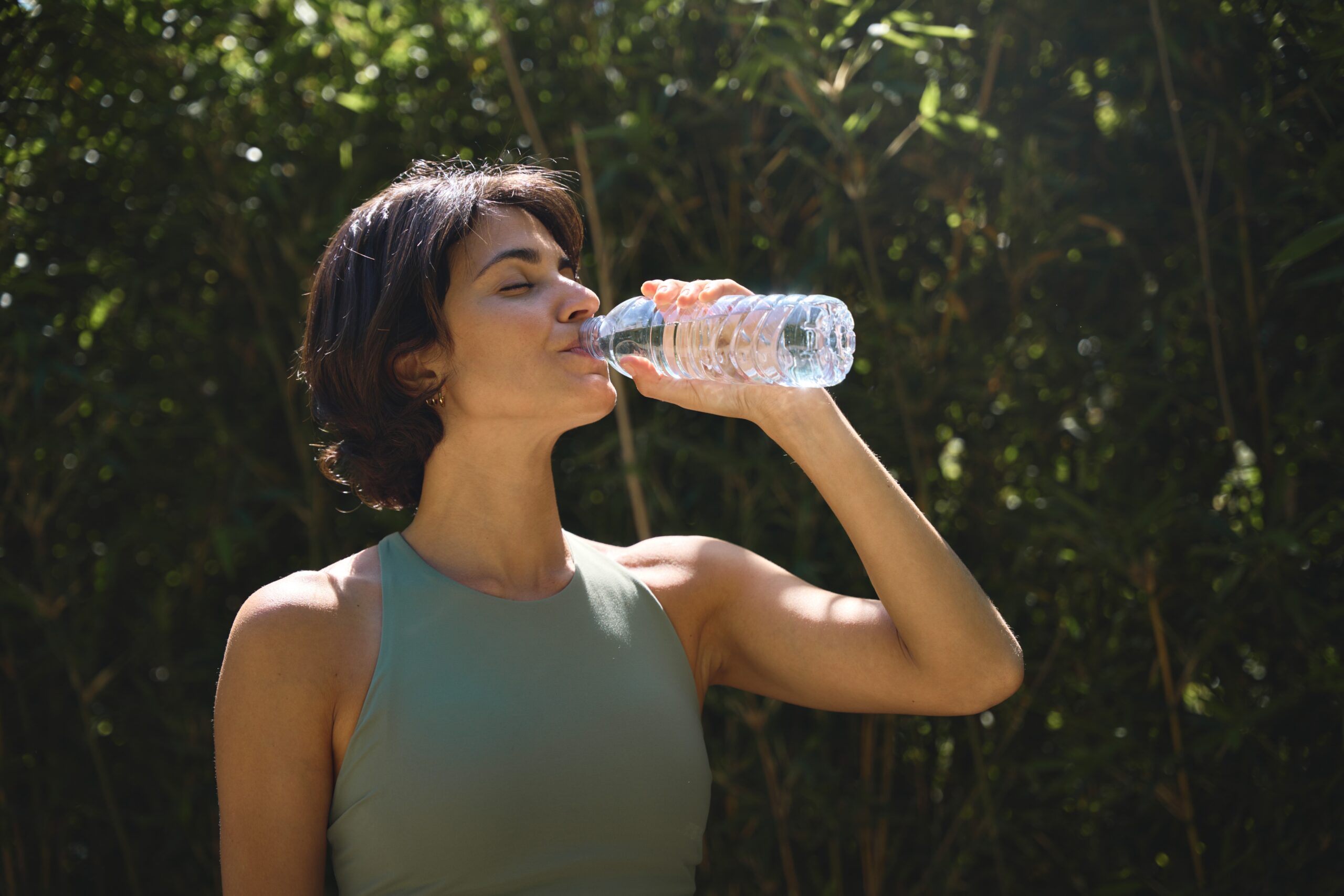
Many people pay attention to diet and exercise but overlook one of the simplest ways to stay healthy. Drinking enough water supports almost every function in the body. Good hydration can improve energy levels, aid digestion, regulate body temperature, and help the brain perform better. During hot weather or periods of physical activity, the body’s water needs increase, making hydration even more important.
Why hydration tips matter
Following simple hydration tips can help prevent dehydration before it starts. Water carries nutrients to cells, removes waste through urine and sweat, and keeps joints lubricated. Even mild dehydration may lead to headaches, fatigue, poor concentration, or dizziness. Children, older adults, and people who work outdoors face a higher risk during the summer.
Health experts generally recommend drinking water throughout the day instead of waiting until you feel thirsty. Thirst often appears after the body has already lost some fluid. The exact amount each person needs depends on age, climate, physical activity, and overall health.
Simple hydration tips for daily life
Start your morning with a glass of water after waking up. Carry a reusable water bottle when travelling or working. Drink water before, during, and after exercise. Eat water-rich foods such as watermelon, cucumber, oranges, tomatoes, and strawberries. These foods increase fluid intake while providing vitamins and minerals.
Limit sugary drinks and excessive caffeine if they replace water. While tea and coffee contribute to daily fluid intake, too many sweetened beverages can add unnecessary calories. People with kidney disease, heart failure, or other medical conditions should follow their doctor’s advice on daily fluid intake.
Signs that your body needs more water
Dark yellow urine, dry mouth, tiredness, muscle cramps, and reduced urination are common signs of dehydration. In severe cases, dehydration can cause confusion, rapid heartbeat, and fainting. Medical attention is necessary if symptoms become serious or persist despite drinking fluids.
Children may show fewer wet diapers, dry lips, or unusual sleepiness. Older adults may not feel thirsty even when they need fluids, so regular water intake becomes especially important.
Building healthy hydration habits
Healthy habits are easier to maintain when they become part of your routine. Set reminders on your phone, keep water within reach, and drink small amounts regularly instead of consuming large quantities at once. These hydration tips can help you maintain good health throughout the year.Doctors advise that water should remain the primary source of hydration for most people.
If you sweat heavily during prolonged exercise or extreme heat, drinks containing electrolytes may help replace lost minerals. Choosing healthy daily habits today can reduce the risk of dehydration and support long-term wellbeing.
Hydration During Summer and Exercise
Hot weather increases fluid loss through sweating. People should drink water before going outdoors and continue drinking at regular intervals during the day. Athletes and outdoor workers may require extra fluids because intense physical activity increases water loss.
Replacing fluids after exercise is equally important. Drinking enough water helps the body recover, supports muscle function, and reduces the risk of heat-related illnesses. Wearing lightweight clothing and avoiding unnecessary outdoor activity during peak afternoon heat can also lower the risk of dehydration.
Building Long-Term Healthy Habits
Building healthy routines does not require major lifestyle changes. Keeping water nearby, choosing water with meals, and including water-rich foods in your diet can make a lasting difference. These hydration tips become easier to follow when they become part of your everyday routine.
Doctors continue to recommend water as the primary source of hydration for most healthy adults. Small daily choices often have a lasting impact on health. Staying hydrated supports physical performance, mental alertness, and overall wellbeing throughout the year.

Arushi Pandey is a postgraduate of the University of Exeter, working across multiple countries to create content that has made a meaningful, lasting impact on communities worldwide.