
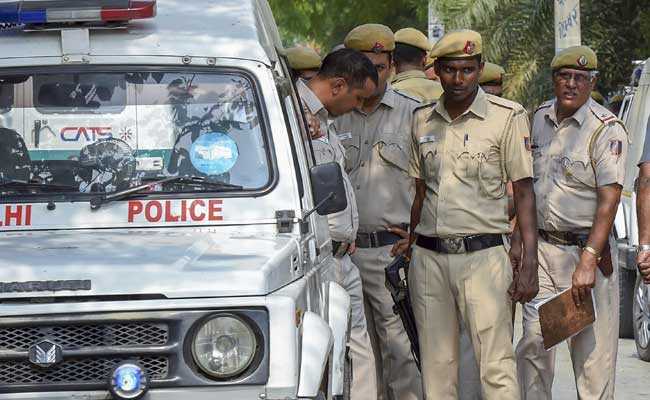
Delhi Police has taken a fresh step to tighten its probe into examination fraud. The force constituted a Special Task Force (STF) within its Crime Branch on Friday to investigate paper leaks and other offences under the Public Examinations (Prevention of Unfair Means) Act, 2024, officers said.
The move comes as the Cockroach Janta Party (CJP) continues protests across the country demanding the resignation of Union Education Minister Dharmendra Pradhan over the alleged NEET paper leak.
Which exams the STF will cover
The unit was formed with the approval of the Commissioner of Police, according to a statement issued Friday. It will investigate offences related to public examinations conducted by agencies including the UPSC, SSC, Railway Recruitment Boards, the Institute of Banking Personnel Selection, the National Testing Agency, and recruitment exams run by central government ministries and departments.
The STF’s mandate also extends to any other examining authority the Centre may notify going forward.
Speedier trials on the agenda
Beyond investigation, officers said the STF will coordinate closely with prosecuting agencies. The stated goal is to ensure expeditious prosecution and day-to-day trial of examination fraud cases, rather than the drawn-out proceedings such cases have often faced in the past.
The task force will be headed by the Deputy Commissioner of Police, Crime Branch. Overall supervision and administrative control will rest with the Special Commissioner of Police, Crime Branch, who officers said will issue directions to ensure effective investigation and diligent prosecution.
Additional Commissioner of Police (Public Relations) Rajeev Ranjan said the STF has been set up specifically to investigate paper leaks and other examination-related offences under the 2024 Act.
Delhi Police described the move on X as “a dedicated step towards ensuring the integrity, transparency and fairness of public examinations.”
Delhi Police’s Crime Branch has handled several high-profile examination fraud cases over the years, including rackets involving impersonation, so-called “solver gangs” and organised cheating networks tied to exams conducted by the SSC and other recruitment bodies. The new STF builds on that experience with a dedicated, standing structure rather than case-by-case task forces.
Part of a wider crackdown
The STF’s formation lands alongside a separate legislative push. The government has approved a draft bill proposing amendments to the Public Examinations (Prevention of Unfair Means) Act, 2024, that would impose up to 10 years in prison and a fine of Rs 10 crore on those found guilty of orchestrating paper leaks. The bill is expected to be tabled in Parliament as the Monsoon Session continues.
With CJP’s protests showing no sign of easing and the government simultaneously pushing tougher penalties through Parliament, the STF’s early cases will be watched closely as a test of whether institutional reform can outpace the political pressure building around the NEET leak.
How quickly the unit moves on existing paper leak investigations may shape whether it’s seen as a genuine course correction or a response timed to the protests.

Curated news reports, in-depth analysis, and special features by India’s Opinion editorial team.