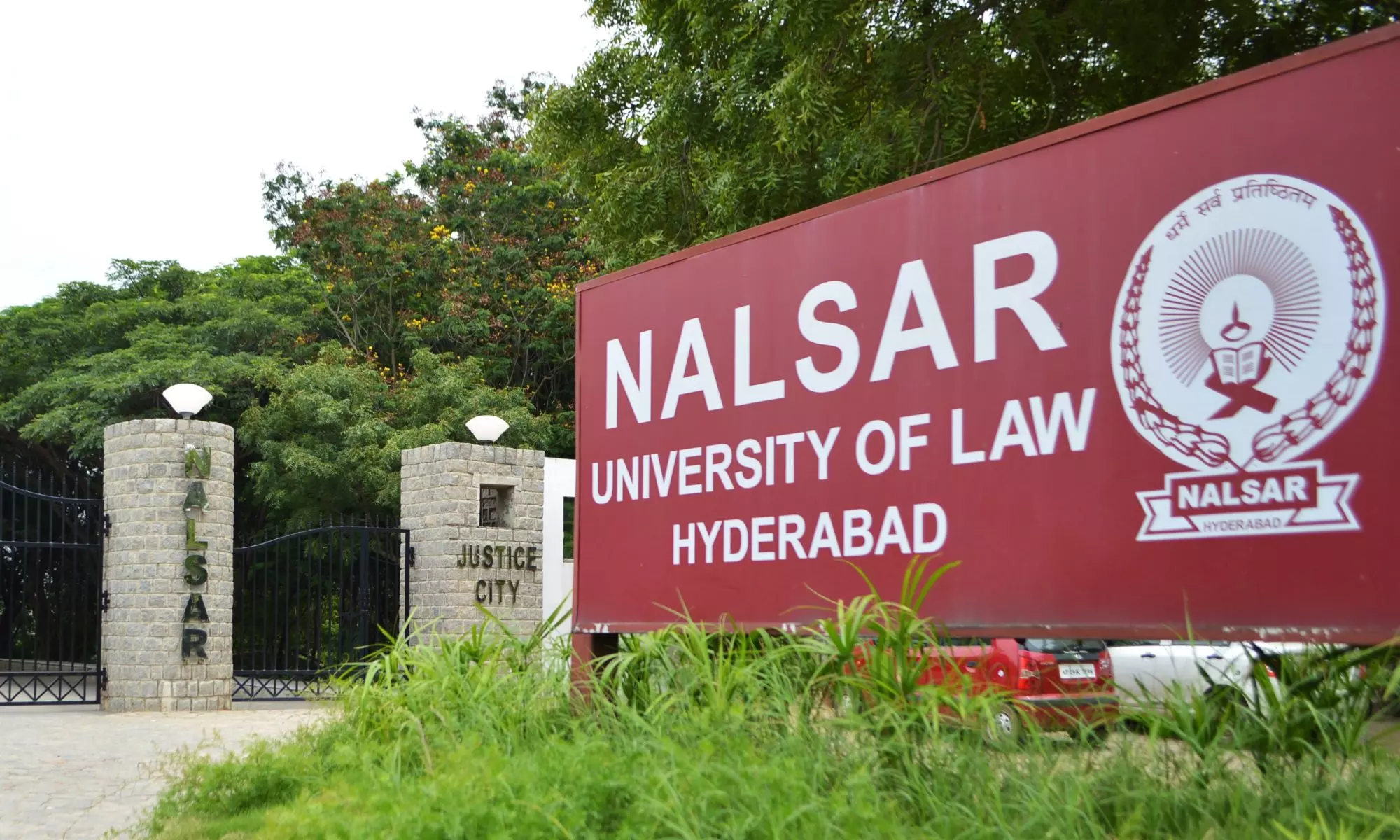
The elected Student Bar Council of NALSAR University of Law has issued a formal statement. The council is demanding an unconditional apology from Bar Council of India chairperson Manan Kumar Mishra. Notably, the NALSAR student body demands apology BCI chairman CJI statement due to the remarks made and the impact on their graduating batch.
The resolution comes shortly after the regulatory body retracted its controversial decision to block the advocate enrolment of the outgoing 2026 graduating batch. This followed sharp criticism from the Supreme Court, reflecting the essence of why the NALSAR student body demands apology BCI chairman CJI statement in the first place.
Supreme Court Raps Bar Council
Hearing a challenge against the regulatory body’s circulars, a Supreme Court bench led by Chief Justice of India Surya Kant came down heavily on the Bar Council of India. The bench stated the regulator had no business interfering in peaceful student affairs, which was a key point when the NALSAR student body demands apology BCI chairman CJI statement.
“If students are protesting peacefully, who is BCI to take action? It is the right of the students to protest peacefully. It is a dialogue between students and me. No one else has to step in,” CJI Surya Kant observed during the hearing, calling the regulatory order “absolutely uncalled for.”
The apex court bench, which also included Justices Joymalya Bagchi and V. Mohana, issued formal notice to the regulatory body. Furthermore, it ordered that no punitive or coercive action be taken against NALSAR students or faculty members. In summary, the NALSAR student body demands apology BCI chairman CJI statement as part of their commitment to student rights and institutional autonomy.
Students Push Back Against Allegations
Following the court’s intervention and the regulatory body’s withdrawal of the enrolment ban, the NALSAR student body condemned the initial action. The students also condemned the language used by the regulator.
The students strongly rejected accusations of “groupism,” “dirty politics,” and claims that faculty members had misguided or instigated the graduating class.
They termed these statements unfounded, malicious, and damaging to the academic reputation of the institution.
Dissent and University Autonomy
In its official letter, the student body asserted that no public authority or constitutional functionary is immune to peaceful scrutiny in a democratic society.
The representation emphasized that law universities exist to foster critical inquiry, debate, and independent thought.
The resolution highlighted that voicing peaceful dissent against a university convocation invite does not constitute professional misconduct. Nor does it give a statutory regulator grounds to police political opinion.
The dispute originated when around 450 NALSAR students signed a representation asking the university administration to reconsider inviting Chief Justice Surya Kant as the chief guest for their upcoming convocation.
In response, the Bar Council of India briefly issued directives blocking state bar councils from enrolling the entire 2026 batch.
The move faced widespread backlash from legal experts, alumni networks, and senior members of the bar. As a result, the regulatory body closed proceedings, and the Supreme Court stepped in to protect student rights.

Curated news reports, in-depth analysis, and special features by India’s Opinion editorial team.