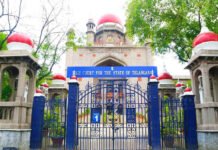
Expressing “strong disapproval,” the Supreme Court pulled up the Bar Council of India (BCI) for issuing a directive. This directive barred state bar councils from enrolling 2026 law graduates of Hyderabad’s NALSAR University of Law as advocates.
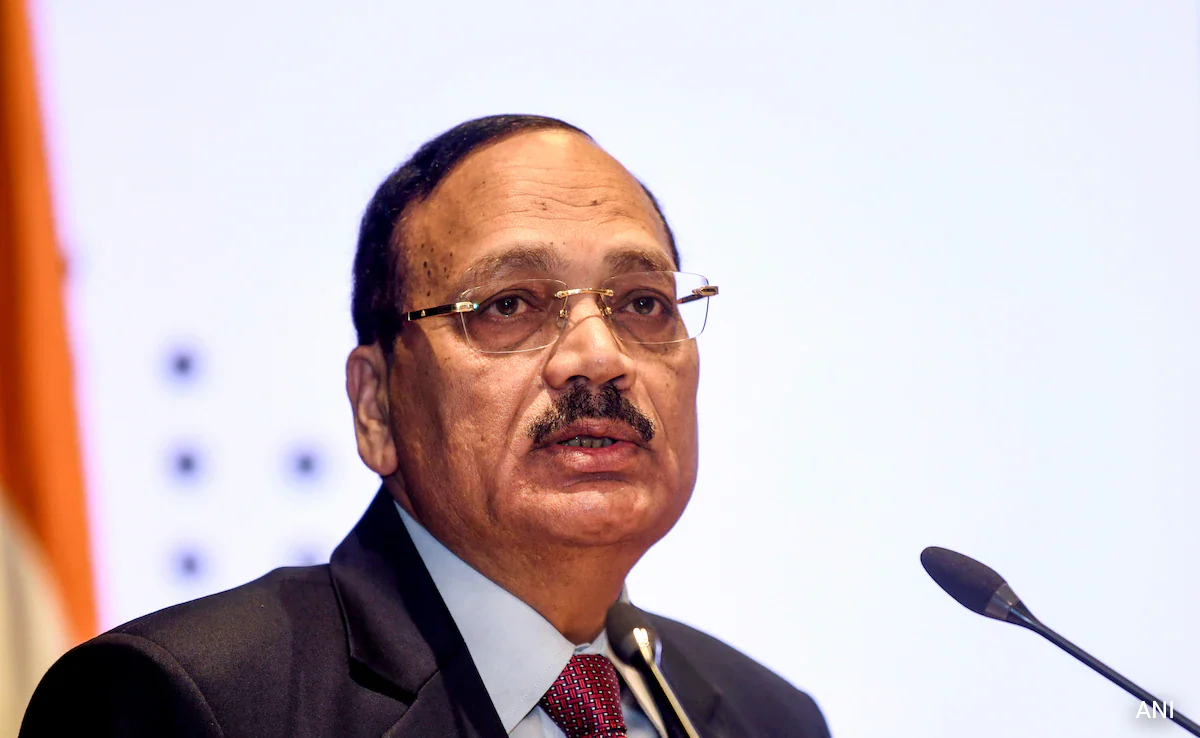
A bench headed by Chief Justice of India (CJI) Surya Kant, alongside Justices Joymalya Bagchi and V. Mohana, stayed any punitive or coercive action against NALSAR students and faculty members. Moreover, emphasizing the fundamental right to peaceful protest, CJI Kant underlined that the ongoing controversy was a personal matter between him and the student community.
“If students are protesting peacefully, who is BCI to take action? It is the right of the students to protest peacefully. It is a dialogue between students and me. No one else has to step in,” CJI Surya Kant observed during the hearing. He further termed the BCI’s directive “absolutely uncalled for.”
What Triggered the BCI Action?
The controversy stems from an internal campaign by a section of NALSAR law students who opposed inviting CJI Surya Kant as the chief guest. This was for the university’s upcoming convocation ceremony.
In response to the student representation, the BCI issued a sweeping order. It directed state bar councils across the country to withhold the advocate enrolment of the entire 2026 graduating batch of NALSAR. This would be pending a factual inquiry into who initiated, drafted, or coordinated the campaign.
The BCI’s blanket restriction triggered widespread outrage from legal fraternity members and legal rights groups. These groups termed the move “arbitrary, illegal, and disproportionate.”
Backtrack by the Bar Council
Following public backlash and court intervention, the BCI modified and eventually recalled its ban on the enrolment of NALSAR graduates.
In a revised communication, the regulatory body acknowledged that the vast majority of the 2026 graduating class had no intention to cause disrespect and should not suffer. This was due to the alleged actions of a few individuals.
The BCI noted it was investigating whether external entities or faculty members instigated the students.
Supreme Court Directions
Taking cognizance of the regulatory overreach, the apex court issued formal notices. It sought a response from the Bar Council of India regarding its circulars.
The top court reiterated that students hold the democratic right to express dissent peacefully. They should not fear statutory repercussions on their professional careers. The bench scheduled the matter for detailed hearing after two weeks.

Curated news reports, in-depth analysis, and special features by India’s Opinion editorial team.