Delhi’s Chief Electoral Officer published the draft electoral rolls on Monday. The exercise falls under the Special Intensive Revision, or SIR. The numbers are striking. Out of Delhi’s 1.45 crore total voters, 47.7 lakh electors were left out. That’s roughly a third of the capital’s entire voter base.
Why So Many Names Were Dropped
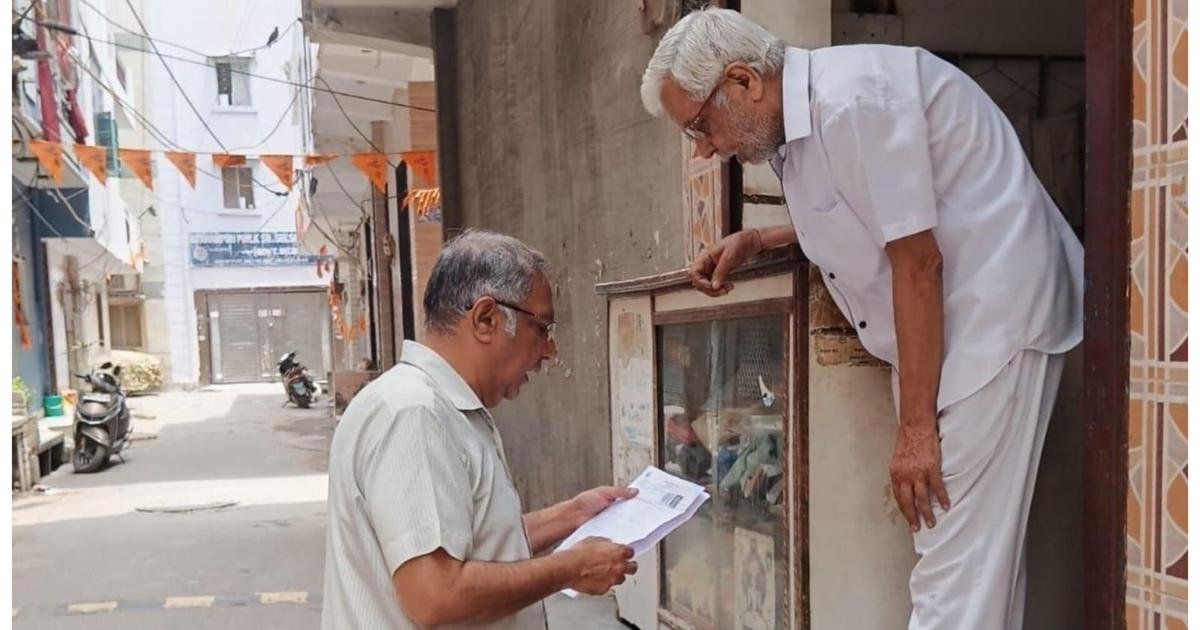
Officials digitised forms for about 67.18 percent of Delhi’s 1,45,10,299 registered electors. The remaining 47.7 lakh fell into a category the Election Commission calls ASDDO. That stands for Absent, Shifted, Dead, Duplicate and Others. Voters in any of these groups got excluded from the draft.
How Voters Can Get Back On the Roll
The exclusion isn’t final. Anyone left out can file a claim. They need Form 6 and supporting documents. The deadline is September 30. Officials will then review these claims and objections. That process wraps up by October 29. Delhi’s final electoral roll comes out November 4.
How Delhi Compares to Other States
Delhi’s exclusion rate stands out. The nationwide SIR exercise has already trimmed rolls sharply elsewhere. Phase 2 covered 12 states and Union Territories, starting October 27. The electorate there fell from 50.90 crore to 44.40 crore. That’s about 6.5 crore names removed.
Uttar Pradesh was the largest state in that round. It excluded 2.89 crore voters, or 18.70 percent of its electorate. The reasons: deaths, permanent migration, or multiple registrations. Bihar ran an earlier, separate SIR. It removed about 65 lakh of 7.89 crore voters, roughly 8 percent. Close to 3 lakh got added back later during claims and objections.
Delhi’s exclusion rate sits near 33 percent. That’s markedly higher than most other states have recorded so far.
What SIR Is Meant to Do
The Election Commission says SIR has two goals. First, make electoral rolls more transparent and error-free. Second, weed out foreign illegal migrants by checking place of birth. The exercise comes amid broader crackdowns on illegal migrants in several states, including those from Bangladesh and Myanmar.
Election officials have flagged one consistent pattern. Enumeration form collection runs lower in urban areas than rural ones. That could help explain why fully urban Delhi shows a higher exclusion rate than mostly rural or mixed states.
What Happens Next
The claims window stays open until September 30. The final roll arrives November 4. The real question now: how many of the 47.7 lakh excluded voters are genuine electors who simply missed the enumeration process? And how many were correctly flagged as dead, duplicate, or shifted? Delhi’s numbers diverge sharply from o

Curated news reports, in-depth analysis, and special features by India’s Opinion editorial team.