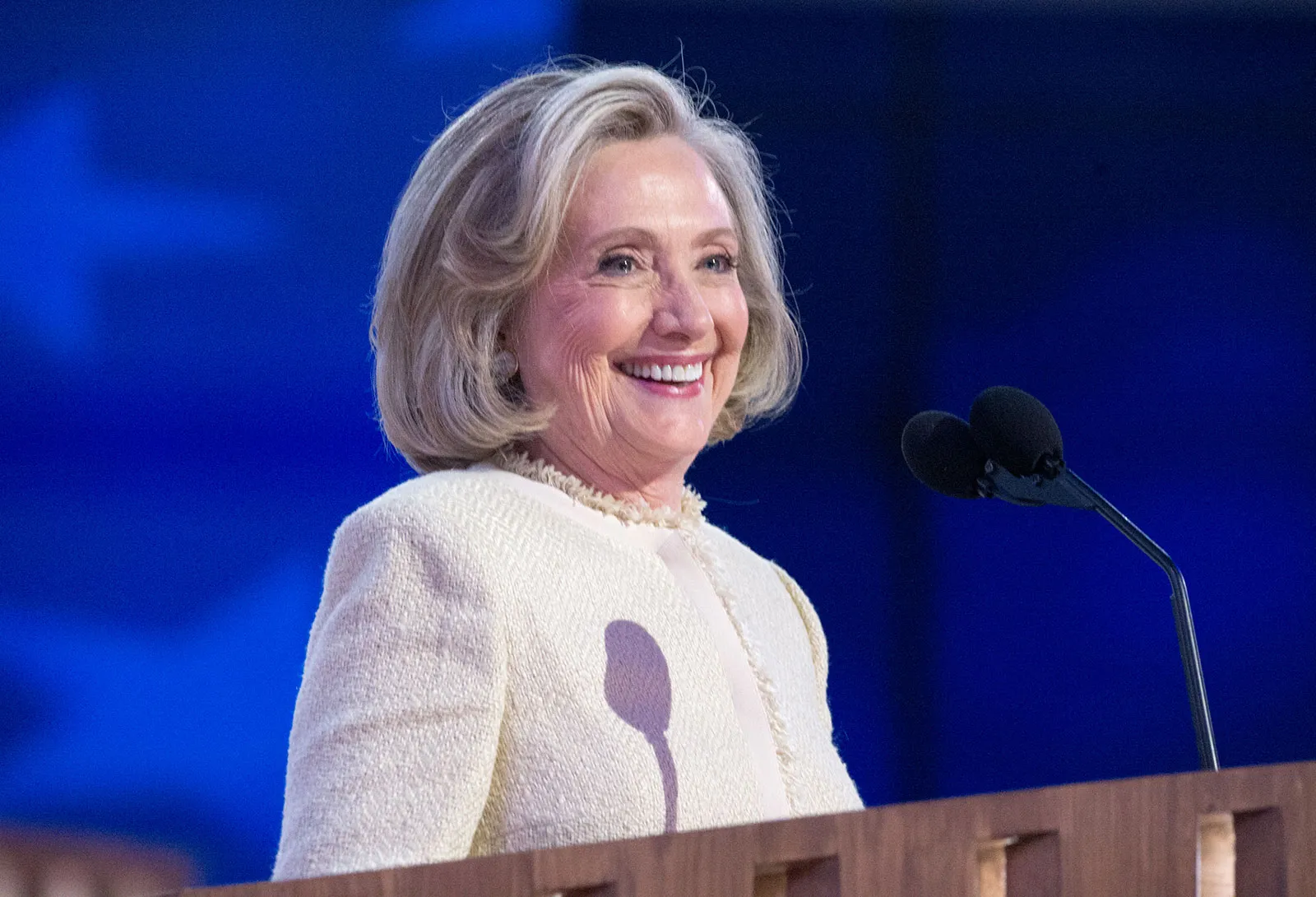
Former US Secretary of State Hillary Clinton has outlined a potential diplomatic exit strategy for the Middle East crisis. She stated that India and China could hold the key to helping President Donald Trump end the escalating conflict with Iran. Clinton pointed to both Asian economic giants’ deep trade relationships and substantial energy purchases from Tehran. She argued that engaging these influential partners provides a practical diplomatic off-ramp from the ongoing military and economic deadlock.
Leverage of Asian Energy Markets Over Tehran
Clinton emphasized that Asian nations possess unique economic leverage over Iranian policymakers. China remains the largest buyer of Iranian crude oil and petrochemicals.
India also maintains long-standing historical, cultural, and trade connections with Iran. While American sanctions isolate Western markets from Tehran, Asian demand sustains Iran’s economy.
Clinton noted that Washington cannot alter Iranian behavior through unilateral isolation alone. Direct engagement with Asian capitals could create powerful incentives for Tehran to return to the negotiating table.
Limits of Unilateral Sanctions and Operation Economic Outcast
The former diplomat cautioned that broad unilateral measures often produce diminishing returns. The Trump administration recently intensified penalties under its ‘Operation Economic Outcast’ initiative.
These sanctions target third-party intermediaries and international shipping networks worldwide. However, aggressive penalties often push trade into informal shadow channels.
Clinton suggested that punitive actions without diplomatic alternatives risk entrenching adversaries. Working alongside regional trading partners creates a more coordinated and effective diplomatic framework.
Strategic Chokepoints: The Strait of Hormuz Crisis
Rising security threats around crucial maritime corridors have alarmed major global economies. The Strait of Hormuz handles nearly one-fifth of global petroleum shipments daily.
Hostile drone strikes, tanker seizures, and military posturing have disrupted vital commercial transit. These disruptions have driven global crude oil prices past $100 per barrel.
Asian economies face direct economic harm from maritime blockades in the Gulf. Clinton noted that securing these waterways requires international consensus rather than unilateral Western naval patrols.
Lessons from Past Diplomacy and the Search for an Off-Ramp
Clinton drew on her experience leading US foreign policy to advocate for multilateral negotiation. She previously helped lay the diplomatic groundwork for international nuclear talks with Iran.
Clinton warned that prolonged military standoffs can quickly spiral into unmanageable regional wars. Political leaders often struggle to exit conflicts without appearing weak to domestic voters.
Partnering with neutral global powers offers a face-saving exit path for all sides. International mediators can structure balanced security agreements that protect regional stability.
Global Economic Stakes and the Push for Multilateral De-escalation
International analysts increasingly view Asian diplomacy as essential to resolving Gulf tensions. Both New Delhi and Beijing prioritize uninterrupted energy flows and maritime peace. Their diplomatic involvement could help freeze further military escalation across the Middle East.
By leveraging shared economic interests, the US could achieve durable regional security. Clinton concluded that collaborative multilateral diplomacy remains the most realistic route to avoid economic calamity.

Curated news reports, in-depth analysis, and special features by India’s Opinion editorial team.