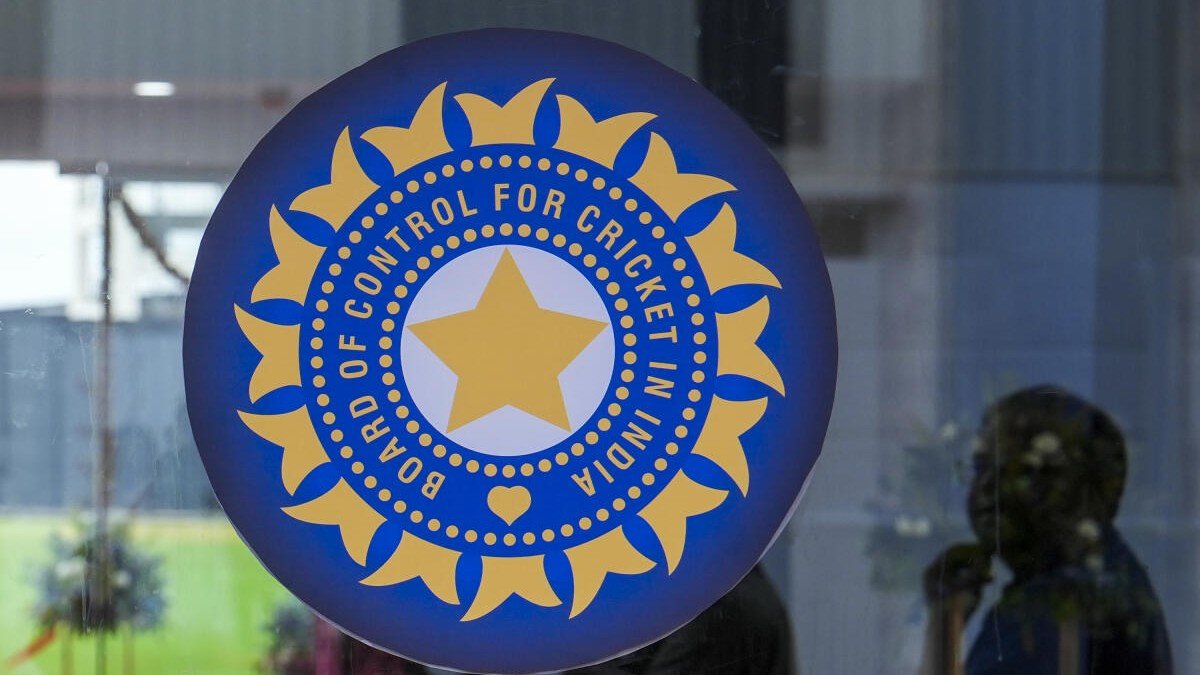
The Board of Control for Cricket in India (BCCI) is facing an unprecedented commercial impasse in finding a title sponsor for Team India’s home bilateral series. The cricket board raised the reserve base price to a steep ₹4.75 crore per match in its latest Invitation to Tender (ITT). However, corporate brands have hesitated to acquire the multi-year rights at this aggressive valuation.
Consequently, the August 13 deadline passed without a formal agreement, forcing the world’s richest cricket board to rethink its sponsorship strategy ahead of a packed home calendar.
From Paytm and Mastercard to IDFC First Bank
The pricing debate highlights the rapid escalation of cricket property costs in India over the past decade. Fintech major Paytm originally held the title rights between 2015 and 2022 at ₹3.8 crore per fixture before transferring the remaining term to Mastercard.
In August 2023, IDFC First Bank secured a three-year agreement at ₹4.2 crore per game, generating nearly ₹250 crore across international and domestic fixtures.
However, the BCCI’s decision to push the floor price up to ₹4.75 crore per match has tested the financial appetite of corporate marketing departments.
Shifting Advertising Budgets and the Growing Draw of Tournaments
Industry experts point out that corporate marketing strategies have evolved rapidly in recent years. Major brands now prefer to channel their capital into high-intensity tournament properties like the Indian Premier League (IPL) and ICC World Cups.
These marquee events provide concentrated television viewership and digital reach over a compact window. In contrast, bilateral home series often feature predictable one-sided contests or second-string opposition, leading to lower television ratings and diminishing returns on investment.
Stringent Exclusions and Blocked Categories Shrink the Bidder Pool
The pool of eligible corporate suitors has also shrunk due to tight regulatory guidelines and brand conflicts. To qualify, bidding companies must show an average annual audited turnover or net worth of at least ₹100 crore over the last three years.
In addition, the BCCI strictly banned cash-rich sectors, including real-money gaming, fantasy sports, cryptocurrency, Web3 platforms, betting, alcohol, and tobacco. Furthermore, existing board partnerships block companies dealing in sportswear merchandise, tyres, and paints from bidding.
These extensive restrictions eliminate many startup and consumer categories that traditionally funded large sports sponsorships.
Private Discussions Underway Ahead of a Packed Home Season
To resolve the deadlock, BCCI officials have started direct negotiations with selected corporate players.
Tech brands like Google Gemini and auto-retail platforms like Spinny have reportedly held initial exploratory talks with board executives.
However, the gap between the board’s valuation expectations and corporate budget limits remains the primary sticking point.
The BCCI hopes to finalize a commercial partner soon, as India prepares to host major bilateral tours across Test, One-Day International, and T20I formats in the coming months.

Curated news reports, in-depth analysis, and special features by India’s Opinion editorial team.