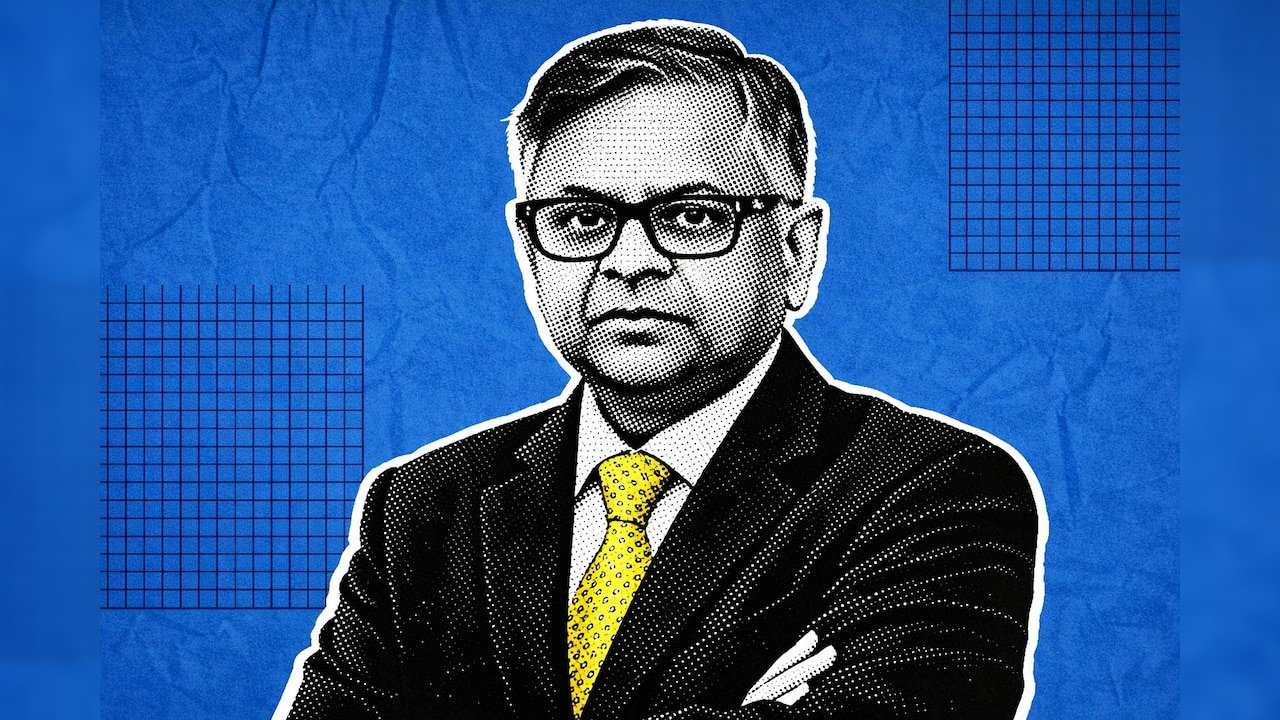
The Tata Group is heading for a leadership change after N Chandrasekaran decided not to seek another term as chairman of Tata Sons. His announcement comes days before the company’s August 18 annual general meeting and closes a leadership chapter that began in 2017.
Chandrasekaran will continue in the role until his current term ends in February 2027, according to reports. His decision removes immediate uncertainty over whether he would seek another term, while putting succession planning at the centre of attention for India’s largest business conglomerate.
Why Tata Sons chairman N Chandrasekaran is leaving
Chandrasekaran said he has completed 40 years of professional life within the Tata Group. He described his decade leading Tata Sons as an honour and a responsibility. He also said the group needs clarity over its future leadership.
The announcement follows months of tension between Tata Sons and Tata Trusts, which hold about 66% of Tata Sons. Reuters reported that disagreements involved the proposed listing of Tata Sons, board representation and other governance questions.
The leadership dispute also involved Noel Tata, chairman of Tata Trusts. Reports indicate that his opposition contributed to uncertainty around Chandrasekaran’s proposed reappointment. However, the precise internal discussions have not been publicly disclosed in full.
The Tata Trusts factor
Tata Sons occupies a unique position within the group because it acts as the principal holding company for many Tata businesses. Tata Trusts remain its dominant shareholder, creating a governance structure where business leadership and philanthropic ownership intersect.
That structure has shaped previous leadership disputes. The 2016 removal of Cyrus Mistry exposed deep disagreements over strategy and governance. Chandrasekaran later succeeded Mistry and became the first non-Parsi professional to lead the group.
Chandrasekaran’s decade at the top
Chandrasekaran joined the Tata Group in 1987 and rose through Tata Consultancy Services, eventually becoming its chief executive. He took charge of Tata Sons in February 2017 after the turbulent Mistry episode.During his tenure, the group expanded its presence across technology, aviation, electronics, manufacturing and consumer businesses.
Tata’s acquisition of Air India brought the national carrier back under Tata ownership and became one of the most visible moves of his chairmanship.His period also included major investments in India’s electronics manufacturing ambitions and the group’s partnership with Apple-related supply chains.
At the same time, several businesses have faced pressure, including Air India and Jaguar Land Rover.
Chandrasekaran also oversaw efforts to strengthen the balance sheets of businesses such as Tata Steel and Tata Motors. Reuters’ analysis said most listed Tata companies had outperformed the Nifty 50 during his tenure, although the group has faced growing challenges in some core businesses.
Why investors reacted immediately
Markets responded sharply to the announcement. Tata Group shares fell during Wednesday’s trading session, with TCS among the biggest decliners.
Reports put the fall in TCS shares at around 5% at one point.The reaction reflects more than sentiment around one executive. Investors are now watching whether Tata Sons can produce a clear succession plan while maintaining strategy across a sprawling collection of businesses.
TCS holds particular importance because its dividends contribute heavily to Tata Sons’ income. Any prolonged uncertainty around leadership could therefore affect investor confidence beyond the holding company itself.
The succession question
The immediate challenge is finding a successor capable of balancing the interests of Tata Trusts, Tata Sons and the group’s operating companies.
The next chairman will also inherit major decisions involving Air India, Tata Motors, TCS and the group’s wider investment strategy.
Unlike a conventional corporate succession, the Tata structure requires the chairman to navigate both commercial priorities and the influence of charitable trusts.
That makes the appointment more consequential than a routine boardroom transition.The August 18 annual general meeting will provide an early test of how the group manages the transition.
Chandrasekaran’s current term, however, continues until February 2027, giving Tata Sons several months to settle the succession question.
What comes next for the Tata Group
The departure of Tata Sons chairman N Chandrasekaran marks another major leadership transition in the group’s modern history.
It also brings renewed attention to the relationship between Tata Sons and Tata Trusts, particularly after years of debate over governance and strategic direction.For now, the group faces a delicate balancing act. It must maintain confidence in its businesses while selecting a successor who can command support across its unusual ownership structure.
The next chairman will inherit a company with global ambitions, major investments and several unresolved strategic questions. How Tata Sons handles that succession could shape the direction of the Tata Group for years to come.

Curated news reports, in-depth analysis, and special features by India’s Opinion editorial team.