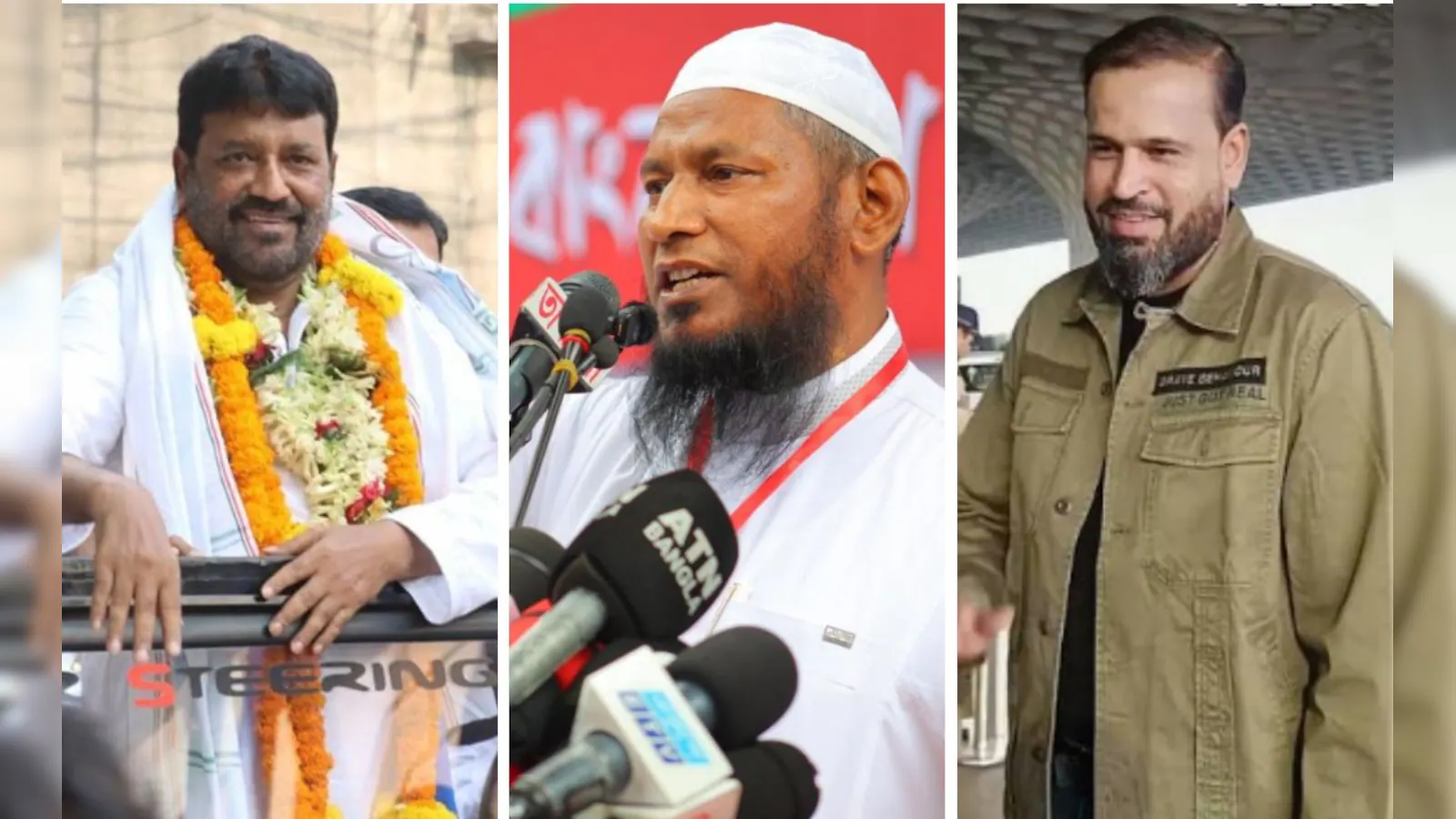
Internal friction has surfaced within the newly formed Nationalist Citizens Party of India (NCPI) after three of its Lok Sabha MPs broke ranks over growing ties with the Bharatiya Janata Party (BJP). Parliamentarians Abu Taher Khan (Murshidabad), Khalilur Rahaman (Jangipur), and Yusuf Pathan (Baharampur) skipped multiple meetings of the ruling National Democratic Alliance (NDA) held at Parliament House in New Delhi.
The three lawmakers, who previously crossed over from the Trinamool Congress (TMC), publicly distanced themselves from the BJP-led coalition. Speaking on the Parliament premises, Abu Taher Khan affirmed that they would not join the NDA or support policy decisions perceived as detrimental to minority communities in their constituencies.
Voter Concerns and Constituency Pressures Drive Separation
Sources indicate that the three MPs represent Muslim-majority districts in West Bengal, where local voters voiced strong reservations regarding their perceived alignment with the BJP.
In response to growing grassroots pressure, the lawmakers chose to boycott the NDA’s parliamentary party gatherings, including high-level sessions attended by Prime Minister Narendra Modi, Home Minister Amit Shah, and BJP President Nitin Nabin.
Despite skipping alliance-wide meetings, the three MPs clarified that they would continue attending state coordination meetings with West Bengal Chief Minister Suvendu Adhikari to address developmental and infrastructure projects in their respective regions.
Khan emphasized that participating in governance dialogues for constituency welfare does not equate to joining the BJP or accepting NDA membership.
Strategic Significance for Recognition Under Anti-Defection Laws
The public discord among NCPI lawmakers carries significant legal implications for the 20-member breakaway group. Formal recognition of the NCPI as an independent parliamentary bloc remains pending before Lok Sabha Speaker Om Birla.
To qualify for protection under the anti-defection law, the dissident faction must demonstrate that it represents at least two-thirds of the TMC’s original 28 Lok Sabha members.
If the three Murshidabad lawmakers formally separate from the NCPI, the group’s numbers could drop below the required legal threshold, leaving remaining members vulnerable to disqualification proceedings.
However, NCPI floor leader Sudip Bandyopadhyay sought to play down reports of division, stating that all members remain committed to public service and united within the party.
Prime Minister’s Outreach and Ongoing High-Level Engagement
In an effort to address internal concerns and ease tensions, Prime Minister Narendra Modi hosted a breakfast meeting at his residence for NCPI parliamentarians, including the three dissenting MPs. During the interaction, the lawmakers raised key regional concerns, including border infrastructure proposals, noise regulation enforcement, and pending legal cases involving local residents.
While PM Modi assured the MPs of equitable support for regional development, the three lawmakers reaffirmed that their legislative focus will remain on protecting communal harmony and advancing infrastructure in West Bengal.
Party leaders expect further internal consultations as the NCPI navigates its position in Parliament.

Curated news reports, in-depth analysis, and special features by India’s Opinion editorial team.