
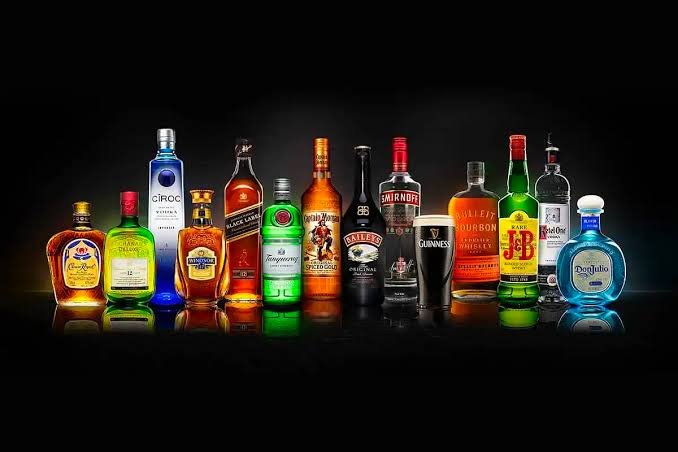
A new regulatory dispute over one of India’s best-selling whiskies has put alcohol labelling and ageing claims under the spotlight. India’s food safety regulator has warned Diageo that a claim on Royal Challenge whisky saying it was “matured in American oak casks” could mislead consumers.
The warning came in a confidential notice dated July 20 and reviewed by Reuters. According to the notice, the product contains grain neutral spirit as its second ingredient after demineralised water. A major portion is described as non-matured spirit.
Diageo India, the local unit of United Spirits, said it remains committed to quality standards. It is engaging with the Food Safety and Standards Authority of India to address its questions about labelling.
The dispute comes days after FSSAI barred sales of some Diageo and Inbrew spirits produced in particular Indian states. The ban was over concerns about artificial or “nature identical” flavouring. The companies have disputed the regulator’s interpretation of the rules.
What FSSAI says about the whisky label
The regulator’s central concern involves the difference between what the front label suggests and what the product contains. According to the July 20 notice, FSSAI said the whisky’s claim that it was matured in American oak casks did not accurately describe the entire alcoholic component.
The regulator argued that the major portion of the spirit was not matured in wood casks. It also said any age-related claim about a blended spirit should refer to the youngest spirit used in the blend. That raises a broader consumer question.
When a product prominently highlights maturation in oak, buyers may reasonably associate the claim with the character and ageing of the spirit itself.
FSSAI also questioned the label’s reference to “Scotch”. According to the notice, the regulator wanted Diageo to provide clearer information about the Scotch component used in the blend.
Why maturation matters in whisky
Maturation is not simply a marketing term. The interaction between spirit and wood can influence colour, aroma and flavour. Whisky producers typically age spirit in wooden casks for a defined period. This period depends on the type of whisky and the applicable regulations.
The cask can contribute compounds that alter the character of the spirit over time. A blended product can contain spirits of different origins and ages.
That makes precise labelling important because consumers may interpret a maturation claim differently from a reference to only one component of a blend.
The FSSAI dispute centres on that distinction.
Diageo’s position
Diageo has not accepted that its labelling practices are improper. The company told Reuters that its Indian business remains committed to high quality standards and is actively engaging with FSSAI over the regulator’s questions.
That response is important because the regulatory notice represents the food safety authority’s position, not a final judicial determination that the company deliberately misled consumers.
The dispute could therefore develop through further discussions between the regulator and company, or through legal proceedings if the disagreement remains unresolved. Diageo has already challenged a separate FSSAI action involving its rum products, according to Reuters.
A wider crackdown on spirits
The Royal Challenge dispute is not an isolated regulatory development. Earlier this month, FSSAI barred sales of selected products made by Diageo’s Indian unit and Inbrew in certain states.
The action followed regulatory findings concerning artificial or nature-identical flavouring substances used in alcoholic beverages. FSSAI said such practices could replicate the flavour of aged spirits without relying on traditional maturation or ingredients. The industry has challenged that interpretation.
Diageo said the labels involved complied with applicable laws and described the issue as an industry-wide concern.
The dispute shows how closely regulators are now examining the difference between manufacturing practices and the claims made on packaging.
Royal Challenge is a major Indian brand
The stakes are high because Royal Challenge is not a niche product. Diageo says more than 4.5 million nine-litre cases of Royal Challenge are sold annually in India.
The company places the brand in the mid-prestige segment of the country’s spirits market. That scale means any regulatory change could affect a large number of consumers, retailers and distributors. Alcohol markets in India also operate under a complicated regulatory structure.
State governments play major roles in taxation, pricing and retail distribution, while FSSAI oversees food safety and related standards. As a result, regulatory action in one area can have consequences that extend beyond a single product label.
Why the dispute matters to India’s alcohol industry
India has one of the world’s largest alcohol markets, with annual sales estimated at around $40 billion, according to Reuters. Diageo is the country’s largest alcohol company by market share.That gives the current dispute wider relevance.
If regulators tighten their interpretation of maturation and flavouring standards, manufacturers may need to review recipes, production methods and packaging claims. Smaller producers could face similar questions. The outcome may therefore influence industry practices beyond Diageo.
At the same time, companies will want clarity on how existing regulations apply to blended spirits and permitted flavouring substances.
What happens next
The immediate issue is whether Diageo and FSSAI can resolve the labelling concerns without a prolonged legal dispute.
The regulator’s July notice is not the same as a court judgment, and FSSAI has not publicly published the confidential document reviewed by Reuters.
The agency also did not respond to Reuters’ questions about the allegations. Diageo’s engagement with the regulator could lead to changes in labelling, further clarification or a legal challenge.
For consumers, the larger question is whether the dispute results in clearer information about what is actually inside popular blended spirits.
The case could also establish an important precedent for India’s alcohol industry. As regulators examine ageing claims, flavouring and product descriptions more closely, companies may have less room for labels that leave the nature of a spirit open to interpretation.

Curated news reports, in-depth analysis, and special features by India’s Opinion editorial team.