For Indian consumers, there are few economic indicators more visible than the price displayed at the neighbourhood petrol pump. Every fluctuation in global crude oil prices inevitably raises the same question: if oil prices have fallen internationally, why are petrol and diesel prices in India still unchanged?
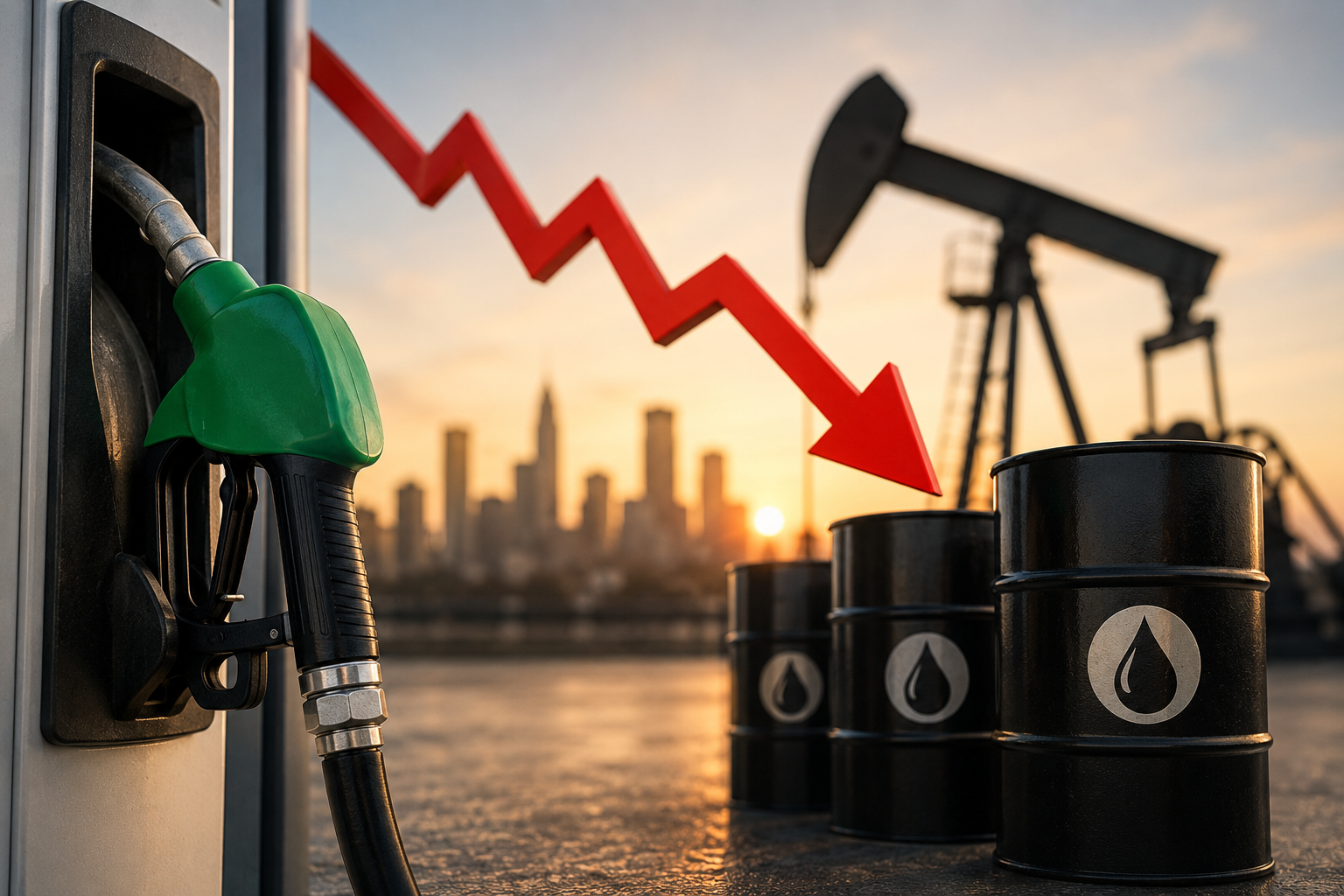
That question has resurfaced after global crude prices retreated sharply from their recent peaks. Brent crude, which had surged amid geopolitical tensions in West Asia, has now fallen back to around $70 per barrel, close to levels seen before the conflict escalated. Yet, despite this decline, there has been no immediate relief for Indian consumers.
The explanation lies not merely in international markets but in the complex political economy of fuel pricing in India.
For many Indians, there remains an assumption that domestic fuel prices move in direct proportion to global crude prices. While this relationship existed more visibly in the past, the reality today is considerably more complicated. India imports nearly 90 per cent of its crude oil requirements, but a combination of international markets, government taxation, oil company finances and broader economic considerations shapes retail fuel prices.
The first reason consumers may have to wait is that Indian oil marketing companies are still processing crude oil purchased at much higher prices during the recent geopolitical crisis. Union Petroleum Minister Hardeep Singh Puri has indicated that the petrol and diesel currently being sold were refined from expensive crude bought during the peak of the conflict, making immediate price reductions financially difficult.
The scale of these losses is significant. According to the government, state-owned oil marketing companies incurred losses of nearly ₹75,000 crore during the April-June quarter as they absorbed part of the increase in global oil prices rather than passing on the full burden to consumers.
This reflects a familiar feature of India’s fuel pricing system. Although petrol and diesel prices were officially deregulated years ago, governments of all political parties have often preferred to smooth price volatility rather than allow consumers to experience sharp increases or decreases immediately. During periods of high crude prices, oil companies absorb part of the shock; during periods of lower prices, they are often allowed time to recover their losses.
There is also a broader fiscal reality that cannot be ignored. Fuel taxes remain one of the most important sources of government revenue. Any significant reduction in fuel prices, particularly through tax cuts, carries implications for fiscal management, public expenditure and inflation control. In an economy as large and complex as India, fuel pricing is never merely an economic decision; it is also a political one.
This does not mean relief is impossible. In fact, the government has indicated that if global crude prices remain stable for several weeks, a reduction in retail fuel prices could become a legitimate consideration. The emphasis, however, remains on stability rather than temporary fluctuations.
Interestingly, private players have already begun responding to lower international prices. Nayara Energy recently reduced petrol prices by ₹5 per litre and diesel prices by ₹3 per litre at its outlets, becoming the first major fuel retailer in more than two years to announce a substantial reduction. The state-owned oil companies, however, which account for the overwhelming majority of India’s fuel retail market, have yet to follow.
The larger question, therefore, is not whether petrol and diesel prices in India will fall. It is when policymakers and oil companies will conclude that global crude prices have stabilised sufficiently to justify passing the benefits to consumers.
For now, the government appears to be adopting a cautious approach. After navigating one of the most volatile periods in global energy markets in recent years, policymakers seem reluctant to announce immediate price cuts that could later prove unsustainable.
For Indian consumers, that means one thing: cheaper crude oil has improved the prospects of lower fuel prices, but relief at the petrol pump may still be weeks, if not months, away.

Curated news reports, in-depth analysis, and special features by India’s Opinion editorial team.