
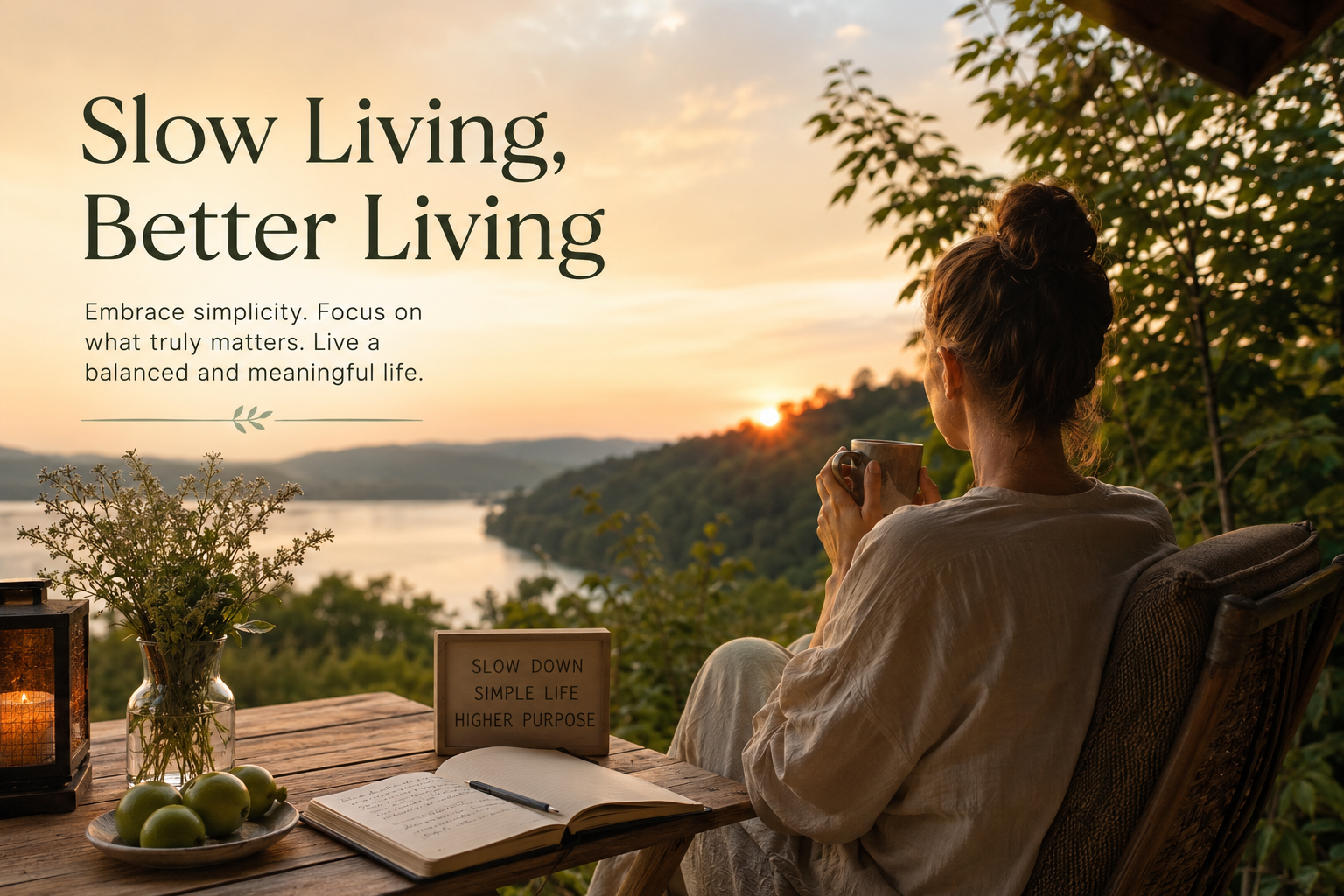
For decades, success was often measured by long working hours, packed schedules, expensive possessions, and the constant pursuit of career growth. The idea of staying busy became a symbol of ambition, while taking breaks was sometimes seen as a sign of laziness. However, a significant lifestyle shift is now taking place across many parts of the world. More people, especially younger generations, are moving away from the pressure of “hustle culture” and embracing a more balanced way of life known as slow living.
Slow living is not about doing everything slowly or avoiding hard work. Instead, it is a philosophy that encourages people to become more intentional with their time, energy, and daily choices. It promotes the idea that a meaningful life is built through balance, good health, strong relationships, and personal happiness rather than endless work and material success.
The movement has gained momentum as people have become increasingly aware of the effects of chronic stress and burnout. Many professionals who once spent long hours in offices are now questioning whether sacrificing their physical and mental health is truly worth career advancement. Flexible work arrangements, hybrid offices, and remote jobs have provided opportunities for millions to rethink how they organize their lives. Instead of spending hours commuting every day, many now use that extra time for exercise, reading, family activities, or learning new skills.
Mental health has become one of the strongest driving forces behind this lifestyle transformation. Health experts have repeatedly highlighted the importance of reducing stress, maintaining healthy sleep patterns, and creating boundaries between work and personal life. Constant notifications, endless meetings, and digital distractions have made many people realize that being constantly connected does not necessarily lead to greater productivity. As a result, mindfulness practices such as meditation, journaling, yoga, and spending time in nature have become increasingly popular among individuals seeking a healthier lifestyle.
Nutrition has also become a major focus of the slow living movement. Instead of relying on fast food and highly processed meals, more people are choosing to cook fresh food at home using natural ingredients. Home gardening, organic vegetables, seasonal fruits, and balanced diets are becoming part of everyday routines. Nutritionists believe these habits not only improve physical health but also strengthen emotional well-being by encouraging mindful eating and healthier relationships with food.
Technology, despite often contributing to stress, is also helping spread awareness of slow living. Social media platforms are filled with creators who share peaceful morning routines, minimalist homes, sustainable fashion, healthy recipes, book recommendations, and productivity tips that emphasize quality over quantity. Rather than promoting luxury lifestyles alone, many influencers are encouraging audiences to appreciate simple pleasures such as watching sunsets, taking evening walks, enjoying homemade coffee, or spending uninterrupted time with loved ones.
Environmental awareness has become another important aspect of the movement. Consumers are increasingly supporting sustainable brands, reducing unnecessary shopping, repairing old products instead of replacing them, and choosing reusable alternatives over single-use plastics. Many families are becoming more conscious of their carbon footprint by conserving electricity, reducing food waste, and supporting local businesses. These small lifestyle changes collectively contribute to a more sustainable future while encouraging responsible consumption.
Employers are also recognizing that employee well-being directly affects workplace performance. Across many industries, organizations are introducing wellness initiatives such as flexible working hours, mental health counseling, fitness memberships, paid wellness leave, and employee assistance programs. Research has shown that workers who maintain a healthy work-life balance often demonstrate higher productivity, greater creativity, stronger teamwork, and lower levels of absenteeism.
Financial habits are evolving alongside this lifestyle trend. Instead of spending heavily on luxury goods or status symbols, many individuals are focusing on long-term financial stability through budgeting, investing, and building emergency savings. Financial experts note that mindful spending can reduce anxiety and provide greater freedom to pursue personal goals without constant financial pressure.
The education sector is also adapting to these changing values. Schools and universities are increasingly discussing emotional intelligence, stress management, digital wellness, and life skills alongside traditional academic subjects. Students are being encouraged to develop healthier study habits while maintaining time for recreation, sports, and creative activities. Educators believe that balanced development can prepare young people not only for successful careers but also for healthier and happier lives.
Travel trends have also changed significantly. Instead of rushing through multiple destinations in a short period, many travelers are choosing slower, more meaningful experiences. They spend more time exploring local culture, supporting small businesses, tasting regional cuisine, and connecting with communities. This approach not only creates richer travel experiences but also benefits local economies and promotes sustainable tourism.
Experts emphasize that slow living should not be confused with a lack of ambition. Successful professionals, entrepreneurs, artists, and athletes continue to work hard while placing greater importance on rest, recovery, and personal well-being. The philosophy encourages people to work with purpose rather than simply working longer hours. Many believe that maintaining physical health, emotional balance, and meaningful relationships ultimately leads to greater long-term success than constantly chasing productivity.
As societies continue to adapt to changing work environments, technological advancements, and growing awareness of mental health, slow living is expected to remain one of the defining lifestyle trends of the modern era. More people are realizing that true success cannot be measured solely by income or job titles, but also by the quality of their health, relationships, peace of mind, and overall happiness. In a world that often moves at an overwhelming pace, the slow living movement serves as a reminder that sometimes slowing down is the most powerful way to move forward.

Curated news reports, in-depth analysis, and special features by India’s Opinion editorial team.